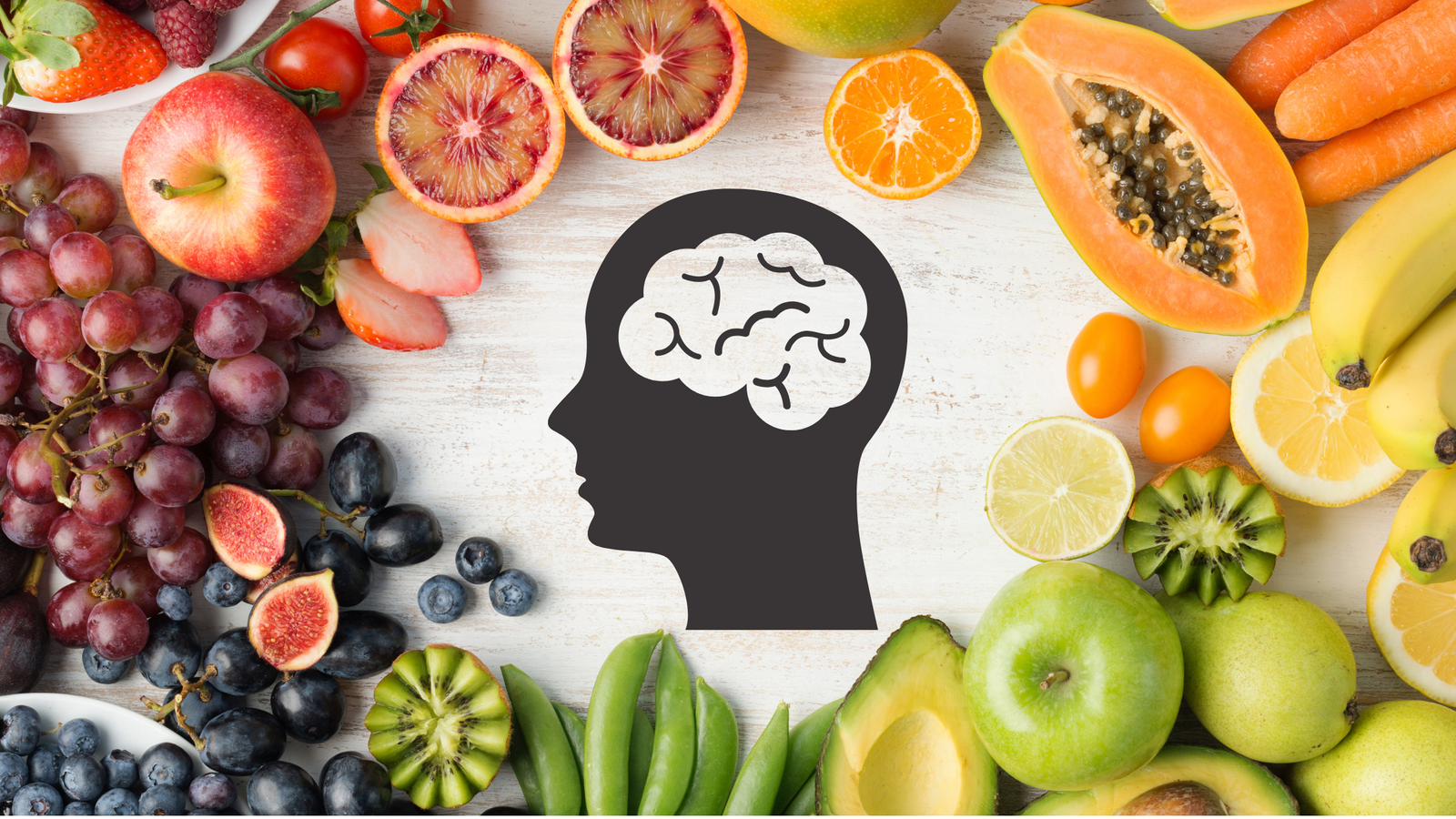
Sleep is often what comes to mind when people think of brain and mood health—but the foods we eat matter just as much. A growing body of research shows that a well-planned diet for mental health can support mood, reduce anxiety and depression risk, and improve cognitive resilience. In this article we’ll explore what the science says, how a mood-boosting diet plan works, and how you can build one in your everyday life.
Balanced Diet for Hormonal Balance
Why a diet for mental health matters
The science behind food and mood
Nutrition and mental health are not separate realms. Research increasingly shows the link between what we eat and how we feel. For example, a review found “accumulating evidence from observational and intervention studies in nutritional psychiatry regarding the importance of diet for mental health outcomes across the lifespan.” Another large-scale population study identified positive associations between a healthy diet (rich in vegetables, fruits, fish, fibre) and better mental health and sleep outcomes. PubMed
In short: adopting a diet for mental health isn’t about gimmicks or single “superfoods.” It’s about overall patterns of eating that promote brain health, mood regulation, and resilience.
How diet influences mood and mental health
There are multiple mechanisms by which eating well affects mood:
- Nutrient supply for brain chemistry: Neurotransmitters like serotonin and dopamine require vitamins, minerals, amino acids and healthy fats to function properly. For example, omega-3 fatty acids, B-vitamins, magnesium and zinc have been implicated in mood regulation.
- Gut-brain axis & microbiome: The health of our gut (microbiota, fibre intake, fermented foods) can influence brain health via immune, hormonal and neural pathways. Poor diet can disrupt gut flora, raise inflammation and affect mood.
- Inflammation, oxidative stress and brain health: Diets high in processed foods, sugars and unhealthy fats can promote low-grade inflammation and oxidative stress—two processes linked to depression and anxiety. Conversely, nutrient-dense diets help reduce these burdens.
- Stable energy and mood regulation: Foods that provide steady energy (complex carbs, fibre, lean proteins) avoid the blood-sugar spikes and crashes that can prompt irritability, mood swings and fatigue.
- Lifestyle synergy: A diet for mental health often goes hand in hand with better overall lifestyle habits—more sleep, movement, stress-management and social connection—which further strengthen mood outcomes.
Why the default “Western diet” works against mood
When the diet is dominated by ultra‐processed foods, sugary snacks, refined grains and low nutrient density, the brain is deprived and vulnerable. Research shows that ultra‐processed food intake is associated with higher risks of depression. In one review, the authors concluded: “A diet consisting of nutrient-dense foods… is advantageous to mental health. Conversely, processed foods, trans fats and high-sugar diets have been shown to have worse effects on people with mental-health disorders.” ecohumanism.co.uk
Thus, one of the core principles of a diet for mental health is reducing the harmful patterns and increasing the protective ones.
Core principles of a “Mood-Boosting Diet for Mental Health”
Here are the foundational guidelines you’ll want to adopt if your goal is eating with your mental health in mind.
1. Emphasise whole, minimally-processed foods
Prioritise:
- Fresh vegetables and fruits (especially leafy greens, colourful veggies, berries)
- Whole grains (brown rice, oats, quinoa, whole wheat)
- Legumes, beans, lentils
- Nuts and seeds (walnuts, almonds, chia, flaxseed)
- Lean proteins including fish (especially oily fish), poultry, tofu/tempeh
- Healthy fats such as olive oil, avocados
- Fermented foods (yogurt, kefir, sauerkraut, kimchi)
For example: one overview of diet and mental health found a “significant association between food quality and mental health. Several studies indicated that a diet rich in fruits, vegetables, whole grains and lean proteins was positively correlated with better mental health outcomes.”
2. Focus on key nutrients that support mood
Certain nutrients stand out when designing a diet for mental health:
- Omega-3 fatty acids: Found in oily fish (salmon, mackerel, sardines), flax/chia/walnuts. These fats support brain structure and anti-inflammatory pathways. Trust Mental Health
- B-vitamins & folate: Especially folate, B6, B12—important for neurotransmitter synthesis. Green leafy vegetables, legumes and whole grains help supply these.
- Magnesium & zinc: Important for mood regulation and nervous system health. Nuts, seeds, legumes and whole grains are good sources.
- Antioxidants & phytonutrients: Colourful fruits/vegetables provide compounds that protect the brain from oxidative stress. One article noted that “eating more berries, citrus fruits and green leafy vegetables … promote higher levels of optimism and self-efficacy.” National Geographic
- Fibre & gut health: High-fibre foods feed the gut microbiome; a healthier gut appears linked with better mental health.
3. Reduce harmful foods that undermine mood
A true diet for mental health isn’t only about what you include, but what you limit:
- Ultra-processed foods (ready meals, sugary snacks, fast food)
- Refined carbohydrates and sugary drinks
- High levels of saturated and trans fats
- Excessive alcohol and caffeine (which can impact mood, sleep and energy)
As one review put it: “Ultra-processed foods are often high in calories but low in fibre and important micronutrients that support gut and brain health.”
4. Eat in patterns that support mood stability
How you eat matters too—not just what you eat. Here are patterns to consider:
- Eat regular meals and snacks to avoid energy dips and mood swings.
- Prioritise a good breakfast with protein + fibre to start the day stable.
- Include vegetables/fruit at every main meal.
- Make fish (or equivalent omega-3 source) a couple of times per week.
- Include a fermented food or probiotic source daily/regularly.
- Use herbs/spices (e.g., turmeric, cinnamon) to add flavour and additional brain-supportive compounds. For example, research has pointed to turmeric’s anti-inflammatory effect on mood.
5. Consider the lifestyle context
A diet for mental health should also support—rather than interfere with—other mood-supporting habits:
- Ensure good sleep hygiene (poor sleep can undo diet gains)
- Move your body regularly (exercise potentiates the benefits of good diet)
- Manage stress and build social connection (food works best within a healthy lifestyle)
- Stay hydrated (even mild dehydration can worsen mood)
- Practice mindful eating (slowing down and enjoying food supports digestion, gut health and satisfaction)
Putting it into practice: A sample 7-day mood-boosting diet plan
Below is a sample framework of how you might structure a diet for mental health. It’s flexible and meant to illustrate food patterns rather than rigid menus.
Day 1 – Monday
Breakfast: Oat porridge with chia seeds, walnuts, blueberries and a drizzle of honey
Snack: Greek yogurt with sliced kiwi and a sprinkle of flaxseed
Lunch: Mixed salad (spinach, arugula, cherry tomatoes, bell pepper) with grilled salmon, olive-oil & lemon dressing, quinoa
Snack: Carrot sticks + hummus
Dinner: Lentil and vegetable curry (spinach, broccoli, red lentil) with brown rice; side of fermented sauerkraut
Evening: Herbal tea, small piece of dark chocolate (70%+ cacao)
Day 2 – Tuesday
Breakfast: Whole-grain toast with avocado, a poached egg, spinach
Snack: A handful of raw almonds + an orange
Lunch: Chickpea salad with cucumber, red onion, parsley, olive oil; whole-grain pita on side
Snack: Kefir smoothie with banana and spinach
Dinner: Grilled mackerel with roasted sweet potato and steamed broccoli; side of kimchi
Evening: Light stretching and calm reading
Day 3 – Wednesday
Breakfast: Smoothie bowl: spinach, frozen berries, flaxseed, plant-based milk, topped with pumpkin seeds
Snack: Apple + a small piece of cheese (or nut butter)
Lunch: Turkey (or tofu) wrap in whole-grain tortilla with mixed peppers, lettuce and tahini dressing
Snack: Mixed seeds (sunflower, pumpkin) + a few dried cherries
Dinner: Veggie stir-fry with tofu, broccoli, bell peppers, mushrooms, brown rice; use garlic, ginger, turmeric for flavour
Evening: 10-minute mindfulness or meditation
Day 4 – Thursday
Breakfast: Greek yogurt with mixed berries, slivered almonds, cinnamon
Snack: Sliced cucumber + guacamole
Lunch: Wild rice salad with roasted beets, kale, walnuts, feta (or vegan alternative), apple cider vinaigrette
Snack: Edamame pods + green tea
Dinner: Baked cod with olive oil & herbs, side of quinoa and steamed asparagus; small side of fermented tempeh
Evening: Journal about the day’s good things (positivity enhances mood)
Day 5 – Friday
Breakfast: Whole-grain porridge with flaxseed, banana slices, pumpkin seeds
Snack: Pear + handful of walnuts
Lunch: Mediterranean platter: hummus, baba ghanoush, olives, raw veg sticks, chickpeas, whole-grain pita
Snack: Kefir or yogurt + small handful of berries
Dinner: Grilled chicken (or chickpea/paneer) with spinach salad, sweet potato fries (olive-oil roasted)
Evening: Dark chocolate square + herbal tea
Day 6 – Saturday
Breakfast: Veggie omelette (spinach, mushrooms, tomatoes) + sprouted whole-grain toast
Snack: Mixed nuts + dried apricots
Lunch: Salmon poke bowl with brown rice, edamame, seaweed, avocado, sesame oil
Snack: Kefir smoothie with mango and chia seeds
Dinner: Lentil bolognese (whole-grain pasta) with kale side salad
Evening: Social connection — share a meal with friends/family (food + connection support mood)
Day 7 – Sunday
Breakfast: Pancakes made with oat flour, flaxseed meal, topped with fresh berries and a dollop of yogurt
Snack: Banana + a teaspoon of almond butter
Lunch: Quinoa tabbouleh with parsley, mint, tomato, cucumber, olive oil; grilled sardines
Snack: Carrot sticks + guacamole
Dinner: Roasted vegetable platter (sweet potato, zucchini, bell pepper, red onion) with chickpeas and tahini drizzle; mixed greens salad
Evening: Wind down with herbal tea and reflection (gratitude journaling)
Notes and variations:
- Fish can be substituted with plant-based omega-3 sources (chia, flax, walnuts) if vegetarian/vegan.
- Snacks are optional; adjust portions according to hunger and needs.
- Stay hydrated throughout; aim for 2–3 litres/day (depending on climate and activity).
- Pay attention to your body’s cues: adjust as needed for allergies, intolerances or personal preferences.
Special considerations & tailoring your diet for mental health
For stress, anxiety and depressive symptoms
If you’re dealing with heightened stress or mild-moderate anxiety/depression, a more targeted approach to a diet for mental health can help:
- Emphasise oily fish (omega-3s) two-three times weekly.
- Increase intake of fermented/probiotic-rich foods for gut-brain support.
- Lower sugar and refined carb intake to reduce mood swings and inflammation.
- Incorporate magnesium-rich foods (e.g., leafy greens, legumes, nuts) which may help calm the nervous system.
- Try adding deeply coloured vegetables/berries; one study found people with higher intake of these had lower psychological distress. National Geographic
For cognitive health and ageing
If cognitive function or brain-ageing is your concern, adopting a diet for mental health with a Mediterranean or MIND dietary pattern is strongly supported. For example, the Mediterranean diet—rich in vegetables, fish, whole grains and olive oil—has been shown to support mood and reduce risk of cognitive decline.
For individuals with eating disorders or psychiatric illness
Be cautious with rigid diet rules: for someone with a history of eating disorders or major psychiatric illness, focusing on “perfect” diet may backfire. Rather, work with professionals (dietitians, psychiatrists) to incorporate nutrition as part of a broader mental-health treatment plan. Research indicates psychiatric inpatients often have poor diet quality, which correlates with outcomes.
Cultural, socioeconomic and practicality factors
Dietary change must be realistic. A diet for mental health must consider:
- Cultural food traditions and preferences
- Budget, access, cooking skills
- Time constraints and lifestyle realities
The best diet is one you can sustain long-term. Studies repeatedly note that diet quality is advanced when behaviours are manageable.
Barriers & how to overcome them
Changing diet for mood support sounds promising—but there are real obstacles. Here’s how to handle them:
Barrier: Time & cooking fatigue
Solution: Batch cook vegetables/grains on weekends; use pre-washed greens; keep frozen berries/veg; make smoothies. Use simple seasoning (herbs/spices) to avoid blandness.
Barrier: Limited budget
Solution: Legumes and pulses (beans, lentils) are cost-effective protein/micronutrient sources. Frozen vegetables and fruits often cost less and retain nutrients. Nuts/seeds can be expensive—buy in bulk.
Barrier: Cravings and comfort foods
Solution: Don’t suppress all treats. Instead, swap refined high-sugar snacks for dark chocolate, or have homemade popcorn. Build in “flexible treats” so you don’t feel deprived. Recognise that cravings may signal underlying stress, hunger or lack of sleep.
Barrier: Mental health symptoms (low energy, motivation)
Solution: When mood is low, preparing gourmet meals may feel impossible. Use simple go-to meals you can assemble quickly—e.g., canned salmon + salad + avocado, or omelette + greens. Work with a dietitian for tailored support.
Barrier: Mixed messages / fad diets
Solution: Stick to evidence-based patterns rather than extreme one-food fixes. Research emphasises overall dietary pattern rather than single magic foods.
Tracking progress and maintaining momentum
To turn your meal plan into sustained habit, consider the following:
Keep a food & mood journal
Track what you eat, how you feel (mood rating), sleep quality, energy levels. After a week or two, you may notice patterns: e.g., more vegetables = better mood; processed snack evening = sluggish morning.
Set achievable small goals
Rather than overhaul your entire diet overnight, try:
- Add one extra serving of vegetables each meal this week
- Replace one ultra-processed snack with a handful of nuts/seeds
- Have fish or omega-3 source two times this week
Gradually build.
Celebrate non-food wins
Improved mood, better sleep, fewer mood swings—these are wins too. Recognising progress reinforces motivation.
Make it social
Cooking with a friend/family member, sharing meals, or even posting about your food journey can boost accountability and enjoyment.
Revisit and adjust
What worked last month may need tweaking now (seasonality, budget, tastes). Maintain flexibility.
Why this approach works (and what to keep in mind)
Adopting a diet for mental health is a powerful complement to other brain-health strategies—exercise, sleep, stress-management and social connection. Here’s what makes it work and what to remember:
Why it works
- By nourishing the brain, gut and body with high-quality nutrients, you strengthen the physical substrate of mood regulation.
- By reducing inflammation, oxidative stress and gut-dysbiosis, you remove hidden burdens that weigh down mental health.
- By creating stable energy and reducing dietary “ups & downs,” you support smoother mood and cognition.
- By embedding sustainable food patterns, you build habits that reinforce each other (e.g., cooking meals → better sleep → better energy → better mood).
What to keep in mind
- A diet is not a replacement for therapy or medication when these are needed. The nutritional psychiatry literature emphasises “additional treatment” rather than sole treatment.
- Human mood is complex and influenced by genes, environment, sleep, social factors and more. Food is one lever among many.
- Results may not be immediate. Sustained pattern matters more than perfection.
- Monitor for intolerances or individual differences (e.g., allergies, sensitivities, metabolic conditions) and tailor accordingly.
- Consult a registered dietitian or mental-health professional if you have a diagnosed mood disorder, chronic illness or are on medication.
FAQs About the Diet for Mental Health
1. What is the best diet for mental health?
The best diet for mental health focuses on whole, nutrient-dense foods that nourish the brain and body. Diets such as the Mediterranean and MIND diet—rich in fruits, vegetables, fish, whole grains, nuts, seeds, and olive oil—have been consistently linked to lower rates of depression and anxiety. They help maintain brain structure, reduce inflammation, and stabilize mood through steady energy levels.
2. Can changing my diet really improve my mood?
Yes. Studies in nutritional psychiatry show that improving diet quality can significantly impact mood and mental well-being. When you replace ultra-processed foods with nutrient-dense options, the brain receives better fuel for neurotransmitter production and inflammation control—both of which affect mood regulation.
3. What foods should I avoid for better mental health?
Avoid or limit ultra-processed foods, sugary snacks, soft drinks, refined carbohydrates, and trans fats. These foods promote inflammation, oxidative stress, and blood-sugar fluctuations that can worsen mood and mental clarity. Reducing alcohol and caffeine can also improve sleep and emotional balance.
4. Are supplements necessary for mental health?
Supplements can be helpful if you’re deficient in certain nutrients (like vitamin D, omega-3 fatty acids, or B-vitamins). However, a balanced diet for mental health should provide most nutrients naturally. Always consult a doctor or dietitian before starting any supplement regimen.
5. How long does it take to feel the effects of a mental health diet?
Most people begin to notice subtle improvements in mood, energy, and focus within 2–4 weeks of consistent dietary changes. However, long-term benefits—such as reduced risk of depression or anxiety—come from sustained habits rather than short-term changes.
6. Can a diet for mental health help with anxiety and depression?
Yes. A diet for mental health can reduce the severity of symptoms by lowering inflammation, balancing neurotransmitters, and stabilizing blood sugar. While it may not replace medication or therapy, it works effectively as a complementary treatment for anxiety and depression.
7. How does gut health affect mental health?
The gut and brain communicate through the gut-brain axis. A balanced gut microbiome, supported by fibre-rich and fermented foods, promotes the release of mood-enhancing chemicals like serotonin. Poor gut health can contribute to inflammation and mood imbalances.
8. Is coffee bad for mental health?
Moderate coffee intake can enhance alertness and focus. However, excessive caffeine can trigger anxiety, restlessness, and poor sleep—especially in sensitive individuals. Try limiting intake to 1–2 cups daily and avoid coffee late in the day.
9. Can vegetarians or vegans follow a diet for mental health?
Absolutely. Plant-based diets can support mental health when well-planned. Vegans and vegetarians should ensure adequate intake of omega-3s (from flaxseed, chia, walnuts, algae oil) and B12 (via supplements or fortified foods) to maintain brain and mood function.
10. How can I stay consistent with a mood-boosting diet?
Plan meals ahead, keep healthy snacks handy, and make gradual changes instead of overnight overhauls. Consistency improves when food choices are enjoyable, realistic, and suited to your culture and lifestyle.
Conclusion: Nourishing the Mind Through Food
Your brain thrives on what you feed it—physically and emotionally. A thoughtfully designed diet for mental health bridges the gap between nutrition and mood, empowering you to take charge of your mental well-being through everyday food choices.
By focusing on whole, nutrient-rich foods, maintaining gut health, and reducing processed foods, you provide your mind with the foundation it needs to stay resilient, focused, and balanced. While diet alone isn’t a cure for mental illness, it’s one of the most powerful, science-backed ways to support long-term emotional health and enhance daily happiness.
Food can’t solve every problem, but it can help you think clearer, feel lighter, and live better—one mindful bite at a time.