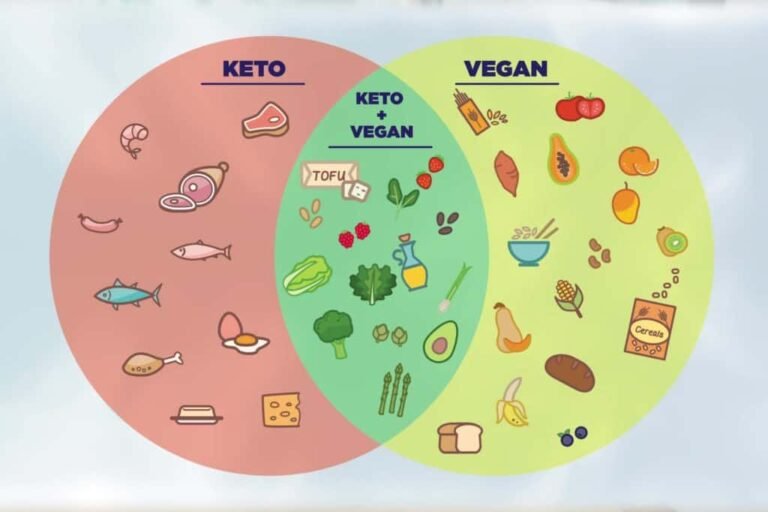

Low-carb diets have gained immense popularity for their potential to aid in weight loss, improve blood sugar control, and enhance overall health. However, many beginners fall into common pitfalls that can derail their progress. Understanding these diet mistakes is crucial for anyone starting a low-carb journey. In this comprehensive guide, we explore the top 10 low-carb diet mistakes beginners make, offering practical advice to help you avoid them and achieve sustainable results.
Whether you’re adopting a ketogenic, Atkins, or general low-carb approach, recognizing these diet mistakes early can make all the difference. From overlooking hidden carbs to neglecting nutrient balance, these errors often stem from misinformation or overenthusiasm. By addressing these diet mistakes head-on, you can optimize your low-carb diet for long-term success.
Common Vegan Diet Mistakes to Avoid
What Is a Low-Carb Diet and Why Do Beginners Make Diet Mistakes?
A low-carb diet typically involves reducing carbohydrate intake to under 100-150 grams per day, focusing instead on proteins, healthy fats, and vegetables. This shift encourages the body to burn fat for fuel, leading to benefits like reduced hunger and better metabolic health. However, beginners often encounter diet mistakes because they underestimate the diet’s complexity.
One of the primary reasons for these diet mistakes is the abundance of conflicting online advice. Without a solid foundation, newcomers might eliminate carbs too drastically or ignore essential nutrients, leading to fatigue or unsustainable habits. Avoiding these diet mistakes requires education and gradual implementation.
Mayo Clinic: Low-Carb Diet Overview
Diet Mistake 1: Not Tracking Carbs Accurately
One of the most frequent diet mistakes beginners make on a low-carb plan is failing to track carbohydrates properly. Many assume that avoiding obvious sources like bread and pasta is enough, but hidden carbs in sauces, vegetables, and processed foods can add up quickly.
For instance, a single serving of salad dressing might contain 10 grams of carbs from added sugars. This diet mistake can prevent ketosis—the metabolic state where your body burns fat efficiently. To avoid this, use apps like MyFitnessPal to log every meal. Start by aiming for 20-50 grams of net carbs daily, subtracting fiber from total carbs.
Research shows that accurate tracking can double weight loss success rates in low-carb diets. By being vigilant, you sidestep this common diet mistake and maintain steady progress.
Diet Mistake 2: Eliminating All Carbs Without Transitioning Gradually
Abruptly cutting out all carbs is another major diet mistake for low-carb beginners. This “cold turkey” approach often leads to the infamous “keto flu,” characterized by headaches, irritability, and low energy due to electrolyte imbalances.
Why is this a diet mistake? Your body needs time to adapt from relying on glucose to ketones. Instead, reduce carbs over a week: start at 100 grams and taper down. Incorporate bone broth or electrolyte supplements to mitigate symptoms.
Gradual transitions help build sustainable habits, reducing the likelihood of quitting early. Avoiding this diet mistake ensures a smoother entry into low-carb living.
Diet Mistake 3: Ignoring Hidden Sugars in “Healthy” Foods
Many beginners overlook hidden sugars, making it a sneaky diet mistake in low-carb dieting. Foods labeled as “natural” or “low-fat,” like yogurt or fruit smoothies, can be loaded with added sugars that spike insulin levels.
This diet mistake disrupts fat-burning processes. For example, a seemingly innocent granola bar might have 20 grams of sugar. Always read labels and opt for unsweetened versions. Focus on whole foods like avocados and nuts to steer clear of this trap.
By scrutinizing ingredients, you can prevent this diet mistake and keep your carb intake in check.
Diet Mistake 4: Neglecting Fiber Intake
A common diet mistake among low-carb starters is skimping on fiber, leading to digestive issues like constipation. Low-carb diets often reduce high-fiber grains, but forgetting to replace them with veggies is problematic.
Fiber aids gut health and satiety, so this diet mistake can cause discomfort and overeating. Aim for 25-30 grams daily from sources like broccoli, chia seeds, and psyllium husk. Supplements can help if needed.
Addressing this diet mistake promotes better digestion and overall well-being on a low-carb regimen.
Diet Mistake 5: Over-Relying on Processed Low-Carb Products
Relying too heavily on packaged “low-carb” snacks is a diet mistake that beginners often make. These products, like bars and chips, may be low in net carbs but high in artificial ingredients and unhealthy fats.
This diet mistake can hinder weight loss due to hidden calories. Instead, prepare homemade alternatives, such as cheese crisps or veggie sticks with dip. Whole-food focus ensures nutrient density.
By avoiding processed items, you eliminate this diet mistake and enhance diet quality.
Diet Doctor: Common Low-Carb Mistakes
Diet Mistake 6: Not Balancing Macronutrients Properly
Imbalanced macros—too much protein or fat—is a subtle diet mistake in low-carb plans. Excess protein can convert to glucose via gluconeogenesis, stalling ketosis.
Beginners make this diet mistake by fearing fats. Aim for 70-80% fat, 15-20% protein, and 5-10% carbs. Use tools like macro calculators to fine-tune.
Correcting this diet mistake optimizes energy levels and fat adaptation.
Diet Mistake 7: Skipping Meals or Undereating
Undereating to accelerate weight loss is a dangerous diet mistake for low-carb beginners. It can slow metabolism and lead to nutrient deficiencies.
This diet mistake often results from reduced appetite on low-carb diets. Eat regular, nutrient-rich meals to maintain energy. Include fatty fish and eggs for satiety.
Avoiding this diet mistake supports hormonal balance and prevents burnout.
Diet Mistake 8: Forgetting About Electrolytes
Electrolyte depletion is a overlooked diet mistake, causing cramps and fatigue. Low-carb diets increase water loss, flushing sodium, potassium, and magnesium.
To counter this diet mistake, salt your food liberally and eat potassium-rich foods like spinach. Supplements may be necessary initially.
Proper electrolyte management eliminates this diet mistake and boosts performance.
Diet Mistake 9: Not Incorporating Exercise Wisely
Jumping into intense workouts without adaptation is a diet mistake that drains energy. Beginners should start with low-intensity activities like walking.
This diet mistake ignores the body’s adjustment period. Gradually add strength training to preserve muscle.
Smart exercise integration avoids this diet mistake and enhances results.
Diet Mistake 10: Lacking Long-Term Planning
Finally, not planning for sustainability is a critical diet mistake. Many beginners view low-carb as a quick fix, leading to rebound weight gain.
This diet mistake stems from short-term thinking. Develop meal prep routines and track progress weekly.
Long-term strategies prevent this diet mistake and foster lifelong health.
How to Avoid These Diet Mistakes for Low-Carb Success
To sidestep these diet mistakes, educate yourself through reliable sources. Consult a nutritionist if needed, and monitor your body’s signals. Consistency over perfection is key.
Conclusion
In summary, the top 10 low-carb diet mistakes beginners make can be avoided with awareness and preparation. By tracking carbs, transitioning gradually, and balancing nutrients, you’ll harness the full benefits of a low-carb lifestyle. Remember, these diet mistakes are common but correctable—focus on sustainable habits for lasting health improvements.
FAQs
What are the most common low-carb diet mistakes for beginners?
The most common diet mistakes include not tracking carbs accurately, eliminating carbs too quickly, and ignoring hidden sugars in foods.
How can I avoid diet mistakes like the keto flu on a low-carb diet?
To avoid this diet mistake, transition gradually and supplement with electrolytes to ease symptoms.
Why is over-relying on processed foods a diet mistake in low-carb diets?
Processed low-carb products often contain unhealthy additives, making this a diet mistake that can sabotage your goals—opt for whole foods instead.
What role does fiber play in preventing diet mistakes on low-carb plans?
Adequate fiber prevents digestive issues, a frequent diet mistake, by promoting gut health and fullness.
How do I balance macros to avoid diet mistakes in low-carb eating?
Use macro calculators to ensure proper fat, protein, and carb ratios, avoiding the diet mistake of imbalance.
Is undereating a common diet mistake for low-carb beginners?
Yes, undereating is a diet mistake that can slow metabolism; focus on nutrient-dense meals for sustainability.
Why should beginners watch for electrolyte diet mistakes on low-carb diets?
Low-carb diets cause electrolyte loss, a diet mistake leading to fatigue—salt food and eat mineral-rich veggies.
How does exercise factor into low-carb diet mistakes?
Intense exercise too soon is a diet mistake; start low-intensity to allow adaptation.
What long-term planning helps avoid diet mistakes in low-carb lifestyles?
Meal prep and progress tracking prevent the diet mistake of unsustainability.
Where can I learn more about avoiding low-carb diet mistakes?
Consult resources like medical websites or books on ketogenic diets to steer clear of these diet mistakes.