In today’s fast-paced environment of 2026, chronic stress and anxiety affect millions, driven by constant connectivity, work demands, and global uncertainties. Implementing quick daily habits to reduce anxiety can provide effective, evidence-based relief without requiring major life overhauls. These anxiety relief tips focus on small, consistent actions that calm the nervous system, lower cortisol levels, and promote emotional resilience.
Research from sources like the National Institutes of Health and recent studies highlights that regular practice of mindfulness, movement, and breathing techniques can significantly decrease anxiety symptoms. By incorporating these anxiety relief tips into your routine, you build long-term coping mechanisms for a high-stress world.
Smart Snack Ideas That Actually Keep You Full
Why Quick Daily Habits Are Effective Anxiety Relief Tips
Quick daily habits work because they target the physiological and psychological roots of anxiety. Chronic stress activates the fight-or-flight response, leading to elevated heart rate, racing thoughts, and tension. Simple habits like deep breathing or short walks activate the parasympathetic nervous system, promoting relaxation.
Consistency is key—evidence shows that even 5-10 minutes daily can rewire neural pathways over time, reducing baseline anxiety. These are accessible, cost-free, and adaptable to busy schedules.
Anxiety Relief Tips: Start Your Day with Mindful Breathing
One of the most powerful is beginning each morning with 5-10 minutes of mindful breathing. Techniques like 4-7-8 breathing (inhale for 4 counts, hold for 7, exhale for 8) slow the heart rate and reduce immediate stress.
Practice this before checking your phone to avoid early cortisol spikes from notifications. Studies indicate daily breathwork can outperform some mindfulness practices in reducing anxiety symptoms quickly.
Anxiety Relief Tips: Incorporate Short Movement Breaks
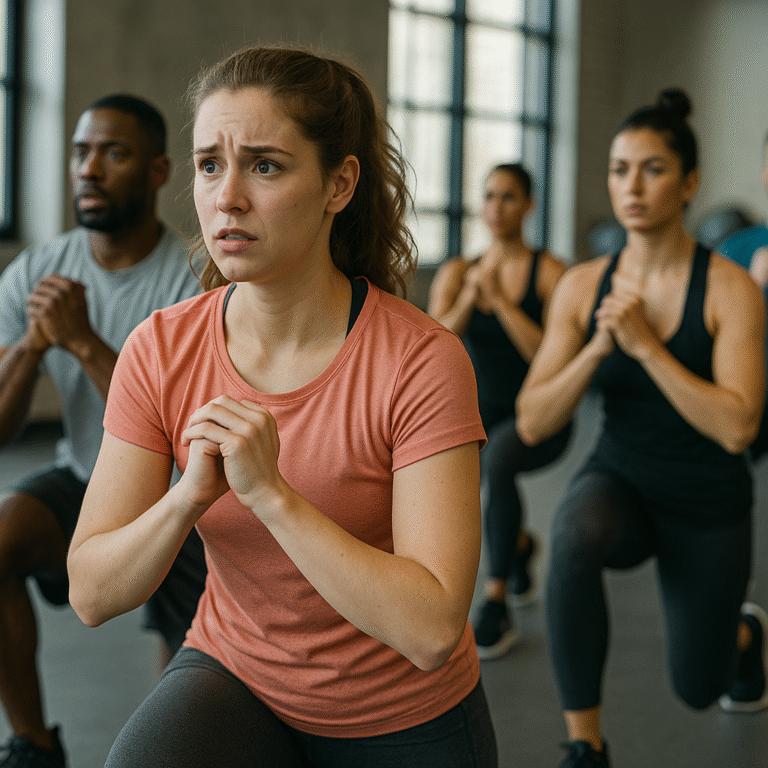
Physical activity ranks among top tips. A 10-20 minute walk or gentle stretching session releases endorphins and lowers tension. In a high-stress world, schedule movement breaks every few hours—stand, stretch, or walk around your space.
Evidence-based research confirms that even moderate daily exercise significantly decreases perceived stress and anxiety over weeks.
Anxiety Relief Tips: Practice Gratitude Journaling
Gratitude journaling is a simple yet transformative . Spend 2-5 minutes daily noting three things you’re thankful for. This shifts focus from worries to positives, improving mood and resilience.
Recent interventions show gratitude practices lead to lasting reductions in anxiety, with benefits persisting months after starting.
Anxiety Relief Tips: Limit Screen Time and Digital Overload
Reducing screen exposure is a practical in 2026’s connected world. Set boundaries like no devices for the first hour after waking or during meals. Excessive notifications fuel overstimulation and anxiety.
Cutting back improves sleep quality and mental clarity, with studies linking lower screen time to decreased stress levels.
Anxiety Relief Tips: Prioritize Consistent Sleep Hygiene
Quality sleep is foundational among these. Establish a routine: consistent bedtime, dark room, no screens an hour before bed. Poor sleep exacerbates anxiety, creating a vicious cycle.
Aim for 7-9 hours nightly—better rest enhances emotional regulation and reduces daytime worry.
Mayo Clinic – Healthy Lifestyle section
Anxiety Relief Tips: Use Progressive Muscle Relaxation
Progressive muscle relaxation (PMR) involves tensing and releasing muscle groups sequentially. This 10-minute daily practice eases physical tension tied to anxiety.
As one of the effective tip is , PMR activates relaxation responses and is particularly helpful for those with somatic symptoms.
Anxiety Relief Tips: Build Social Connection Moments
Connecting with others combats isolation-driven anxiety. Dedicate time daily for a quick call, text, or in-person chat with a supportive person. Social support buffers stress and provides perspective.
Even brief interactions release oxytocin, promoting calm in a high-stress environment.
Anxiety Relief Tips: Eat Balanced, Nutrient-Rich Meals
Nutrition influences mood—avoid skipping meals or excessive caffeine/sugar. Include omega-3s, magnesium-rich foods, and balanced macros for steady energy and brain health.
Stable blood sugar prevents mood swings, making this an underrated.
Anxiety Relief Tips: Set Boundaries and Say No
Learning to set boundaries prevents overwhelm. Practice saying no to non-essential tasks and schedule downtime. This preserves energy and reduces resentment-fueled anxiety.
In high-stress worlds, boundaries protect mental space effectively.
Anxiety Relief Tips: End the Day with Reflection
Wind down with 5 minutes of reflection—note wins, release worries, or plan tomorrow lightly. This prevents rumination and promotes closure.
Combined with other tips, evening reflection fosters better sleep and calmer mornings.
For more on evidence-based techniques, explore the American Psychological Association’s anxiety resources or Mayo Clinic’s stress management guide. Additional insights available at HelpGuide.org’s anxiety coping strategies.
How to Make These tips Sustainable
Start with 1-2 habits, track progress in a journal, and adjust as needed. Consistency over perfection yields results—pair with professional support if anxiety persists.
Conclusion
Adopting quick daily habits to reduce anxiety offers powerful, accessible tools for navigating a high-stress world in 2026. From mindful breathing and movement to gratitude and boundaries, these build resilience, lower stress hormones, and enhance well-being. Small, consistent actions compound into significant change—start today for calmer, more balanced days ahead. If symptoms remain intense, consult a healthcare professional for personalized guidance.
FAQs
What are the quickest anxiety relief tips for busy days?
Quick relief include 4-7-8 breathing, short walks, or gratitude notes—each takes under 10 minutes and provides fast calm.
How do daily habits help reduce anxiety long-term?
Consistent habits like exercise and mindfulness rewire the brain, lowering baseline anxiety and improving stress response over weeks to months.
Can sleep routines serve as effective anxiety relief tips?
Yes, prioritizing 7-9 hours with good hygiene is one of the best relief as poor sleep worsens symptoms.
Are these anxiety relief tips suitable for everyone?
Most anxiety relief tips are safe and adaptable, but consult a doctor if you have severe anxiety or medical conditions.
How soon can I expect results from these anxiety relief tips?
Many notice calmer moments within days from breathing or movement; deeper benefits emerge after 4-8 weeks of consistency.
What if anxiety relief tip aren’t enough?
If daily habits don’t suffice, seek therapy like CBT or professional evaluation—these complement anxiety relief effectively.