In our demanding modern lives, many people accumulate sleep debt during busy weekdays—often getting less than the recommended 7-9 hours due to work, stress, or screen time—then attempt to recover by sleeping in on weekends. This practice, known as weekend catch-up sleep, raises a key question: Does it truly benefit mental health, or does it disrupt rhythms and offer limited relief?
Recent 2025-2026 research provides nuanced insights. Studies using large datasets like NHANES show that moderate weekend catch-up sleep (typically 1-2 hours extra) is linked to lower depressive symptoms, reduced anxiety risk, and better mood regulation, particularly in adolescents, young adults, and certain adult subgroups. For instance, one analysis found a 41% lower odds of daily depressive symptoms in young people who caught up on sleep. Meta-analyses suggest up to a 20% reduced depression risk with catch-up sleep, and moderate amounts appear protective against mood disorders.
However, excessive catch-up (beyond 2 hours) or extreme variability can worsen outcomes, contributing to circadian misalignment, grogginess, and even heightened internalizing symptoms. Consistent sleep schedules remain ideal for mental health, as irregular patterns may counteract some benefits better sleep schedule.
This comprehensive article explores the evidence on weekend catch-up sleep and mental health, its effects on mood, anxiety, depression, and cognitive function, and practical strategies for a better sleep schedule that maximizes recovery without drawbacks.
Intermittent Fasting for Busy People: Simple Schedules That Actually Work
The Basics: What Is Weekend Catch-Up Sleep and Sleep Debt?
Weekend catch-up sleep refers to sleeping longer on non-workdays to compensate for weekday shortfalls. Sleep debt accumulates when nightly rest falls short, leading to deficits in cognitive performance, emotional regulation, and resilience.
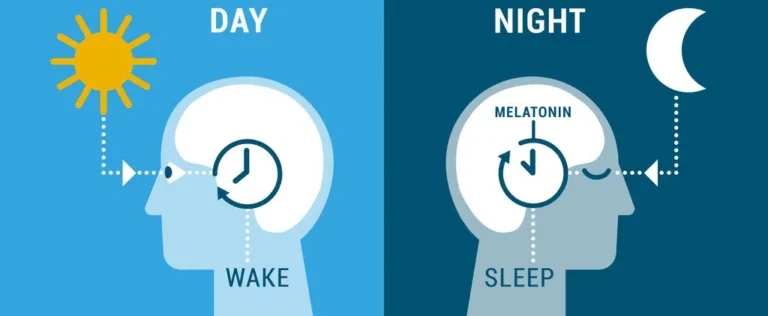
A better sleep schedule prioritizes consistency: similar bed/wake times daily (within 1 hour) to align with circadian rhythms. Catch-up attempts address homeostatic pressure (the drive to sleep after deprivation) but can misalign the internal clock if timing shifts drastically.
How Weekend Catch-Up Sleep Affects Mental Health: The Positive Evidence
Multiple studies indicate moderate catch-up sleep supports mental health. In young adults (16-24), weekend recovery reduced depressive symptom odds by 41%, offering meaningful protection where consistent sleep isn’t feasible. Meta-analyses link catch-up to 20% lower depression risk, stronger in men and middle-aged groups.
Catch-up sleep may alleviate mood dips from deprivation by restoring restorative stages (deep/REM), reducing inflammation, and balancing hormones like cortisol and serotonin. For those with weekday restrictions, it acts as a buffer against stress and emotional dysregulation.
Weekend Catch-Up Sleep and Depression: Key Findings
Cross-sectional NHANES data show 1-2 hours of catch-up tied to lower PHQ-9 scores and depression prevalence. Moderate recovery (up to 2 hours) correlates with reduced odds, while no or excessive catch-up shows neutral or higher risk.
In subgroups like middle-aged men or those with hypertension, benefits appear amplified. However, nonlinear effects emerge: beyond a threshold (~2 hours), risks rise due to misalignment.
Weekend Catch-Up Sleep, Anxiety, and Mood Regulation
Moderate catch-up links to fewer anxiety symptoms in teens, with up to 2 extra hours reducing internalizing issues. Sleep deprivation heightens emotional reactivity; recovery helps restore prefrontal control over amygdala responses, improving mood stability.
A better sleep schedule with limited variability supports this regulation more reliably, but catch-up offers short-term mood boosts for chronic short sleepers.
Potential Downsides: When Catch-Up Sleep Harms Mental Health
Excessive variability (large weekday-weekend differences) associates with circadian misalignment, grogginess (“social jetlag”), and worsened mood. Studies note that too much catch-up (>2 hours) may increase symptoms or fail to protect.
Irregular patterns disrupt melatonin/cortisol timing, potentially exacerbating anxiety or low mood over time.
Does Weekend Catch-Up Sleep Replace a Better Sleep Schedule?
Catch-up provides partial compensation but doesn’t fully repay debt—effects on cognition, metabolism, and mood linger. Experts emphasize a better sleep schedule as primary: consistent timing optimizes circadian alignment, REM/deep balance, and emotional resilience.
Catch-up suits occasional shortfalls but isn’t a substitute for nightly adequacy.
Practical Tips for a Better Sleep Schedule with Strategic Catch-Up
- Aim for 7-9 hours nightly; prioritize consistency.
- Limit catch-up to 1-2 hours to gain benefits without misalignment.
- Use gradual adjustments: earlier bedtimes or short naps.
- Maintain hygiene: dark room, no screens pre-bed, routine wind-down.
- Track patterns and mood to refine.
For more, see Sleep Foundation: Sleep Debt and Catch-Up Sleep. Explore Johns Hopkins: Depression and Sleep. Additional insights from Harvard Health: Sleep and Mental Health.
Conclusion
Weekend catch-up sleep offers real mental health benefits—particularly moderate (1-2 hours) recovery reducing depression and anxiety risk in many groups—but it doesn’t fully replace a better sleep schedule. Consistency supports circadian health, mood stability, and long-term resilience more effectively. Use catch-up strategically for occasional shortfalls, but prioritize nightly adequacy and routine. Small, sustainable changes yield lasting improvements in emotional well-being. Consult professionals for persistent issues.
FAQs
Does weekend catch-up sleep improve mental health?
Moderate catch-up (1-2 hours) links to lower depression/anxiety risk and better mood in studies, especially for young adults and short weekday sleepers.
Is weekend catch-up sleep as good as consistent nightly sleep?
No—a better sleep schedule with daily consistency optimizes circadian alignment and mental health more reliably; catch-up provides partial relief.
How much weekend catch-up sleep is ideal?
1-2 hours extra appears most beneficial; beyond 2 hours may increase risks due to misalignment or oversleep effects.
Can too much weekend sleep harm mental health?
Yes—excessive catch-up associates with grogginess, misalignment, and potentially higher symptoms in some research.
Should I sleep in on weekends if I have depression or anxiety?
Moderate catch-up may help if weekdays are short; focus on overall consistency and hygiene for best mental health support.
Best Magnesium-Rich Foods for Better Mood and Energy in 2026