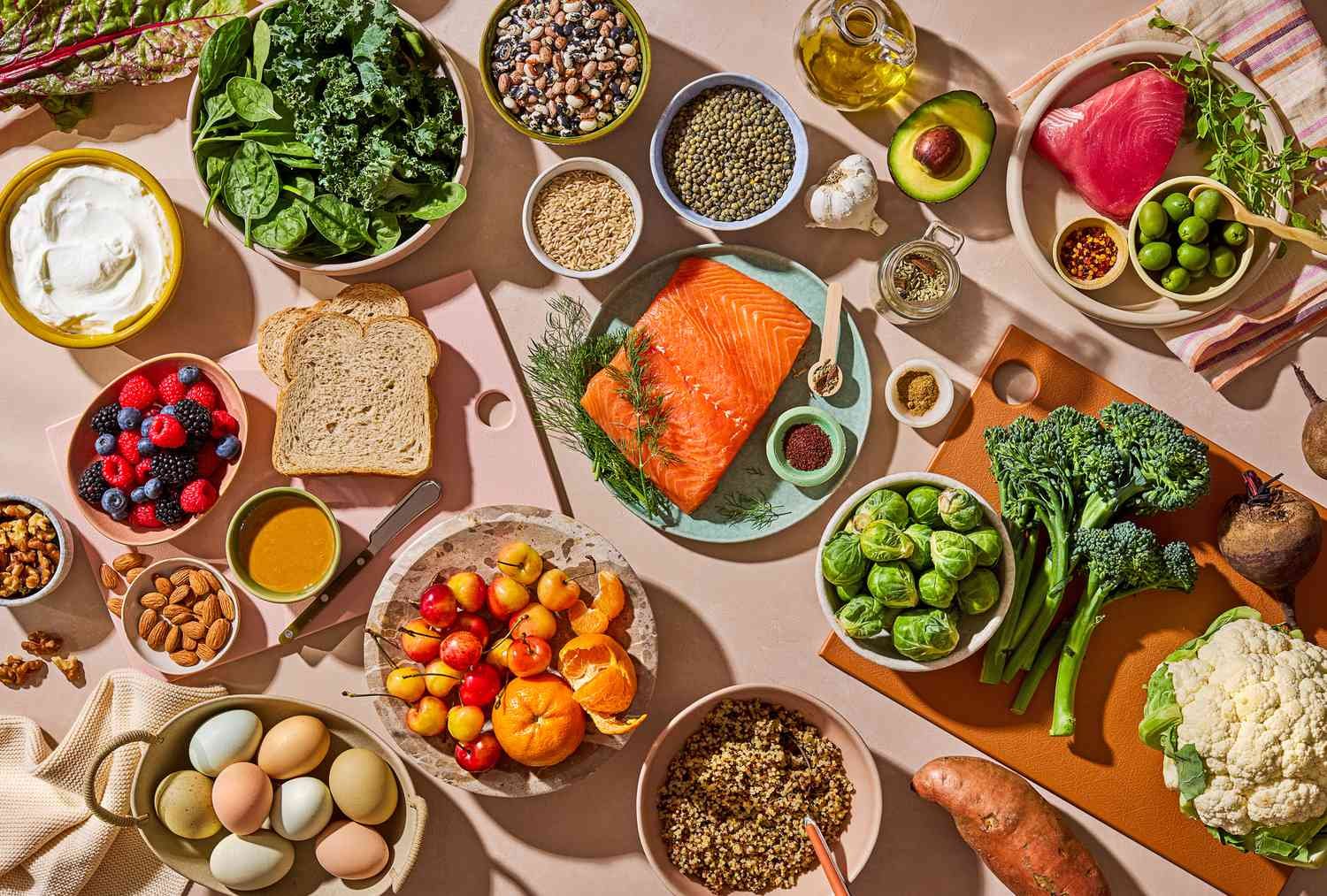
Chronic low-grade inflammation contributes to pain, fatigue, weakened immunity, and increased risk of conditions like arthritis, heart disease, and autoimmune issues. An anti-inflammatory diet emphasizes whole, nutrient-dense foods rich in antioxidants, omega-3s, polyphenols, and fiber while limiting pro-inflammatory items like processed foods, added sugars, and trans fats. This approach, often aligned with the Mediterranean eating pattern, helps modulate inflammatory markers such as C-reactive protein (CRP) and supports overall health.
Evidence from Harvard Health, Johns Hopkins Medicine, and recent meta-analyses shows that consistent intake of anti-inflammatory diet foods reduces systemic inflammation, eases joint pain, boosts immune function, and improves mood and energy. Simple daily swaps make adoption easy without drastic changes—focus on colorful produce, healthy fats, and mindful choices.
Top 10 Low-Carb Diet Mistakes Beginners Make
Why an Anti-Inflammatory Diet Matters for Pain Relief and Immunity
Inflammation serves as a protective response, but when persistent, it damages tissues and impairs immunity. An anti-inflammatory diet counters this by supplying compounds that inhibit pro-inflammatory pathways (e.g., NF-κB) and promote resolution.
Studies link higher adherence to such diets with lower CRP levels, reduced joint stiffness, fewer inflammatory flares, and stronger immune responses. For daily life, this means less chronic pain and better resilience against infections.
Core Principles of an Anti-Inflammatory Diet
Prioritize variety: aim for a rainbow of fruits and vegetables, whole grains, legumes, nuts/seeds, fatty fish, and olive oil. Limit red/processed meats, refined carbs, sugary drinks, and fried foods. These principles form the foundation of an effective anti-inflammatory diet.
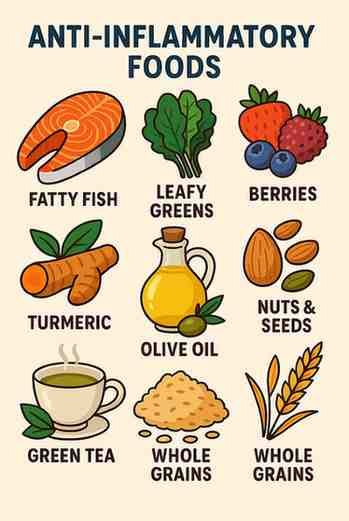
Top Anti-Inflammatory Foods to Eat Daily
Incorporate these evidence-backed foods regularly for optimal benefits.
Berries: Antioxidant Powerhouses in an Anti-Inflammatory Diet
Blueberries, strawberries, raspberries, and blackberries are loaded with anthocyanins and vitamin C that combat oxidative stress and lower inflammation markers.
Eat 1 cup daily—fresh, frozen, or in smoothies—for pain relief and immune support.
Leafy Greens and Cruciferous Vegetables: Essential for an Anti-Inflammatory Diet
Spinach, kale, collards, broccoli, cauliflower, and Brussels sprouts provide sulforaphane, fiber, and vitamins that reduce inflammation and support detoxification.
Aim for 2+ cups daily in salads, stir-fries, or soups.
Fatty Fish: Omega-3 Sources for an Anti-Inflammatory Diet
Salmon, mackerel, sardines, and herring deliver EPA/DHA omega-3s that inhibit inflammatory cytokines.
Include 2-3 servings weekly (or daily small amounts) for joint comfort and immune modulation.
Nuts and Seeds: Healthy Fats in an Anti-Inflammatory Diet
Almonds, walnuts, chia, flaxseeds, and pumpkin seeds offer monounsaturated fats, fiber, and vitamin E.
A handful daily curbs inflammation and provides sustained energy.
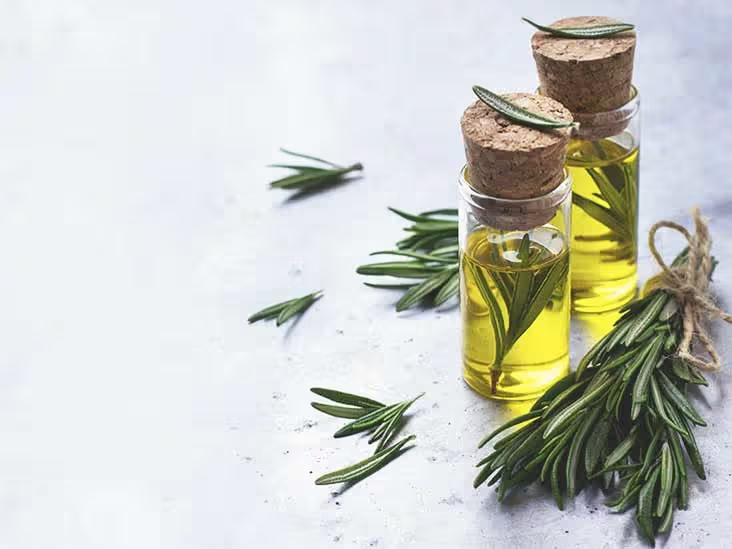
Olive Oil: The Gold Standard in an Anti-Inflammatory Diet
Extra-virgin olive oil contains oleocanthal, which mimics anti-inflammatory drugs.
Use 2-4 tbsp daily for cooking or dressings.
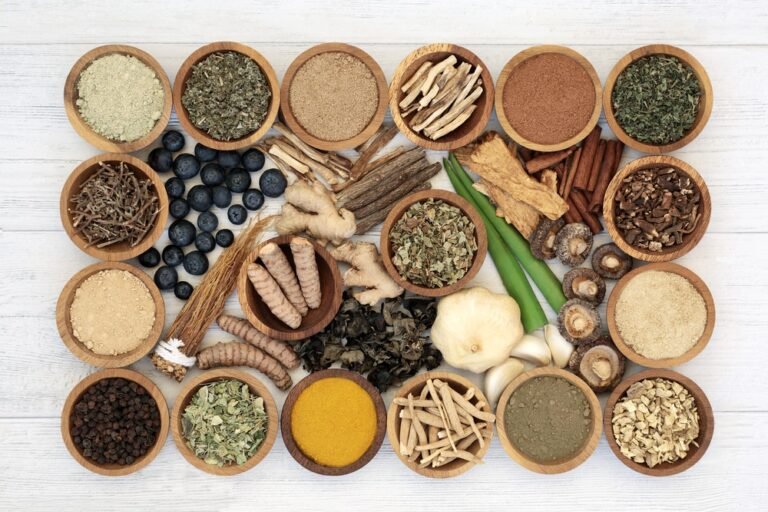
Turmeric and Ginger: Spices That Enhance an Anti-Inflammatory Diet
Curcumin in turmeric and gingerol in ginger block inflammatory pathways—pair with black pepper for better absorption.
Add to teas, meals, or golden milk daily.
Green Tea: Polyphenol-Rich Beverage for an Anti-Inflammatory Diet
EGCG in green tea reduces oxidative damage and supports immunity.
Drink 2-3 cups daily.
Tomatoes and Other Colorful Produce: Lycopene Benefits in an Anti-Inflammatory Diet
Cooked tomatoes boost lycopene absorption; other options include beets, carrots, and bell peppers.
Include daily for antioxidant protection.
Simple Daily Swaps to Follow an Anti-Inflammatory Diet
Make easy changes without overhauling your routine:
- Swap soda for herbal/green tea or water with lemon.
- Replace processed snacks with nuts/seeds or fruit.
- Use olive oil instead of butter or vegetable oil.
- Choose fatty fish over red meat 2-3 times weekly.
- Opt for whole grains (quinoa, oats) over refined.
- Add berries to breakfast instead of sugary cereal.
- Include leafy greens in every meal.
- Flavor with turmeric/ginger instead of excess salt.
These anti-inflammatory diet swaps reduce pro-inflammatory load gradually.
For detailed guidance, visit Harvard Health: Foods that Fight Inflammation. Explore Johns Hopkins Medicine: Anti-Inflammatory Diet. See Mayo Clinic Health System: Reducing Chronic Inflammation.
How to Build an Anti-Inflammatory Diet Meal Plan
Sample day: Breakfast—oatmeal with berries/nuts; Lunch—salad with greens, olive oil, salmon; Snack—green tea/fruit; Dinner—stir-fried veggies with turmeric/ginger and quinoa.
Focus on variety for microbiome support and sustained benefits.
Potential Challenges and Tips for Success
Start small to avoid overwhelm. Track symptoms like pain/energy over weeks. Hydrate and pair with movement for synergy.
Conclusion
Adopting an anti-inflammatory diet through daily foods like berries, greens, fatty fish, nuts, olive oil, and spices offers practical ways to reduce chronic pain, strengthen immunity, and enhance well-being. Simple swaps make it accessible and sustainable, backed by evidence showing lower inflammation markers and better health outcomes. Consistency matters—focus on whole, colorful foods while limiting processed items. Small changes compound into significant relief. Consult a healthcare provider for personalized advice, especially with conditions.
FAQs
What is the best anti-inflammatory diet to follow daily?
The Mediterranean-style anti-inflammatory diet—rich in fruits, vegetables, fish, olive oil, nuts, and whole grains—shows the strongest evidence for reducing inflammation.
How quickly does an anti-inflammatory diet reduce pain?
Many notice improvements in joint pain and energy within 2-4 weeks; full benefits often emerge after 8-12 weeks of consistency.
Can an anti-inflammatory diet boost immunity?
Yes—antioxidant-rich foods and omega-3s support immune function and reduce excessive inflammatory responses.
Are supplements needed for an anti-inflammatory diet?
Whole foods provide superior synergy; supplements (e.g., curcumin, omega-3) suit specific needs but aren’t required for most.
What foods should I avoid on an anti-inflammatory diet?
Limit processed meats, sugary foods/drinks, refined carbs, trans fats, and excessive alcohol/red meat.
How Late-Night Snacks Affect Your Sleep (And What to Eat Instead)