Introduction: Why Adaptogens Are Making a Comeback
In a world full of deadlines, sleepless nights, and constant screen time, our bodies are under more stress than ever before. Modern nutritionists are now looking back thousands of years to ancient remedies that help the body adapt to stress — and that’s where adaptogens come in.
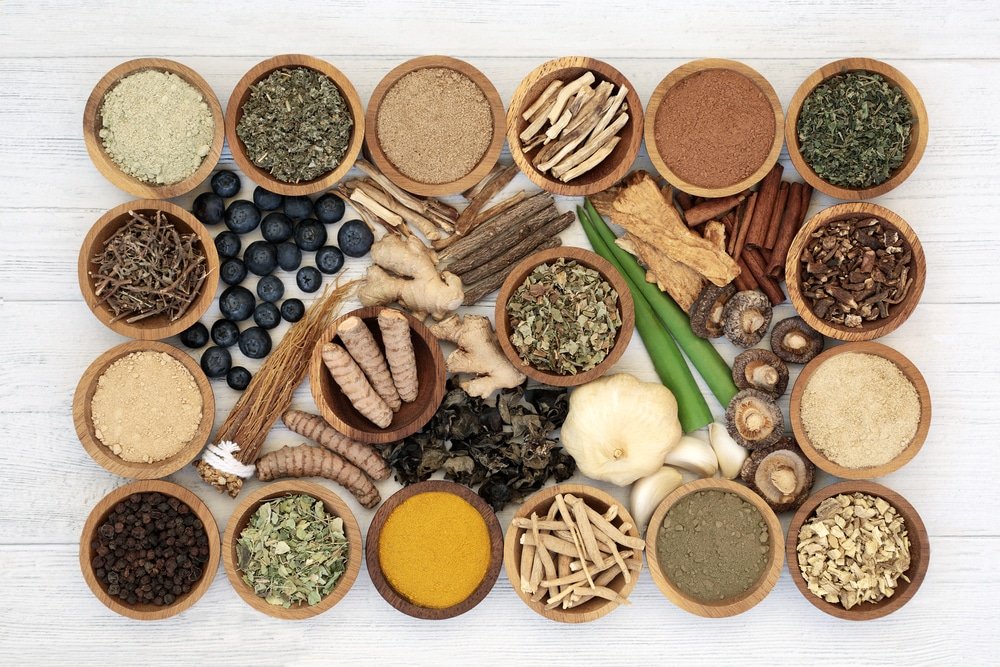
Adaptogens are natural herbs and roots that help your body balance its response to physical, emotional, and environmental stressors. They don’t just mask symptoms; they work on a deep biochemical level to bring your body back into equilibrium.
Whether you’re struggling with burnout, fatigue, or anxiety, learning about adaptogens for stress might be one of the most beneficial things you can do for your health in 2025.
How to Eat for Energy, Not Just Calories
1. What Are Adaptogens?
The term adaptogen was first coined in the 1940s by Russian scientist Dr. Nikolai Lazarev. He described adaptogens as natural substances that help the body maintain balance — a state known as homeostasis — when faced with stress.
In simple terms, adaptogens help your body adapt to stress and restore optimal function. They’re not stimulants or sedatives; instead, they modulate your body’s stress response system, helping you perform and recover better.
National Institutes of Health (NIH) on Adaptogens and Stress
How Adaptogens Work
Adaptogens primarily act on the hypothalamic-pituitary-adrenal (HPA) axis, which regulates the production of cortisol — your main stress hormone. By stabilizing cortisol levels, adaptogens can:
- Reduce fatigue and burnout
- Improve focus and mental clarity
- Support immune and adrenal function
- Enhance energy without overstimulation
Modern nutritionists love these herbs because they bridge the gap between ancient herbal wisdom and modern nutritional science.
2. The Science Behind Adaptogens for Stress
Research on adaptogens for stress has gained traction in the last decade, confirming what ancient medicine has known for centuries.
When your body experiences stress — physical or emotional — cortisol and adrenaline flood your system. Short-term, this is helpful; long-term, it’s exhausting. Adaptogens work by normalizing these hormone levels, preventing chronic stress from taking a toll on your health.
Studies show that certain adaptogens:
- Ashwagandha reduces cortisol levels by up to 30%.
- Rhodiola rosea enhances mental performance under stress.
- Panax ginseng supports energy and immune balance.
In essence, adaptogens for stress act like a thermostat for your nervous system — adjusting up or down as needed to keep you in balance.
3. Ancient Roots: The History of Adaptogens
Adaptogenic herbs aren’t new — they’ve been used for thousands of years in traditional systems like Ayurveda (India), Traditional Chinese Medicine (TCM), and Siberian folk healing.
- In Ayurveda, herbs like Ashwagandha and Tulsi (Holy Basil) are revered for balancing energy and promoting longevity.
- In TCM, Ginseng and Schisandra were used to strengthen qi (life force) and combat fatigue.
- In Russian medicine, Rhodiola rosea was given to soldiers and athletes to improve stamina and stress resistance.
These ancient traditions all recognized what modern science is rediscovering — adaptogens for stress help the human body stay strong in the face of life’s challenges.
4. Top Adaptogens for Stress and How They Work
Let’s dive into the most powerful adaptogens and how they can support your body and mind.
4.1 Ashwagandha (Withania somnifera)
Often called the “King of Adaptogens,” Ashwagandha is one of the best-researched herbs for stress reduction.
Benefits:
- Lowers cortisol and anxiety
- Enhances sleep quality
- Supports thyroid and adrenal health
- Improves muscle strength and endurance
How to use: 300–600 mg daily of standardized extract.
Ashwagandha’s ability to balance stress hormones makes it one of the most effective adaptogens for stress and anxiety relief.
4.2 Rhodiola Rosea
Native to Arctic regions, Rhodiola is known as the “golden root.” It helps the body resist both physical and mental fatigue.
Benefits:
- Increases energy and stamina
- Enhances mental performance under pressure
- Reduces symptoms of burnout and mild depression
How to use: 200–400 mg daily before breakfast.
Rhodiola is particularly popular among students and professionals who want to improve focus while reducing stress naturally.
4.3 Panax Ginseng
This ancient Chinese herb has been used for centuries to restore energy and vitality.
Benefits:
- Supports cognitive function
- Strengthens immunity
- Increases resilience against chronic stress
- Reduces mental fatigue
How to use: 200–400 mg daily in cycles (e.g., 3 weeks on, 1 week off).
Ginseng is an adaptogen for those needing long-term stamina and focus without the jitteriness of caffeine.
4.4 Holy Basil (Tulsi)
Known as the “Queen of Herbs,” Holy Basil has been cherished in Ayurvedic medicine for its spiritual and medicinal qualities.
Benefits:
- Calms the mind and improves mood
- Balances blood sugar and hormones
- Reduces cortisol levels
How to use: Drink Tulsi tea or take 500 mg capsules twice daily.
Holy Basil is one of the gentlest adaptogens for stress, making it perfect for beginners.
4.5 Schisandra Chinensis
A unique berry used in TCM, Schisandra is known for its “five flavors” — sweet, sour, bitter, pungent, and salty — symbolizing balance.
Benefits:
- Boosts energy and endurance
- Enhances liver detoxification
- Improves mental clarity and resilience
How to use: 500–1000 mg daily or as tea/tincture.
Schisandra is a multitasking adaptogen, ideal for those under chronic stress or dealing with fatigue.
4.6 Eleuthero (Siberian Ginseng)
Eleuthero was the first herb officially classified as an adaptogen by Soviet scientists.
Benefits:
- Boosts immune response
- Improves physical performance
- Reduces fatigue and supports adrenal health
How to use: 300–1200 mg daily depending on stress levels.
Athletes and busy professionals alike use Eleuthero as an adaptogen for stress and endurance.
5. How to Use Adaptogens Safely and Effectively
While adaptogens are natural, they’re powerful and should be used correctly.
Start Slowly
Introduce one adaptogen at a time so you can track how your body responds.
Be Consistent
Adaptogens work best when taken daily for at least 3–6 weeks.
Choose Quality
Always buy standardized extracts from reputable brands — poor-quality supplements may lack active compounds.
Mind Possible Interactions
If you’re taking medications for thyroid, blood pressure, or mood, consult a healthcare provider before adding adaptogens.
Combine Wisely
Some blends combine multiple adaptogens to balance effects — for example:
- Morning: Rhodiola + Ginseng (for focus and energy)
- Evening: Ashwagandha + Holy Basil (for relaxation and recovery)
Proper use of adaptogens for stress can create lasting improvements in energy, sleep, and emotional stability.
6. Adaptogens in Modern Nutrition
Modern nutritionists are increasingly recommending adaptogens for stress management as part of holistic wellness programs.
You’ll find adaptogens in:
- Smoothie powders
- Herbal teas
- Protein blends
- Functional beverages
For example, an ashwagandha latte or maca smoothie provides a delicious and natural way to integrate these ancient herbs into your daily life.
As 2025 trends continue toward holistic, preventative health, adaptogens have become a cornerstone of biohacking nutrition — merging ancient wisdom with modern science.
7. Benefits of Adaptogens Beyond Stress Relief
While their primary fame comes from helping people manage stress, adaptogens offer far-reaching benefits:
- Better Sleep Quality: Ashwagandha and Reishi mushrooms promote deep, restorative rest.
- Enhanced Focus: Rhodiola and Ginseng support brain performance.
- Hormonal Balance: Holy Basil and Maca root help stabilize hormonal fluctuations.
- Immune Support: Schisandra and Eleuthero boost immunity naturally.
- Anti-Aging Effects: Many adaptogens have antioxidant properties that combat cellular damage.
In short, using adaptogens for stress is just the beginning — they enhance total-body vitality.
8. The Future of Adaptogens in Wellness
The adaptogen market is booming. According to recent reports, the global adaptogen industry is projected to exceed $20 billion by 2030.
New research continues to explore how adaptogens for stress can benefit:
- Mental health disorders (like anxiety and depression)
- Metabolic health and weight management
- Post-exercise recovery
- Immune resilience after illness
With more clinical studies underway, adaptogens are moving from niche herbal remedies to mainstream nutritional therapy.
FAQs About Adaptogens for Stress
1. What are the best adaptogens for stress and anxiety?
The most effective adaptogens for stress relief include Ashwagandha, Rhodiola Rosea, and Holy Basil. These herbs help regulate cortisol, reduce anxiety, and promote calm focus.
2. Can I take multiple adaptogens at once?
Yes, you can combine adaptogens, but start with one or two and observe how your body reacts. Many formulations blend complementary herbs for balanced results.
3. How long does it take to feel results from adaptogens?
Most people notice benefits within 2–4 weeks of consistent use. Some effects, like improved mood or sleep, may appear sooner.
4. Are adaptogens safe for everyone?
Generally, yes — but pregnant women, nursing mothers, and people on medication should consult a doctor before starting any new supplement.
5. Can adaptogens replace therapy or medication?
No. Adaptogens are supportive, not replacements for prescribed treatments. They can, however, complement therapy or lifestyle changes to reduce stress naturally.
6. Do adaptogens have side effects?
Adaptogens are well-tolerated, but excessive doses may cause mild side effects like stomach upset or insomnia. Always follow dosage guidelines.
Conclusion: The Ancient Secret to Modern Balance
In today’s high-pressure world, it’s no wonder adaptogens for stress have become a go-to tool for modern nutritionists and wellness enthusiasts alike. These time-tested herbs bridge the gap between ancient tradition and modern science, offering safe, natural ways to support resilience, calm, and vitality.
By regulating cortisol, balancing hormones, and restoring energy, adaptogens empower your body to adapt — not just survive — under stress.
Whether you sip Tulsi tea, take Rhodiola before work, or unwind with Ashwagandha at night, these herbs can help you regain balance in a world that rarely slows down.
Start small, be consistent, and let nature’s most powerful stress relievers help you live — and thrive — in harmony. 🌿