
Introduction: Why an Anti-Inflammatory Vegan Diet Matters Today
Inflammation is your body’s natural defense mechanism — but when it becomes chronic, it can silently damage tissues, disrupt hormones, and pave the way for diseases like arthritis, diabetes, heart disease, and depression.
That’s where the Anti-Inflammatory Vegan Diet comes in — a science-backed, plant-powered way of eating designed to calm inflammation, boost energy, and promote long-term health.
By removing pro-inflammatory animal products and focusing on nutrient-dense plants, this diet helps the body heal from the inside out. It’s not just about being vegan — it’s about eating strategically to reduce oxidative stress, stabilize blood sugar, and energize your mind and body.
High-Protein, Plant-Based: How to Build Muscle Without Meat
What Is the Anti-Inflammatory Vegan Diet?
The Anti-Inflammatory Vegan Diet is a plant-based approach focused on foods that reduce inflammation and oxidative stress at the cellular level. It eliminates inflammatory triggers like animal fats, dairy, and processed foods while emphasizing:
- Whole fruits and vegetables
- Legumes and beans
- Whole grains
- Nuts, seeds, and omega-rich oils
- Herbs, spices, and fermented foods
Unlike restrictive detoxes, this diet nourishes your body with abundant nutrients that actively fight inflammation and restore balance to your immune system.
Key Principles:
- Plant-powered nutrition: Rich in phytonutrients and antioxidants.
- Whole over processed: Minimally processed foods retain anti-inflammatory compounds.
- Balanced macronutrients: Adequate protein, fiber, and healthy fats.
- Gut health focus: Supports the microbiome — a key regulator of inflammation.
Harvard Health — Anti-Inflammatory Diet Basics
The Science Behind Inflammation and Diet
Chronic inflammation is often linked to lifestyle — poor diet, stress, pollution, and lack of sleep all play a role. At a molecular level, inflammation triggers the release of cytokines (chemical messengers) that can damage tissues if left unchecked.
The Anti-Inflammatory Vegan Diet works by:
- Reducing pro-inflammatory foods (like saturated fats, refined sugars, and red meat).
- Boosting antioxidants that neutralize free radicals.
- Balancing omega-6 and omega-3 fatty acids, crucial for reducing inflammatory signaling.
Research published in The Journal of the American College of Nutrition found that individuals following a vegan or plant-based diet had significantly lower levels of C-reactive protein (CRP) — a major marker of systemic inflammation.
Core Foods of the Anti-Inflammatory Vegan Diet
1. Leafy Greens and Cruciferous Vegetables
Spinach, kale, broccoli, and Brussels sprouts are rich in sulforaphane — a compound known to switch off inflammatory genes.
🥬 Biohack: Eat your greens lightly steamed or blended in smoothies to maximize nutrient absorption.
2. Berries and Colorful Fruits
Blueberries, raspberries, cherries, and oranges are loaded with anthocyanins and vitamin C, both proven to reduce inflammation and oxidative damage.
🍒 Tip: Aim for a “rainbow plate” — the more colors, the broader the range of phytonutrients.
3. Legumes and Beans
Lentils, chickpeas, and black beans are high in fiber and plant protein, which stabilize blood sugar and feed gut-friendly bacteria.
🫘 Fun Fact: Fiber helps produce short-chain fatty acids (SCFAs) that reduce gut inflammation.
4. Whole Grains
Brown rice, quinoa, oats, and millet provide slow-release energy and nutrients like magnesium, selenium, and zinc that support immune function.
🥣 Pro Tip: Choose intact grains over flours to prevent insulin spikes.
5. Nuts and Seeds
Walnuts, chia seeds, flaxseeds, and hemp seeds are rich in omega-3 fatty acids and polyphenols, key players in lowering inflammation.
🌰 Add them to: Smoothies, salads, or overnight oats for a daily anti-inflammatory boost.
6. Herbs and Spices
Turmeric (curcumin), ginger, cinnamon, and garlic are nature’s inflammation-fighting superstars.
🌿 Golden rule: Combine turmeric with black pepper to enhance absorption of curcumin by up to 2000%.
7. Healthy Fats
Extra virgin olive oil and avocado oil provide monounsaturated fats that combat inflammation at the cellular level.
🥑 Try: Drizzling olive oil over roasted vegetables for added antioxidants.
8. Fermented Foods
Sauerkraut, kimchi, tempeh, and miso promote gut health, balancing the microbiome — which regulates 70% of the immune system.
🧫 Gut tip: A healthy gut equals lower inflammation throughout the body.
Foods to Avoid on an Anti-Inflammatory Vegan Diet
Even plant-based diets can include inflammatory foods if you’re not careful. Here’s what to minimize or eliminate:
🚫 Refined carbohydrates – white bread, pastries, and sugary snacks.
🚫 Highly processed vegan junk food – mock meats, fried foods, and chips.
🚫 Excess omega-6 oils – soybean, sunflower, and corn oil in large quantities.
🚫 Artificial sweeteners and preservatives – disrupt gut microbiota.
🚫 Too much alcohol – increases inflammation and impairs liver detox.
Benefits of the Anti-Inflammatory Vegan Diet
1. Reduces Chronic Inflammation
By focusing on antioxidants and fiber, this diet lowers markers like CRP and IL-6, both linked to chronic disease.
2. Improves Energy and Mental Clarity
Plant-based nutrients improve mitochondrial function, stabilizing blood sugar and preventing fatigue.
3. Enhances Gut Health
Prebiotics and probiotics from fiber and fermented foods support a diverse microbiome — crucial for mood and immunity.
4. Supports Weight Management
High-fiber, nutrient-dense foods promote satiety and naturally regulate appetite.
5. Promotes Healthy Aging
Antioxidants slow down cellular damage, protecting against wrinkles, cognitive decline, and inflammation-related aging.
6. Protects Against Disease
Studies show an Anti-Inflammatory Vegan Diet lowers risks of:
- Type 2 diabetes
- Cardiovascular disease
- Arthritis and autoimmune conditions
- Some cancers
Meal Planning Tips for the Anti-Inflammatory Vegan Diet
🥗 Morning:
- Breakfast: Overnight oats with chia seeds, blueberries, and almond butter.
- Drink: Green tea with turmeric and lemon.
🌮 Lunch:
- Quinoa salad with kale, chickpeas, avocado, and olive oil dressing.
- Side: Kimchi or sauerkraut for gut health.
🍛 Dinner:
- Stir-fried tofu with broccoli, ginger, and brown rice.
- Dessert: A handful of walnuts and dark chocolate (85%+ cocoa).
☕ Snacks:
- Fresh fruit, trail mix, or hummus with veggie sticks.
🧩 Meal Prep Tip: Cook grains and legumes in batches to make anti-inflammatory meal building fast and easy during busy weeks.
Supplement Support for an Anti-Inflammatory Vegan Diet
While the diet covers most nutrients, some supplements can enhance results:
- Omega-3 (algae-based DHA/EPA): Supports brain and joint health.
- Vitamin B12: Essential for nerve function and energy.
- Vitamin D3: Regulates immune function and inflammation.
- Magnesium: Calms nerves and supports recovery.
- Curcumin extract: Potent anti-inflammatory compound.
💊 Pro Tip: Choose supplements certified vegan and third-party tested for purity.
Real-World Results: What the Research Shows
- A 2022 review in Frontiers in Nutrition found that plant-based diets reduce inflammatory biomarkers and improve metabolic health.
- A 2023 study from Harvard T.H. Chan School of Public Health linked vegan diets rich in whole foods to a 29% lower risk of cardiovascular disease.
- Another meta-analysis revealed that high fruit and vegetable consumption reduces depression risk — partly due to lower inflammation.
The evidence is clear: the Anti-Inflammatory Vegan Diet is one of the most sustainable, health-optimizing lifestyles available.
Common Challenges (and How to Overcome Them)
1. Not Getting Enough Protein:
Combine legumes, whole grains, and seeds for a complete amino acid profile.
2. Cravings for Processed Foods:
Prepare flavor-rich meals with spices like cumin, garlic, and nutritional yeast to satisfy your palate naturally.
3. Digestive Discomfort:
Introduce high-fiber foods gradually and drink plenty of water.
4. Dining Out Challenges:
Look for restaurants offering “Buddha bowls,” lentil soups, or veggie wraps — easy anti-inflammatory options.
🧠 Mind-Body Connection: How Diet Influences Mood
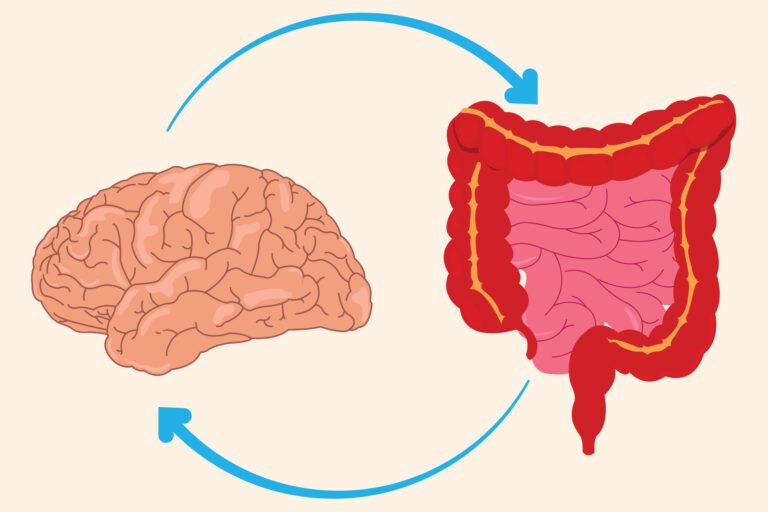
The gut and brain are deeply linked through the gut-brain axis. An inflamed gut can increase stress, anxiety, and even depression. The Anti-Inflammatory Vegan Diet improves this communication loop by feeding beneficial bacteria that produce neurotransmitters like serotonin and dopamine.
When your gut thrives, your mind follows.
🧘 Try pairing this diet with mindfulness or yoga for a powerful holistic healing effect.
🌿 FAQs About the Anti-Inflammatory Vegan Diet
Q1: Is the Anti-Inflammatory Vegan Diet suitable for everyone?
Yes, but individuals with specific health conditions should consult a healthcare professional before major dietary changes.
Q2: Can I build muscle on this diet?
Absolutely. Include lentils, tofu, quinoa, and hemp protein to meet your daily protein goals.
Q3: How soon can I see results?
Most people report reduced bloating and more energy within 1–2 weeks, with inflammation markers improving over 1–3 months.
Q4: What’s the best cooking oil for this diet?
Extra virgin olive oil is best for cold dishes; avocado oil is ideal for cooking.
Q5: Is it expensive to follow this lifestyle?
Not at all. Buying whole grains, beans, and seasonal produce in bulk is cost-effective and nourishing.
🌟 Conclusion: Heal Naturally with the Anti-Inflammatory Vegan Diet
The Anti-Inflammatory Vegan Diet isn’t just another wellness trend — it’s a sustainable lifestyle that empowers your body to heal and thrive. By focusing on nutrient-rich, plant-based foods, you can calm inflammation, boost energy, and support both mental and physical vitality.
Every bite becomes a step toward longevity, clarity, and balance.
The best part? You don’t need perfection — just consistency. Start small, stay curious, and let your food become your medicine.
Mental Health Biohacks: Science-Backed Ways to Rewire Your Mood



One Comment