
Sleep is commonly framed in terms of how much you get—seven to nine hours, eight hours being ideal for most adults. But increasingly, research is pointing to a different priority: when you sleep. In fact, your circadian rhythm sleep pattern—your internal body clock’s alignment with your sleep-wake cycle—may matter more than simply hitting a target number of hours. In this article we’ll explore what the circadian rhythm is, why timing of sleep is so critical, how misalignment can undermine your health, and how you can reset your sleep-wake schedule for optimal wellbeing.
Best Natural Drinks Before Bed
Understanding the Basics of Circadian Rhythm and Sleep
What is a circadian rhythm?
The term “circadian” comes from the Latin circa diem, meaning “about a day.” Your body operates on roughly 24-hour cycles of physiology, metabolism and behaviour. These rhythms coordinate when you feel alert, when you feel sleepy, when your body temperature drops, when your hormones like cortisol and melatonin ebb and flow. Cleveland Clinic
At the core of this system is a cluster of cells in your brain called the Suprachiasmatic Nucleus (SCN), located in the hypothalamus. The SCN receives light-dark signals from your eyes, and it regulates peripheral clocks throughout your body—so your liver, gut, immune system, metabolic system, all function on timing cues as well.
Why is the “when” of sleep important?
When you sleep at the wrong time for your circadian clock, even if you log eight hours, the restorative value of that sleep may be reduced. In essence, your body and brain have “scheduled windows” for optimal repair and regeneration. When your sleep timing is misaligned with your internal rhythm, hormone release, tissue repair, immune function and cognitive consolidation don’t synchronise well. A recent review indicates that “our daily circadian rhythms and sleep/wake cycle allow us to function optimally … adjusting our biology to the demands imposed by the day/night cycle.”
Additionally, the science of circadian rhythm sleep emphasises that it’s not just about hours—it’s about synchronising your sleep with your body’s internal timing for maximal benefit.
What drives circadian rhythm sleep patterns?
Key “zeitgebers” (time-givers)—most importantly light exposure—tell your body what time of day it is. When daylight hits your retina, the SCN interprets that as “wake time”; when darkness falls, it triggers melatonin production and signals “sleep time.” Sleep Foundation
Other contributors:
- Meal timing — eating late or irregularly can shift your clock.
- Physical activity timing — exercise too late at night may delay your sleep window.
- Artificial light and screen exposure at night — especially blue light that mimics daylight and suppresses melatonin.
- Shift work, jet lag, irregular schedules — these are classic disruptors of circadian rhythm sleep alignment.
Why Circadian Rhythm Sleep Matters More Than Duration
The evidence behind timing > hours
Conventional advice emphasises “sleep more” but mounting evidence suggests that sleep regularity and timing may be at least as important. A study found that consistency in sleep onset and offset times (rather than simply the number of hours) is strongly linked to better health outcomes. sleephealthjournal.org
One summary article states: “When it comes to recovery, many people focus on getting enough sleep, but research shows that circadian rhythms play a bigger role than total sleep duration.”
In practical terms: you might log seven or eight hours but still feel unrested if your schedule is misaligned—because your circadian rhythm sleep window wasn’t optimal.
The mechanisms: how misalignment affects health
Hormonal disruption: When your sleep–wake timing is misaligned with your circadian rhythm, the timing of hormone release such as cortisol (which peaks around morning) and melatonin (which rises after dark) goes awry.
Metabolic mis-timing: Your body expects certain processes at certain times—digestion, insulin release, temperature regulation. Disruption of your circadian rhythm sleep cycle can reduce metabolic efficiency, increase appetite dysregulation and raise risk for obesity and diabetes.
Reduced repair & cognitive consolidation: Deep sleep and rapid eye movement (REM) sleep cycles are optimally timed relative to your circadian rhythm. If you go to bed too late or wake up at irregular times, these restorative phases may occur at sub-optimal times, reducing their benefit.
Mental health consequences: Irregular sleep timing is linked to higher rates of mood disorders. A blog from Harvard Medical School notes that an irregular circadian rhythm can negatively affect sleep and functioning and is associated with depression, anxiety and other disorders. Harvard Health
Real-world implications: measuring timing not just hours
Consider someone who sleeps:
- Bedtime: 3 a.m., Wake time: 11 a.m. (8 hours) vs
- Bedtime: 10 p.m., Wake time: 6 a.m. (8 hours).
The second schedule better aligns with the circadian rhythm sleep window that most human biology evolved to expect. The first schedule may disrupt hormone timing, repair mechanisms and daily cognition—even if hours are equal.
Also, irregular schedules (especially “social jet lag” on weekends) create repeated misalignments that accumulate.
How to Recognize a Disrupted Circadian Rhythm Sleep Pattern
Signs your timing might be off
- Difficulty falling asleep or staying asleep despite enough time in bed
- Waking up feeling unrefreshed even after “enough” hours
- Feeling sleepy in the early morning (e.g., before 9 a.m.) or needing a long nap
- Mood swings, irritability, poor concentration, especially on days following late bedtimes
- Difficulty waking up in the morning; constant “grogginess”
- Frequent changes in bedtime or wake time (“catching up” on weekends)
Common causes of circadian mis-timing
- Late-night screen / artificial light exposure: Delays melatonin and shifts your biological clock later.
- Shift work or frequent time-zone travel: Classic drivers of desynchronisation of sleep–wake timing.
- Inconsistent sleep schedule: Varying bedtimes or wake times day-to-day confuse your internal clock.
- Late-night eating or high evening activity: These signal your body that the active phase extends later, shifting your rhythm.
- Poor exposure to daylight or living indoors: Lack of strong morning light weakens the day-night cues your brain needs.
Why it matters: health consequences
When your circadian rhythm sleep pattern is chronically misaligned, the health impact is substantial:
- Increased risk of cardiovascular disease, metabolic syndrome and type 2 diabetes
- Elevated risk of mood disorders and cognitive decline
- Reduced immune resilience and healing efficiency
- Shorter lifespan associations with erratic sleep timing patterns in large cohort studies
In sum, getting eight hours means little if your body clock interprets them as “in the wrong hour”.
Resetting Your Circadian Rhythm Sleep Schedule
Step-by-step guide to aligning sleep timing
1. Fix your wake-up time
Decide on a consistent wake-up time that you can stick to every day, including weekends. This helps anchor your circadian rhythm sleep cycle. Studies show that consistency in wake time is a strong predictor of sleep health.
2. Expose yourself to morning light
As soon as you wake up, aim to get 10-20 minutes of natural daylight exposure. If outdoors isn’t possible, bright indoor light close to dawn helps. This “resets” your internal clock each day by telling your SCN that it’s day.
3. Set a reasonable bedtime window
Usually 7–9 hours before your wake time is a good target, but more importantly the bedtime should be set so that your sleep occurs during your body’s preferred biological night. For example, if you wake at 6:00 a.m., aim for bedtime around 10:00 p.m.
4. Dim lights and reduce screens in the evening
About 60-90 minutes before bed, reduce exposure to bright light and especially blue-light sources (phones, tablets, computers). Create a “wind-down” period to signal to your brain that sleep time is approaching.
5. Avoid large meals, caffeine and vigorous exercise late at night
Late meals, stimulants and heavy workouts may push back your sleep window, interfering with your circadian rhythm sleep alignment.
6. Maintain regular sleep–wake schedule on weekends
Many people “catch up” by staying out late or sleeping in. But this creates a “social jet-lag” effect and shifts the circadian rhythm. Stick to a consistent timing to prevent misalignment.
7. Use your sleep environment strategically
Ensure your bedroom is cool, dark, quiet and reserved for sleep (rather than stimulating activity). This helps your body associate that environment with the correct circadian rhythm sleep period.
Advanced options for tougher cases
- Light therapy: For individuals whose schedule must shift (night-shift workers, delayed sleep phase), timed bright-light exposure in the morning or early evening can help reset the clock.
- Melatonin supplementation: When timed correctly under medical supervision, low-dose melatonin can assist in advancing or delaying bedtime to better align with circadian rhythm sleep timing.
- Chronotherapy: In clinical settings, delayed sleep-phase or advanced sleep-phase disorders can require controlled schedule shifts day by day.
Real-Life Tips to Make Timing Stick
Build an evening routine that respects your rhythm
Create a regular ritual each night: dim lights, turn off screens, perhaps a warm bath or light reading. Over time, your brain learns to expect sleep at that hour.
Follow the “two-hour rule” for light and activity
Try to stop stimulating activities (work, screen time, heavy socialising) at least 1.5-2 hours before your target bedtime. This helps your circadian rhythm sleep module anticipate the transition.
Nap wisely
Short naps (10-20 minutes in early afternoon) may boost alertness, but long or late naps can reduce sleep drive and shift your circadian rhythm sleep timing later. Avoid napping close to bedtime.
Monitor your schedule on weekends
If you wake at 6 a.m. Monday-Friday, aim for no later than 8 a.m. on weekends. Changing wake times by more than 1–2 hours swings your biological clock and disrupts your circadian rhythm sleep stability.
Match activity timing to your bed-wake schedule
Exercise earlier in the day rather than late evening. Allocate demanding cognitive tasks earlier in the day when your circadian rhythm sleep-driven alertness is higher; let winding down occur in the evening.
Be consistent even if you don’t feel perfect
If you have a poor night, don’t “sleep in” the next morning. Get up at your regular time, get light exposure, and go to bed at your regular hour. That helps your circadian rhythm sleep synchronisation faster.
Why Timing Beats Duration (in many cases)
More effective repair
Your body doesn’t just “sleep anytime” and get equal benefit. Research emphasises that alignment of sleep timing with the circadian rhythm sleep window facilitates optimal tissue repair, memory consolidation and hormone regulation. For example, deep sleep phases tend to occur earlier in the night and may be truncated or shifted when you delay bedtime.
Efficiency over quantity
Imagine two people each sleeping eight hours: Person A sleep 10 p.m.–6 a.m., Person B sleep 2 a.m.–10 a.m. Even though both sleep eight hours, Person A likely experiences better sleep quality, better hormone synchrony and more restorative sleep than Person B, simply because their circadian rhythm sleep window is more aligned.
Protecting long-term health
Large studies show that irregular sleep timing is associated with higher all-cause mortality, greater cardiovascular risk and worse metabolic outcomes—even when the total sleep hours appear normal.
An enhanced mood and cognitive benefit
Because your circadian rhythm sleep synchronises with brain functions like memory, emotional regulation and synaptic homeostasis, when you align your timing well you optimise these cognitive and mood benefits. Irregular timing reduces this synchrony and may contribute to mood problems.
Special Considerations & Troubleshooting
Early birds vs night owls: chronotype matters
Each person has a biological chronotype—a natural preference for earlier (“lark”) or later (“owl”) timing. Your circadian rhythm sleep pattern will align better if you work with your chronotype rather than against it. However societal demands often favour early timing. One article notes that while you cannot completely change your chronotype (it’s genetically influenced), you can shift your rhythm somewhat or adjust your schedule to fit your body clock.
Shift workers, travel and schedule disruptions
If you work nights or change shifts frequently, your circadian rhythm sleep is under continual pressure. Try to stabilise one consistent schedule where possible, use light strategically (bright light when awake, dark cues when sleeping) and plan transitions carefully.
Social jet lag & weekend variability
“Weekend sleep-ins” may feel restorative but they actually extend your biological day and delay your rhythm. Research shows that even short-term shifts in sleep timing throw off your circadian rhythm and reduce sleep quality.
Age-related changes
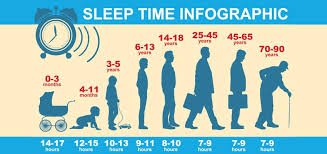
As we age, melatonin production declines and circadian rhythm sleep windows may shift earlier. Also children and adolescents tend to have delayed rhythms naturally. Recognising these changes allows you to tailor your schedule realistically.
When misalignment becomes a disorder
Some individuals may develop clinically diagnosable conditions of misalignment, such as delayed sleep-phase disorder or shift-work disorder. These require specialist intervention.
Putting It Into Practice: A 14-Day Circadian Rhythm Sleep Reset Plan
Week 1
- Set your wake time (e.g., 6:30 a.m.) and stick to it every day.
- Every morning, get 15-20 minutes of outdoor light exposure.
- Decide on your bedtime (e.g., 10:30 p.m.) to allow ~8 hours. Begin winding down no later than 9:30 p.m.
- Avoid bright screens after 9:30 p.m.; use a warm light, read or relax instead.
- Avoid large meals, caffeine or intense exercise after 8 p.m.
- On weekends, keep wake time within 1 hour of weekday time.
Week 2
- Continue the same schedule. If you still struggle to fall asleep, consider gradually moving bedtime 15 minutes earlier each second night until you hit your target.
- Add a brief 5-10 minute meditation or breathing exercise before bed to help signal sleep time.
- Track your sleep quality: how quickly you fall asleep, number of awakenings, how refreshed you feel.
- If you nap, keep it under 20 minutes and before 3 p.m. to avoid delaying your circadian rhythm sleep window.
- After two weeks, evaluate: Are you falling asleep faster? Waking up fresher? Less groggy? Better mood through the day?
When you give your body a consistent sleep-wake timing that honours your built-in clock, you’ll not only fall asleep more easily but you’ll likely sleep better, feel better, and protect your health more effectively than by simply aiming for a generic “eight hours”. Because, as mounting evidence suggests, it’s not just how long you sleep—it’s when you sleep.
Frequently Asked Questions (FAQ)
1. What is the ideal circadian rhythm sleep schedule for most people?
For most adults, the ideal circadian rhythm sleep window aligns roughly with the natural day–night cycle — sleeping between 10:00 p.m. and 6:00 a.m.. However, chronotype differences mean some people function better with slightly earlier or later schedules. The key is consistency — waking up and going to bed at the same time daily.
2. How long does it take to reset your circadian rhythm?
Typically, it takes 7 to 14 days of consistent wake and sleep timing, proper morning light exposure, and limited late-night stimulation to reset the circadian rhythm sleep cycle. For those with long-term disruptions (like shift workers or jet lag), it may take 3 to 4 weeks to fully stabilise.
3. Can I reset my circadian rhythm without melatonin supplements?
Yes, you can. The most natural and effective way is through light management — get bright daylight exposure in the morning, reduce screen and artificial light at night, and maintain a consistent bedtime. Melatonin supplements can help, but should only be used short-term and under medical guidance.
4. What are the best foods to support a healthy circadian rhythm sleep pattern?
Foods rich in tryptophan, magnesium, and B vitamins support melatonin production and nervous system relaxation. Examples include turkey, oats, almonds, bananas, spinach, and whole grains. Avoid caffeine, spicy food, and heavy meals close to bedtime as they can delay sleep onset.
5. How do night-shift workers manage circadian rhythm sleep?
Night-shift workers should use controlled exposure to light and darkness — wear sunglasses on the way home to block sunlight, use blackout curtains during daytime sleep, and rely on bright artificial light during work hours. Regular scheduling and short strategic naps can also help maintain rhythm balance.
6. Is it harmful to sleep at different times on weekends?
Yes, frequent weekend sleep shifts cause “social jet lag,” which disrupts your circadian rhythm sleep cycle. Even if you get enough hours, irregular timing confuses your internal clock, leading to fatigue, mood swings, and poor performance during weekdays.
7. Can technology help track my circadian rhythm?
Absolutely. Modern sleep apps and wearables (like Oura, Fitbit, or Apple Watch) monitor your sleep timing, stages, and light exposure, helping you recognise patterns. Some even suggest optimal bedtimes and wake times based on your natural rhythm.
8. What happens if I consistently ignore my circadian rhythm sleep signals?
Chronic misalignment can increase risks of obesity, heart disease, diabetes, depression, and cognitive decline. Your energy, mood, and focus will also fluctuate throughout the day due to hormonal imbalance. Aligning your schedule with your internal rhythm prevents these long-term effects.
9. Does napping affect circadian rhythm sleep?
Short naps (15–20 minutes) in early afternoon can boost alertness without disturbing your circadian rhythm. However, long or late naps (especially after 4 p.m.) can delay your bedtime and reduce night-time sleep quality.
10. What’s the simplest way to strengthen my circadian rhythm?
Three key actions:
- Wake up at the same time every day.
- Get morning sunlight.
- Dim lights and screens at least an hour before bed.
Following these habits daily is enough to stabilise most circadian rhythm sleep patterns naturally.
Conclusion: The Power of Sleeping at the Right Time
In our 24/7 world, sleep is often treated like a commodity — something you can “catch up on” later. But science tells a different story. The quality of your rest depends not only on how long you sleep but when you sleep. Your circadian rhythm sleep pattern synchronises every system in your body — from hormones and metabolism to mood and cognitive function.
When your sleep aligns with your biological night, your body performs at its best: memory consolidates, hormones balance, and repair processes run efficiently. But when this rhythm is thrown off — by late nights, shift work, or erratic schedules — even a full night’s sleep can leave you feeling drained.
The takeaway is clear: respect your internal clock. Go to bed and wake up at consistent times, embrace morning light, and wind down naturally at night. By doing so, you won’t just improve your sleep — you’ll optimise your energy, focus, and emotional balance throughout the day. Because ultimately, it’s not about how long you sleep; it’s about when your body sleeps best.