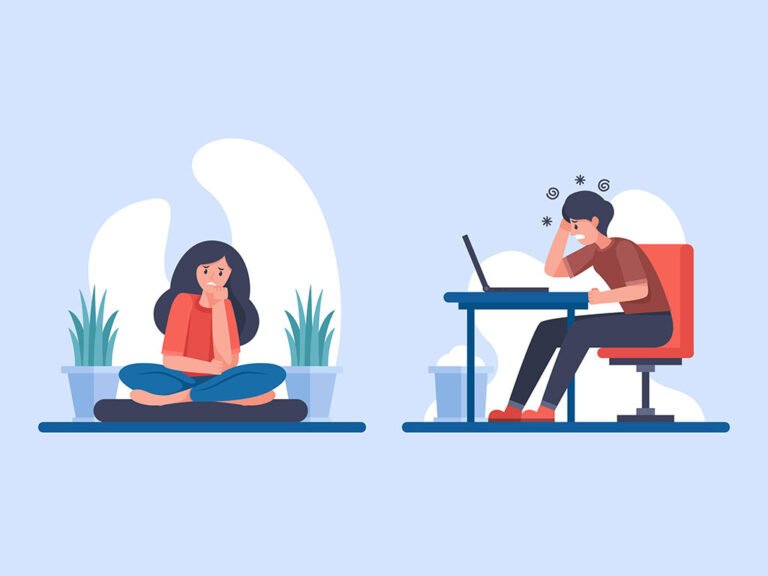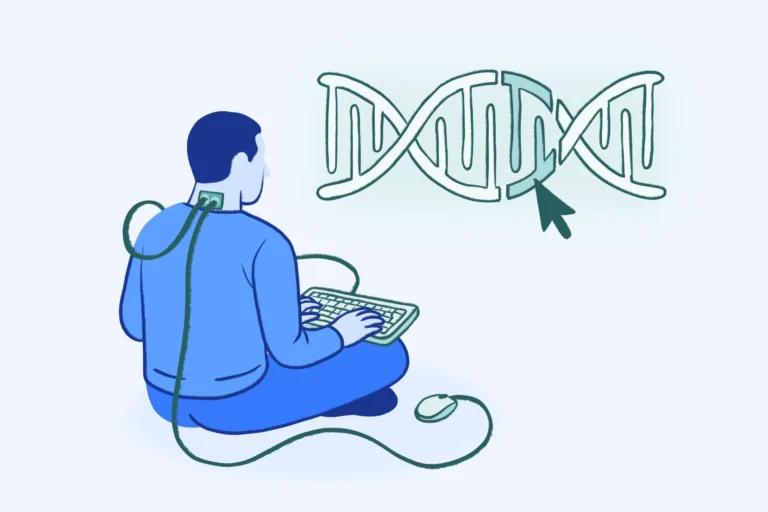
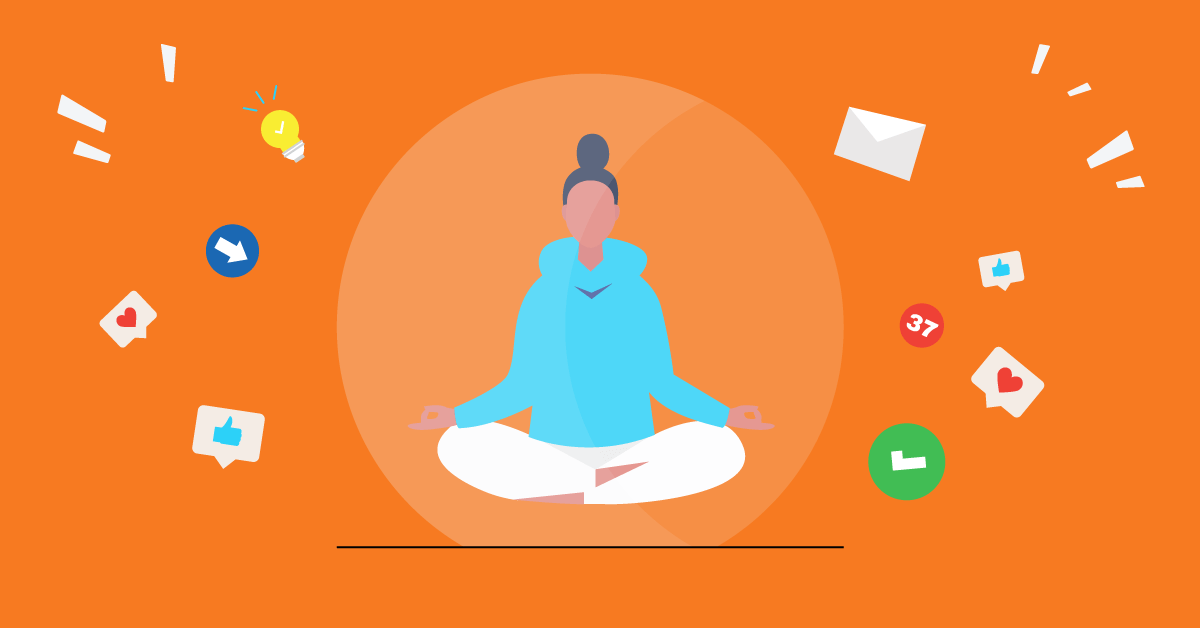
In our hyper-connected world, where screens are ever-present and notifications never stop, the notion of a digital detox has moved from a quirky trend to something many experts now suggest as a genuine form of self-care. By consciously stepping back from screens for a set period — say, seven days — you give your brain, your nervous system, and your habits a chance to reset. This article explores how a digital detox can rewire your brain, why seven days is a meaningful timespan, how to structure one effectively, and what you can expect afterwards.
Why Overthinkers Sleep Less — and How to Break the Cycle
What is a Digital Detox?
A digital detox refers to a deliberate period during which you significantly reduce or completely cease using digital devices — such as smartphones, tablets, computers — especially for activities like social-media scrolling, endless notifications, or engaging purely for habit rather than purpose.
Importantly, a digital detox isn’t necessarily about rejecting technology forever. Rather, it’s about interrupting entrenched patterns of compulsive screen use, giving your brain space to recalibrate, and re-evaluating your relationship with devices. Apogee Behavioral Medicine
Why choose seven days? While research on exact “optimal” durations is still evolving, one-week spans are frequently used in intervention studies (though with mixed outcomes) and are practically manageable for many people. A seven-day detox gives enough time to move past initial withdrawal, access deeper benefits, and gain insights into your digital habits.
The Screens, The Brain & The Habit Loop
Before delving into how a 7-day digital detox rewires your brain, it’s helpful to understand the mechanism of screen overuse and why it might matter.
Dopamine, reward & habitual checking
Each time you receive a notification, scroll social media, or check your phone “just in case,” your brain receives a small reward signal: a dopamine hit. Over time, this can establish a neural habit loop: cue (notification/urge) → action (check device) → reward (brief satisfaction). These loops reinforce screen-seeking behaviour.
While this isn’t identical to substance addiction, frequent screen use can hijack attention systems, reduce focus, and make distraction the default mode. For example:
- Heavy smartphone use has been linked to changes in attention span, sleep disturbances, and mood shifts.
- The constant availability of digital connectivity can place the nervous system in a quasi-constant “on” state — ready for chatter, alerts, or updates. Over time this can contribute to stress and cognitive fatigue.
Neural rewiring & cognitive fatigue
When we’re constantly distracted by screens, our brains receive fragmented input, shifting focus frequently (e.g., from message to app to feed to alert). This “task-switching” mode is inefficient: each context switch demands a little cognitive reset. Over time, this can hamper deep focus, creativity, memory consolidation and mental rest.
By contrast, stepping away from screens allows the pre-frontal cortex and associated networks involved in sustained attention, mindful awareness, and reflection to recover. Emerging studies suggest that even brief periods of minimal screen use can lead to increased attention span, improved mood, and reduced cognitive load. PubMed Central
In short: when you do a digital detox, you give your brain a chance to break the habit loop, recover from distraction overload, and restore more optimal wiring for sustained focus and calm.
The 7-Day Digital Detox Plan: Step-By-Step
Here’s a practical guide on how to structure a seven-day digital detox that stands a good chance of delivering meaningful benefits.
Day 0: Preparation & Commitment
- Define your goals: Are you doing this to reduce stress? Improve sleep? Enhance face-to-face relationships? Clarify your “why”.
- Inform relevant people: Let family, friends, or work contacts know you’ll be less reachable (or reachable via limited means) so you don’t create anxiety for yourself or others.
- Set boundaries: Decide exactly what “screens” means for you (smartphone, social media apps, computer usage, TV?) and what you will allow (e.g., essential calls or email only).
- Create a physical zone: Designate spaces or times for screen-free experience (e.g., dinner table, before bed, first hour waking).
- Remove triggers: Turn off push notifications, uninstall or hide social apps, or move your phone out of reach during designated times.
1-2: The First Shift
- Expect initial discomfort: the urge to check, the “what am I missing?” feeling, or boredom. This is normal. Indeed, studies show some participants in short digital detoxes experienced increased boredom.
- Focus on alternative activities: reading a physical book, walking, mindfulness/meditation, journaling, real-life conversations.
- Notice your internal state: Are you less distracted? More aware? Or more anxious? Observe without judgement.
3-5: Deeper Unplugging & Rewiring
- You’re past the novelty/resistance phase. This is where real 7-day digital detox benefits tend to emerge: more focus, calmer mind, clearer thoughts.
- Incorporate longer screen-free segments: e.g., a full afternoon, an evening, or maybe a full day.
- Use this time to reconnect with offline experiences: nature, movement, creative pursuits, personal reflection.
- Journal your thoughts: what you notice — about your mood, attention, relationships, sleep.
6-7: Reflection & Reintegration
- Reflect on changes: how does your brain feel? Are you less scattered? Do you feel more present?
- Decide what sustainable changes you’ll carry forward: after the 7-day digital detox, what habits will you keep? Screen-free morning? Notification-free evening? Weekly device-free afternoon?
- Re-introduce screens mindfully: avoid jumping straight back into old patterns of endless scrolling. Instead, use technology intentionally.
What Happens to Your Brain During a Digital Detox
Improved attention & deeper focus
When you eliminate the constant cues and distractions of screens, brain networks responsible for focus — especially the prefrontal cortex and dorsal attention network — get a chance to “rest” and rebuild. Reports suggest that digital detox interventions can sharpen focus and reduce distractibility. Cleveland Clinic
Improved sleep quality
Screens, especially in the evening, emit blue light which suppresses melatonin — the hormone that prepares your body for sleep. Overuse of screens before bed is linked to delayed sleep onset, poorer sleep quality and daytime fatigue. A digital detox allows your circadian rhythm to reset and supports more restful sleep.
Lower stress and better mood
Constant connectivity keeps our sympathetic nervous system (“fight/flight”) more active than ideal. Taking a break can reduce cortisol levels, calm the nervous system, enhance parasympathetic (“rest and digest”) functioning, and thus reduce anxiety or stress.
Enhanced social and personal connection
When you’re less glued to screens, you’re more present in real-life interactions: eye contact, deeper listening, genuine conversation. This supports emotional regulation, empathy, and richer relationships. A digital detox can foster these by redirecting attention away from virtual and back to real.
Re-wiring reward circuits
By reducing the frequency of small dopamine hits from notifications and scrolling, the brain can recalibrate. Over time, you may find that smaller, real-life rewards feel more satisfying and that your threshold for distraction-seek is lower. The brain’s reward pathways become less overloaded and more attuned to deeper, more sustainable forms of reward. GQ
What the Research Says: The Good, The Mixed & The Unknown
The good
- The review by American Academy of Pediatrics found that reducing screen/social media time rather than full abstinence tends to show more beneficial effects on well-being.
- Studies have documented improved sleep, improved relationships and reduced stress from digital detoxes.
- Early intervention research suggests promise: for example, structured interventions reduced anxiety and depressive symptoms among young adults during a digital detox.
The mixed / tricky
- A systematic literature review noted that many digital-detox studies have inconsistent definitions (duration, what counts as a detox) and measurement difficulties.
- Some short-term detoxes showed negligible change or even negative reactions (e.g., increased boredom, lower life satisfaction) depending on duration/context.
- The level of benefit often depends on individual differences: age, gender, digital usage habits, context, goals.
So what does that mean?
A 7-day digital detox can be beneficial, but it’s not guaranteed. Success depends on how well you plan it, how consistent you are, what baseline your usage is, and how you follow up afterwards. The research is evolving, but the trend is clear: less compulsive screen-time, more intentional usage = better outcomes.
Potential Risks & What to Watch For
- Social anxiety / FOMO: Some people feel anxious about missing out when they disconnect. That’s normal. Recognise that discomfort as part of the adjustment. (Studies show some participants felt more bored or anxious in the early days of detoxes.) News-Medical
- Work/communication issues: If your job or personal obligations depend on digital connectivity, ensure you plan boundaries and fallback communication methods.
- Relapse / “binge” behaviour after detox: One risk is doing a digital detox, then returning to old patterns with even greater intensity. That’s why the reintegration phase matters.
- Incomplete implementation: Half-measures (e.g., letting yourself constantly check for “just one thing”) can undermine the benefit because the brain’s reward loop remains active. A clearer boundary helps.
Sustaining After the 7-Day Digital Detox
A 7-day digital detox is a reboot, not a permanent ban. The true benefit comes when you carry forward new, better habits. Here are strategies:
- Set daily mini-detox windows: For instance: no screens for the first 30 minutes of your day; dinner time device-free; one-hour before bed screen-off.
- Use technology intentionally: Ask yourself: “Why am I picking up this device?” If the answer is “out of habit” rather than purpose, reconsider.
- Turn off non-essential notifications: Fewer cues = fewer triggers to check.
- Designate “screen-free zones”: e.g., your bedroom, mealtimes, walks, social gatherings.
- Track your usage and reflect: Many phones/apps offer screen-time dashboards. Use them not to shame, but to monitor and adjust.
- Alternate with analog activities: Reading print books, journaling, face-to-face conversation, outdoor time — these provide richer rewards and help maintain the recalibration from your digital detox.
- Schedule longer unplug intervals: Maybe one weekend a month or one evening a week completely device-free.
What to Expect During and After Your 7-Day Digital Detox
Days:-
1-2
- You might feel restless, bored, or anxious as the habitual loop of checking your phone is interrupted.
- You may notice your attention wandering more than usual or you might consciously crave watching, scrolling or engaging.
- You might feel disconnected — especially if you are used to constant digital social interaction.
3-5
- Gradually, you might start feeling calmer, less distracted, and more present.
- You may notice improved ability to focus on one task without jumping to your phone.
- Sleep may improve if you’ve reduced screen use before bed.
- Relationships may feel richer because you’re giving fuller attention to others (and they to you).
6-7
- You may feel a sense of clarity and control: “I can choose when to use my devices.”
- You may crave more real-world stimulation (offline hobbies, conversation, nature) rather than digital.
- You might identify specific screen-habits you had not noticed before.
After the detox
- You’ll (ideally) carry forward better habits. You’ll find yourself using devices more intentionally rather than reactively.
- Your brain may respond less to constant cue-action-reward loops, allowing deeper focus and presence.
- You may sleep better, feel less stressed, have richer relationships, and be more productive.
- You may find your baseline sense of wellbeing is higher when the constant fast-paced digital input is reduced.
Why 7 Days? Why Not 1 Day or 30 Days?
Different durations of digital detox serve different purposes. Here’s how to think about the 7-day timespan:
- 1 day is helpful as a micro-reset but may not be sufficient to break established habit loops or reach deeper rewiring.
- 7 days offers a sweet spot: enough time to move beyond initial withdrawal, to experience real shifts in focus/sleep/mood, yet not so long that it becomes unmanageable for many people.
- 30 days or more can be powerful but may require more planning, may clash with work/social obligations, and may produce diminishing returns if the core purpose is to recalibrate rather than escape.
Research indicates that the efficacy of digital detox depends on duration, scope (what is unplugged), and context. Some studies found meaningful improvements after two-week interventions. Meanwhile some one-week detoxes had mixed results.
Thus, a 7-day digital detox is a pragmatic and meaningful period that many people can commit to and derive benefit from.
Real-Life Stories: What People Report
- Many report improved sleep quality after limiting screen use before bed. (Blue light and constant alerting reduce melatonin release; less screen time = quicker sleep onset).
- People say they feel “more present” in social settings — less tempted to check their phone, more inclined to engage.
- Some discover they had more time than they thought: time freed from constant device checking leads to reading, walking, chatting, reflection.
- After experiencing a 7-day or weekend digital detox, many participants choose to make modifications: e.g., no phones at dinner, screen-free Sunday mornings.
- On the flip side: some users during the initial phase feel irritable, anxious, or unsure how to fill the “device gap” — hence the importance of planning alternative activities.
Frequently Asked Questions (FAQ)
Q1: Is a digital detox safe for everyone?
A: In general, yes — but context matters. If your work or health depends on constant digital connectivity, you’ll want to plan appropriately (e.g., designate emergency access). The goal isn’t unrealistic “never use screens” but mindful and intentional usage.
Q2: Can I do less than 7 days and still benefit?
A: Absolutely. Even shorter breaks (weekend, one full day, several hours) can produce benefits in terms of attention and calm. But the deeper rewiring tends to emerge over a longer sustained break (like 7 days) when the brain has time to move beyond initial adaptation.
Q3: Will a digital detox make me addicted to devices again once I return?
A: That’s a risk — the return to digital usage must be conscious. If you finish the digital detox but revert to old habits immediately, many of the gains will fade. That’s why a plan for “after” is critical: carry forward healthier habits, set boundaries, and use devices with intention.
Q4: Does it mean I have to give up all screens forever?
A: No. The aim of a digital detox isn’t tech prohibition but giving yourself space to recalibrate and then use tech on your terms. Many people return to normal usage— but with more awareness and control.
Q5: What if I use screens for work or essential communication?
A: Then be strategic: during the 7-day digital detox, you can still allow essential usage but reduce non-essential usage. For example, permit work email at set times, but avoid social-media scrolling. The key is to reduce the habitual, reactive, mindless screen checking.
Q6: What if after day 3 or 4 I still feel distracted and don’t see much change?
A: That’s not uncommon. The mid-phase (days 3-5) is where the real work happens and benefits may feel subtle. Continue with your plan. The changes in brain-wiring and habits often become more obvious in days 6-7 and afterwards.
Conclusion
In a world where screens dominate much of our waking lives, the concept of a digital detox has become both timely and potent. A 7-day digital detox offers a realistic, meaningful timeframe to step away from device-driven distraction, interrupt habitual neural loops, give your brain room to recover, and rediscover a more intentional relationship with technology.
Over the course of these seven days, you may experience improved focus, better sleep, calmer nerves, richer real-life interactions, and a clearer sense of control over your digital habits. The neuro-cognitive shift is less dramatic than an overnight transformation, but rather a gradual recalibration: your brain begins to trust slower rhythms, deeper focus, and fewer interruptions. On a practical level, you might notice you don’t instinctively reach for your phone, your mind wanders less, your conversations get more depth, and your downtime becomes genuinely restorative.
Of course, the science of digital detox is evolving: full abstinence doesn’t always guarantee better well-being, and outcomes depend on individual context, habits, and follow-through. But the consistent theme across research and practice is this: less reactive screen time + more deliberate presence = better mental, emotional, and cognitive health.
Finally, remember: the 7-day digital detox isn’t just a one-off. It’s a launchpad for sustained change. The real rewiring happens when you, after day 7, choose differently: you use devices with intention, you protect your attention, you carve out screen-free spaces and times, and you prioritize analog, face-to-face, reflective living.