In our hyper-connected world of 2026, constant notifications, social media feeds, and screen time contribute to heightened stress, anxiety, and emotional fatigue. A Digital Detox—intentionally reducing or temporarily eliminating digital device use—offers a powerful way to restore emotional wellness. By stepping away from screens, individuals often experience reduced anxiety, improved mood, better focus, and stronger real-life connections.
Recent studies, including meta-analyses and cohort research, show that even short Digital Detox periods can significantly lower depressive symptoms and enhance subjective well-being. For instance, limiting social media use has been linked to decreased depression, with some interventions showing notable improvements in emotional regulation and stress reduction. Prioritizing a Digital Detox helps counteract the dopamine-driven cycle of endless scrolling, allowing space for mindfulness, self-reflection, and genuine human interaction.
This comprehensive guide provides practical Digital Detox tips to unplug effectively, drawing from evidence-based strategies to boost emotional wellness in a high-stress digital era.
How Late-Night Snacks Affect Your Sleep (And What to Eat Instead)
Why a Digital Detox Matters for Emotional Wellness
Excessive digital engagement overloads the brain, leading to fragmented attention, comparison-induced low self-esteem, and disrupted sleep—all eroding emotional balance. A Digital Detox counters these effects by promoting cognitive restoration and emotional regulation.
Research highlights that Digital Detox practices reduce stress and foster mindfulness, contributing to greater life satisfaction and purpose. In 2026, with rising awareness of tech’s mental health impact, adopting Digital Detox habits becomes essential for sustainable emotional wellness.
Understanding the Benefits of a Digital Detox
A well-executed Digital Detox yields measurable gains in emotional health. Studies show reductions in anxiety and depression symptoms after short breaks, with participants reporting lower stress and improved mood. Benefits include enhanced self-reflection, better emotional control, and more fulfilling offline relationships.
Regular Digital Detox periods support eudaimonic well-being—living with purpose and autonomy—by freeing mental space from constant stimuli.
Common Challenges During a Digital Detox
Initial withdrawal symptoms like boredom, FOMO (fear of missing out), or restlessness are normal during a Digital Detox. Many feel anxious without devices, but these fade as replacement activities build.
Addressing these challenges makes a Digital Detox sustainable and rewarding for long-term emotional wellness.
Digital Detox Tip 1: Start Small with Gradual Reductions
Ease into a Digital Detox by setting realistic limits rather than going cold turkey. Begin with 30-60 minutes device-free daily, gradually increasing to full evenings or weekends.
This approach minimizes resistance and builds momentum, allowing emotional benefits like reduced anxiety to emerge naturally.
Digital Detox Tip 2: Turn Off Non-Essential Notifications
Notifications fuel constant interruption and stress. During a Digital Detox, disable all but critical alerts to reclaim focus and calm the nervous system.
This simple change significantly lowers emotional overload and supports better mood regulation.
Digital Detox Tip 3: Create Tech-Free Zones and Times
Designate bedrooms, mealtimes, or living areas as device-free during a Digital Detox. Establish routines like no screens after 9 PM to improve sleep and emotional recovery.
These boundaries foster presence and deeper connections, enhancing overall wellness.
Digital Detox Tip 4: Replace Screen Time with Mindful Activities
Fill Digital Detox gaps with fulfilling alternatives: reading, walking in nature, journaling, or hobbies. These promote mindfulness and self-reflection, key to emotional resilience.
Engaging in creative or physical pursuits during a Digital Detox boosts endorphins and reduces negative rumination.
Digital Detox Tip 5: Practice Mindfulness and Gratitude
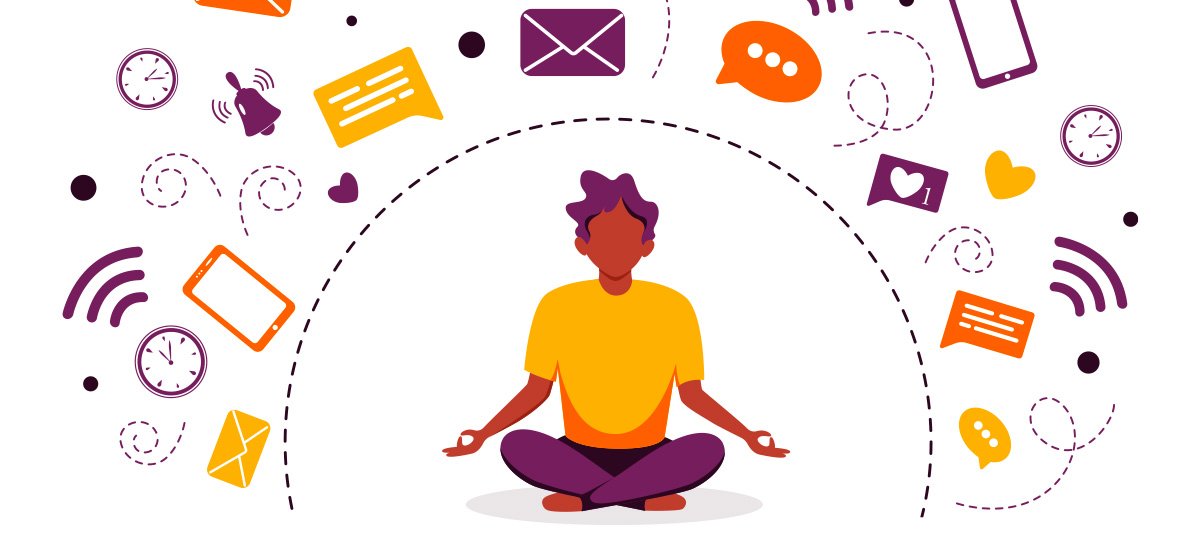
Incorporate meditation or gratitude journaling into your Digital Detox routine. These practices heighten awareness of thoughts and emotions without digital distractions.
Mindfulness during a Digital Detox strengthens emotional control and cultivates contentment.
Digital Detox Tip 6: Build Real-Life Social Connections
Use Digital Detox time to nurture in-person relationships through calls, meetups, or shared activities. Meaningful interactions release oxytocin and combat isolation.
Strengthening bonds offline during a Digital Detox profoundly supports emotional wellness.
Digital Detox Tip 7: Track Progress and Reflect Regularly
Journal feelings before, during, and after Digital Detox periods to note improvements in mood, energy, and clarity. Reflection reinforces positive changes.
Tracking helps tailor your Digital Detox approach for ongoing emotional benefits.
For evidence-based guidance, explore resources from reputable sources like the Harvard T.H. Chan School of Public Health on digital media and well-being or Mayo Clinic’s tips on managing screen time. Additional insights from American Psychological Association topics on technology and stress.
How to Make Digital Detox a Sustainable Habit
Integrate Digital Detox elements daily: weekly unplug days, mindful tech use, and periodic longer breaks. Consistency yields compounding emotional wellness gains.
Conclusion
Embracing Digital Detox tips in 2026 empowers you to reclaim emotional wellness from constant connectivity. By unplugging intentionally—through gradual reductions, boundaries, mindful replacements, and real connections—you reduce stress, enhance mood, and foster deeper self-awareness. Start small, stay consistent, and experience the profound calm and clarity a Digital Detox brings. For persistent emotional challenges, combine these habits with professional support.
FAQs
What is a Digital Detox and why is it important for emotional wellness?
A Digital Detox involves intentionally reducing or pausing digital device use to alleviate stress and improve mental health. It helps restore emotional balance by minimizing overstimulation and promoting presence.
How long should a beginner’s Digital Detox last?
Start with 30-60 minutes daily or one tech-free evening per week. Gradually extend to full days for stronger emotional benefits.
Does a Digital Detox really reduce anxiety and improve mood?
Yes—studies show short Digital Detox periods significantly lower anxiety and depressive symptoms while boosting mood and well-being.
What should I do if I feel anxious during a Digital Detox?
Replace urges with calming activities like walking, breathing exercises, or talking to friends. Symptoms typically ease within days.
Can I still use technology during a Digital Detox?
Yes—focus on mindful, purposeful use (e.g., essential communication) while limiting recreational scrolling for emotional gains.
How often should I do a Digital Detox?
Incorporate daily mini-detoxes and weekly longer breaks for sustained emotional wellness.
Best Magnesium-Rich Foods for Better Mood and Energy in 2026