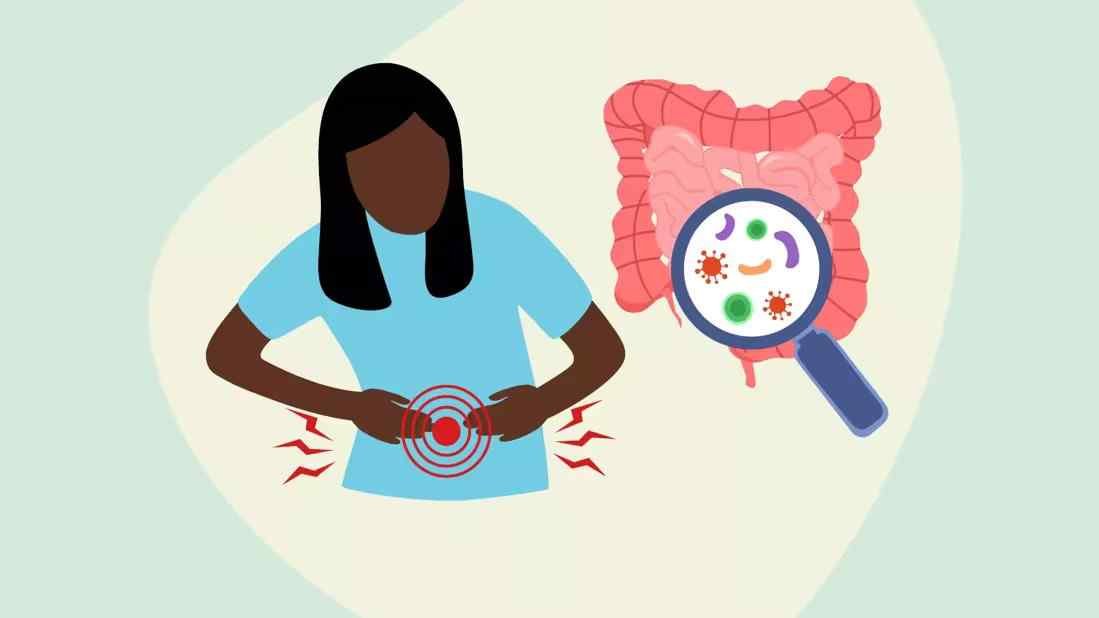
What to Eat When You Have Food Poisoning (Diet Guide for Fast Recovery)
Food poisoning is one of those sudden and unwelcome health issues that can turn your day upside down. It usually hits fast—nausea, diarrhea, stomach cramps, sometimes vomiting—and leaves you drained of energy. While most cases improve within a few days, following the right food poisoning diet can make a huge difference in how quickly and comfortably you recover.
This guide breaks down exactly what to eat, what to avoid, and when to eat it. We’ll also cover the best drinks for hydration, a step-by-step recovery timeline, and practical recipes you can use to support your body while it heals.
What to Eat in the First 24 Hours After Food Poisoning
The first 24 hours are the toughest because your body is working hard to flush out the harmful bacteria or toxins. As a result, you may experience vomiting and diarrhea.. During this stage, the best approach to a food poisoning diet is to avoid solid foods and focus instead on clear fluids that keep you hydrated without stressing your stomach.
Instead, focus on hydration and rest:
- Sip clear fluids: plain water, coconut water, clear broth.
- Take tiny sips often rather than gulping—this reduces nausea.
- Try sucking on ice chips if water feels heavy.
- Avoid solid foods until vomiting slows.
💡 Tip: If you feel extremely weak, add an oral rehydration solution (ORS) to replace electrolytes.
The Food Poisoning Recovery Timeline: What to Eat and When
Recovering from food poisoning is not about eating whatever you want the moment you feel a little better. Your gut needs a gradual reintroduction of foods.
Here’s the diet timeline:
- Day 1: Clear fluids only (water, coconut water, broth, ORS).
- Day 2: Introduce BRAT foods (bananas, rice, applesauce, toast).
- Day 3: Add bland carbs and soft vegetables (oatmeal, boiled potatoes, steamed carrots).
- Day 4: Include lean protein (chicken, fish, turkey, eggs).
- Day 5+: Restore gut health with probiotic-rich foods (yogurt, kefir, miso soup).
Stage 1: Fluids Only (Hydration Phase)
Dehydration is the biggest danger during food poisoning. In fact, vomiting and diarrhea flush out water, sodium, and potassium quickly. Therefore, replacing them should be your first step in a proper food poisoning diet.
The 5 Best Drinks for Food Poisoning Recovery (Besides Water)
- Coconut Water – A natural electrolyte drink with potassium and sodium.
- Clear Broth (chicken or vegetable) – Replaces both fluids and minerals.
- Oral Rehydration Solution (ORS) – Balanced mix of sugar, salt, and water.
- Herbal Teas – Ginger tea reduces nausea, chamomile soothes cramps, peppermint relaxes digestion.
- Ice Chips – A gentle way to hydrate when drinking feels impossible.
How to Make a Natural Electrolyte Drink at Home
You don’t always need store-bought solutions. A homemade ORS works just as well.
Recipe:
- 1 liter clean water
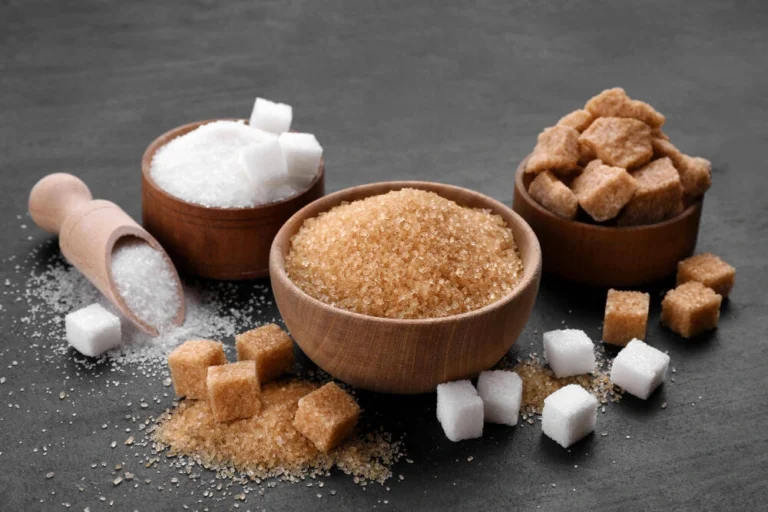
- 6 teaspoons sugar
- ½ teaspoon salt
- Optional: squeeze of lemon or a splash of orange juice for flavor and potassium
Sip slowly throughout the day to stay hydrated.
What to Drink After Vomiting: A Guide to Staying Hydrated
After vomiting, your stomach is sensitive. The wrong drink can trigger nausea again. Follow this order:
- Start with ice chips.
- Move to tiny sips of plain water (every 10–15 minutes).
- Add broth or coconut water once vomiting has stopped.
- Gradually reintroduce herbal teas or ORS.
❌ Avoid coffee, alcohol, sodas, or energy drinks at this stage.
Stage 2: BRAT Diet (Bland & Gentle Foods)
Once vomiting eases, it’s time to introduce the BRAT diet, a simple plan that doctors have recommended for decades.
- B – Bananas: High in potassium, easy to digest, gentle on the stomach.
- R – Rice (white, plain): Starchy, helps firm up stool, provides quick energy.
- A – Applesauce: Contains pectin to reduce diarrhea.
- T – Toast (plain, dry): Simple carbs that settle the stomach.
The First 6 Foods to Try When You Can Finally Eat Again
When you’re ready to eat solids, start with these six foods:
- Bananas – potassium replacement.
- White Rice – mild and filling.
- Applesauce – soothing and light.
- Toast or Crackers – bland carbs, easy on digestion.
- Oatmeal – warm, soft, and comforting.
- Boiled Potatoes – plain starch with potassium.
👉 Eat in small portions. If one food doesn’t sit well, wait a few hours before trying again.
Stage 3: Expanding to Soft Carbs & Vegetables
By day 3, you can introduce more variety while still keeping foods bland and gentle.
Carbohydrates
- Rice Porridge / Congee – a soft, soupy meal that hydrates.
- Mashed Potatoes – without butter or cream.
- Sweet Potatoes – slightly sweeter but still mild.
Vegetables
- Steamed Carrots – easy to digest, adds vitamins.
- Pumpkin or Squash – soft and soothing.
- Zucchini – light and hydrating.
❌ Skip raw salads or fibrous veggies—they’re too rough on your gut.
Stage 4: Adding Protein (Lean & Easy-to-Digest)
Protein is essential for healing, but heavy meats will overwhelm your stomach. Choose light proteins:
- Boiled Chicken Breast – plain, skinless, no spices.
- Turkey – another lean and mild choice.
- White Fish (cod, haddock, tilapia) – baked or steamed.
- Eggs (boiled or soft scrambled) – packed with nutrients, easy on digestion.
Avoid red meat, fried foods, and anything heavily seasoned.
Stage 5: Restoring Gut Health
Food poisoning often disrupts your gut bacteria. To restore balance, add probiotics once you’re stable.
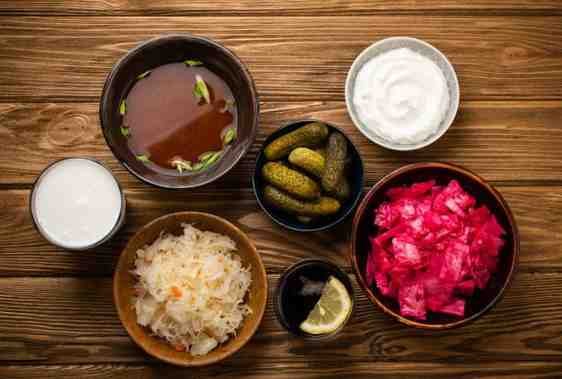
- Plain Yogurt with Live Cultures
- Kefir (fermented milk drink)
- Miso Soup
- Sauerkraut or Kimchi (small portions only)
Probiotics help prevent long-term digestive issues and boost immunity.
Foods to Avoid During Food Poisoning
During recovery, stay away from foods that strain digestion:
- Dairy products (milk, cheese, cream)
- Fried or fatty foods
- Spicy dishes
- Raw vegetables & salads
- Caffeinated drinks (coffee, black tea, energy drinks)
- Sugary drinks (sodas, juices)
- Alcohol
Sample 5-Day Food Recovery Plan
Here’s a practical meal roadmap:
Day 1:
- Water, coconut water, ORS
- Clear broth
- Herbal teas
Day 2:
- Banana + toast (breakfast)
- Rice + applesauce (lunch)
- Crackers + ginger tea (snack)
- Oatmeal (dinner)
Day 3:
- Oatmeal with banana (breakfast)
- Rice porridge with steamed carrots (lunch)
- Applesauce (snack)
- Mashed potatoes with zucchini (dinner)
Day 4:
- Soft scrambled egg + toast (breakfast)
- Steamed chicken + rice (lunch)
- Yogurt with probiotics (snack)
- Baked fish with mashed potatoes (dinner)
Day 5:
- Balanced meals with carbs, protein, and cooked veggies
- Add probiotic foods like kefir or miso soup
- Continue hydration
Nutritional Tips for Faster Recovery
- Eat small meals frequently, not heavy plates.
- Replace electrolytes with potassium-rich foods (bananas, potatoes).
- Add protein gradually for healing.
- Include probiotics to restore gut health.
- Avoid “comfort junk food”—it will only make things worse.
Conclusion
Recovering from food poisoning is all about gentle eating and hydration. In the first 24 hours, stick to fluids only. Then, follow the BRAT diet, expand into bland carbs and vegetables, add lean protein, and finally restore gut health with probiotics.
Remember: what you eat can either delay recovery or speed it up. Stick with mild, easy-to-digest foods, and within a few days you’ll be back to normal.
❓Frequently Asked Questions
1. What should I eat immediately after food poisoning?
Start with clear fluids like water, coconut water, or broth. Once vomiting stops, move to bland foods such as bananas, rice, applesauce, and toast.
2. Can I drink milk after food poisoning?
It’s best to avoid milk and dairy for a few days, as they can upset your stomach and make diarrhea worse.
3. How long should I follow the food poisoning diet?
Most people need 3–5 days of bland foods before returning to a normal balanced diet. Listen to your body and reintroduce foods slowly.
4. Are bananas good for food poisoning?
Yes, bananas are rich in potassium and easy to digest, making them ideal for restoring lost electrolytes.
5. What drinks help with food poisoning?
Coconut water, clear broths, oral rehydration solution (ORS), and herbal teas like ginger or chamomile are the best options.
6. When can I eat normal food again after food poisoning?
Usually after 4–5 days, once nausea and diarrhea have stopped. Start with lean proteins and cooked vegetables before eating spicy or fried foods again.
7. Is rice good for food poisoning recovery?
Yes, plain white rice is gentle, starchy, and helps firm up stools while providing energy.
8. Should I avoid caffeine during food poisoning recovery?
Yes. Coffee, black tea, and energy drinks can worsen dehydration and irritate your stomach.
9. Do probiotics help after food poisoning?
Yes, foods like yogurt, kefir, and miso can restore healthy gut bacteria and speed up recovery.
10. When should I see a doctor for food poisoning?
Seek medical help if you have high fever, bloody diarrhea, severe dehydration, or symptoms lasting longer than 3–4 days.
Eating in sync with your body clock doesn’t just help your stomach — it also supports a calmer, more focused mind. If you want to explore more ways to care for your mental wellbeing, check out our full guide on practical tips for better mental health.
For more tips and support, visit our Facebook page.