Introduction: Why the Gut-Brain Connection Matters
Have you ever had “butterflies in your stomach” before a big presentation or felt your mood dip after eating junk food?
That’s your gut-brain connection at work — a two-way communication system between your digestive system and your brain that influences everything from mental health to sleep quality.
Modern science now shows that the gut isn’t just a digestive organ; it’s a second brain. Housing over 100 trillion microbes, your gut microbiome communicates with your nervous system, producing key neurotransmitters like serotonin and dopamine — the same chemicals that regulate mood, focus, and emotional well-being.
Let’s explore how nutrition shapes this connection and how you can optimize your gut-brain axis for better mood, sharper focus, and restorative sleep.
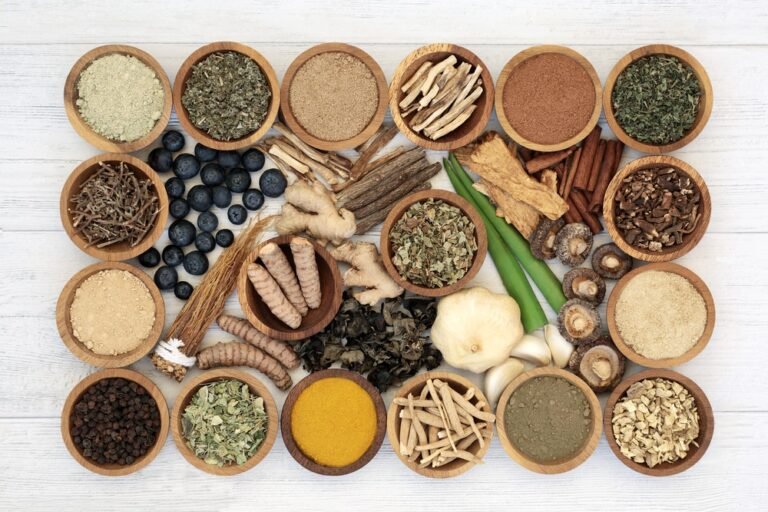
Adaptogens 101: The Ancient Herbs Modern Nutritionists Love
What Is the Gut-Brain Connection?
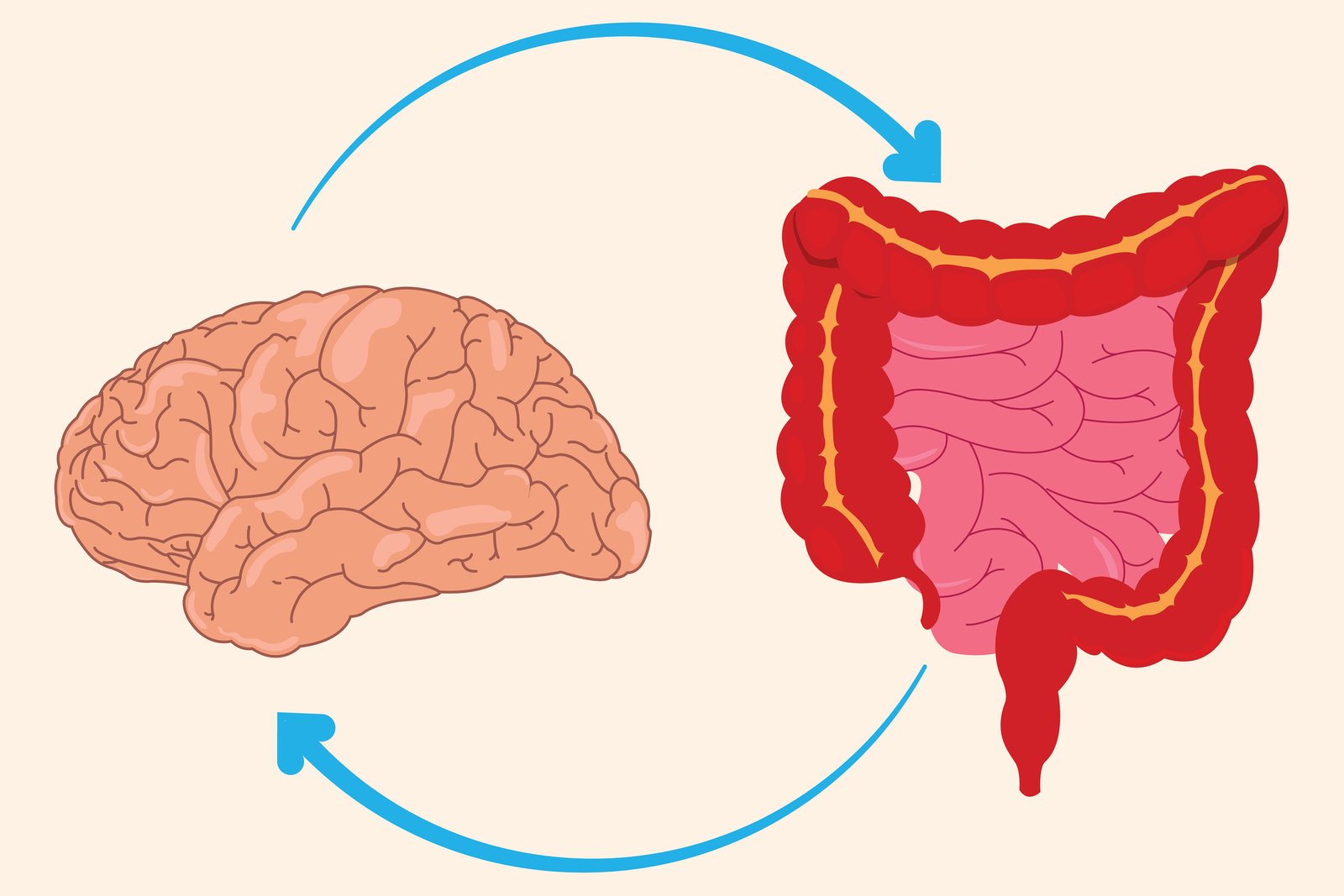
The gut-brain connection refers to the communication network linking your gastrointestinal tract and central nervous system. This relationship is powered by the vagus nerve and supported by the enteric nervous system (ENS) — often called the body’s “second brain.”
This communication happens in both directions:
- The brain sends signals that affect digestion, appetite, and inflammation.
- The gut sends messages to the brain that influence mood, stress response, and cognition.
When your gut is balanced, this communication promotes calm, clarity, and stability. But when it’s disrupted — due to poor diet, stress, or inflammation — it can trigger mood disorders, anxiety, fatigue, and sleep problems.
In short: what happens in your gut doesn’t stay in your gut. It directly affects how you think, feel, and function.
Harvard Health Publishing — “The Gut-Brain Connection”
The Gut Microbiome: The Hidden Hero of Mental Wellness
Your gut microbiome — the ecosystem of bacteria, fungi, and microorganisms living in your intestines — plays a central role in maintaining the gut brain connection.
🧠 Neurotransmitter Production
About 90% of serotonin (the “feel-good” hormone) is produced in the gut. Gut microbes also influence levels of GABA (for calm), dopamine (for motivation), and melatonin (for sleep).
When your microbiome is healthy, neurotransmitter production stays balanced — supporting mental clarity and emotional stability.
⚖️ Inflammation Control
A healthy gut lining acts as a barrier against toxins and pathogens. When this barrier becomes “leaky” (a condition known as leaky gut syndrome), it allows inflammatory molecules to enter the bloodstream, which can disrupt brain chemistry and increase anxiety, brain fog, and depression risk.
🌱 Immune Regulation
Over 70% of the immune system resides in the gut. Balanced gut bacteria train your immune system to respond appropriately — not too weak, not too aggressive. Chronic inflammation from poor gut health can lead to mental fatigue and sleep disturbances.
The Gut-Brain Connection and Mood
1. Depression and Anxiety
Recent studies have shown a strong link between gut microbiota diversity and mental health. A 2024 review published in Nature Reviews Neuroscience found that individuals with depression had lower levels of beneficial bacteria such as Lactobacillus and Bifidobacterium.
Probiotics and prebiotics — known as psychobiotics — can restore microbial balance, helping reduce symptoms of anxiety and depression.
Key takeaway: Improving your gut brain connection can support serotonin balance, reduce inflammation, and enhance emotional stability naturally.
2. Focus and Cognitive Performance
Your gut doesn’t just affect mood — it impacts mental clarity and concentration. Short-chain fatty acids (SCFAs), produced when gut bacteria ferment fiber, support brain energy metabolism and improve cognitive function.
Research in Frontiers in Human Neuroscience (2025) shows that gut health influences the prefrontal cortex — the part of your brain responsible for decision-making and attention.
Pro tip: Eating a fiber-rich diet packed with whole grains, vegetables, and fermented foods enhances your gut’s ability to fuel focus.
3. Sleep and the Gut-Brain Axis
Your gut brain connection also plays a major role in sleep quality. Gut bacteria help regulate melatonin production, the hormone that governs your sleep-wake cycle.
When your microbiome is out of balance, melatonin synthesis drops, leading to insomnia or poor sleep quality.
A study in Sleep Medicine Reviews (2024) found that people with diverse gut bacteria had better sleep efficiency and longer deep sleep phases.
Try this: A light dinner rich in magnesium and prebiotics (like oats, bananas, or flaxseeds) can nourish your microbiome and promote relaxation.
Top Foods to Strengthen the Gut-Brain Connection
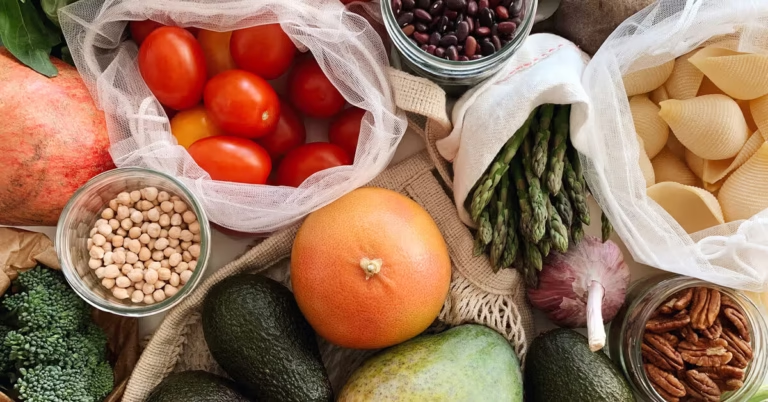
🥦 1. Prebiotic-Rich Foods
Prebiotics are dietary fibers that feed your good gut bacteria.
Examples:
- Garlic
- Onions
- Bananas
- Asparagus
- Oats
- Flaxseeds
Regularly consuming prebiotic foods supports a healthy microbiome, improving neurotransmitter balance and strengthening the gut brain connection.
🥛 2. Probiotic Foods
Probiotics are live bacteria that help restore microbial balance.
Examples:
- Yogurt (dairy or plant-based)
- Kefir
- Kimchi
- Sauerkraut
- Miso
- Tempeh
Tip: Include at least one fermented food in your daily meals for optimal gut brain connection support.
🥬 3. Polyphenol-Rich Foods
Polyphenols are plant compounds that act as antioxidants and feed beneficial gut bacteria.
Examples:
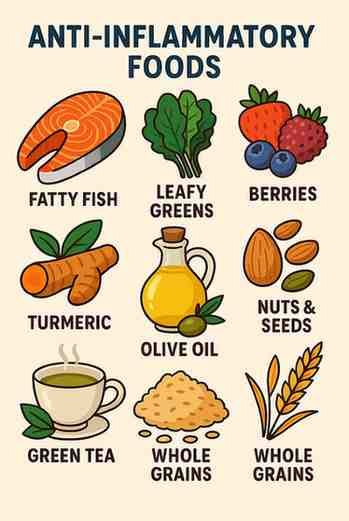
- Berries
- Green tea
- Cocoa
- Olive oil
- Broccoli
These foods enhance blood flow to the brain and reduce inflammation — two key aspects of the gut-brain axis.
🍠 4. Omega-3 Fatty Acids
Omega-3s found in flaxseeds, chia seeds, walnuts, and algae oil help strengthen brain cell membranes and support anti-inflammatory pathways.
Research links omega-3 intake with improved gut brain connection and reduced anxiety.
🚫 5. Avoid Gut-Disrupting Foods
Certain foods can damage your microbiome and weaken the gut brain connection, including:
- Processed sugar and refined carbs
- Artificial sweeteners
- Excess alcohol
- Trans fats
- Highly processed foods
Eliminating these from your diet can help your gut and brain reconnect and function in harmony.
Lifestyle Habits That Support the Gut-Brain Connection
🧘♀️ 1. Manage Stress
Chronic stress suppresses beneficial gut bacteria. Incorporating mindfulness, meditation, or yoga helps regulate the stress response and balance your gut brain connection.
💤 2. Prioritize Sleep
Poor sleep can disrupt your microbiome’s rhythm. Stick to consistent sleep hours and avoid screens before bed to regulate melatonin production.
🚶 3. Stay Active
Moderate exercise enhances gut diversity and supports communication between the gut and brain. Activities like walking, cycling, or dancing can all strengthen the gut brain connection.
☀️ 4. Get Sunlight
Exposure to natural light helps balance circadian rhythms and improves gut microbiota composition, especially when combined with good nutrition.
💧 5. Stay Hydrated
Water supports digestion and nutrient absorption — essential for a well-functioning microbiome.
The Science Behind the Gut-Brain Connection (2025 Update)
Recent research continues to highlight how intertwined gut health is with brain function:
- A 2025 NIH study found that individuals with high gut diversity performed better on memory and problem-solving tests.
- Stanford University research linked probiotics to reduced anxiety levels within four weeks of dietary intervention.
- Harvard Health (2024) emphasized that improving gut flora can lower inflammation markers tied to depression and fatigue.
Science is clear: nurturing your gut brain connection is one of the most effective ways to enhance mood, cognition, and sleep without medication.
Sample Day of Gut-Brain Nutrition
| Meal | Foods | Gut-Brain Benefits |
|---|---|---|
| Breakfast | Oatmeal with flaxseeds, blueberries, and almond butter | Prebiotics + polyphenols + omega-3s |
| Lunch | Quinoa salad with chickpeas, olive oil, and greens | Fiber + antioxidants + healthy fats |
| Snack | Coconut yogurt with walnuts | Probiotics + omega-3s |
| Dinner | Tempeh stir-fry with vegetables and garlic | Probiotics + prebiotics |
| Evening | Chamomile tea | Calms nervous system, aids melatonin release |
Eating like this not only nourishes your gut but also reinforces your gut brain connection, resulting in better focus, happier moods, and sounder sleep.
Gut Health and Sleep: The Forgotten Link
When your gut is inflamed or imbalanced, it can disrupt melatonin and cortisol production — hormones essential for sleep and stress management.
To improve both sleep and gut health:
- Eat lighter dinners
- Avoid caffeine after 2 PM
- Include probiotic-rich foods at lunch
- Limit alcohol
- Maintain consistent meal timing
Your gut operates on a circadian rhythm too — syncing your meals with daylight supports the gut brain connection and improves sleep depth.
FAQs About the Gut-Brain Connection
1. How long does it take to improve the gut brain connection?
With consistent dietary changes and probiotic intake, improvements can be noticed in 2–4 weeks, but deeper changes to microbiome diversity can take up to 3 months.
2. Can probiotics improve mood?
Yes. Research shows certain probiotic strains (like Lactobacillus rhamnosus and Bifidobacterium longum) can reduce anxiety and depressive symptoms.
3. Does stress really affect gut health?
Absolutely. Stress hormones like cortisol alter gut permeability and microbial balance, weakening the gut brain connection over time.
4. Can improving my gut help me sleep better?
Yes — a healthier gut produces more melatonin and serotonin, both crucial for regulating your sleep cycle.
5. Should I take supplements for gut health?
Whole foods are best, but probiotic and prebiotic supplements can be helpful under professional guidance — especially if your diet lacks variety.
Conclusion: Nourish Your Gut, Heal Your Mind
Your gut and brain are constantly talking — and what you feed your gut shapes that conversation.
By embracing a diet rich in whole, plant-based, and fermented foods, you can strengthen the gut brain connection, reduce inflammation, and enhance emotional and cognitive balance.
Better mood, sharper focus, and deeper sleep all start in the same place — your gut.
Feed it well, and your brain will thank you.
Chronotypes Explained: Are You a Lion, Bear, Wolf, or Dolphin?