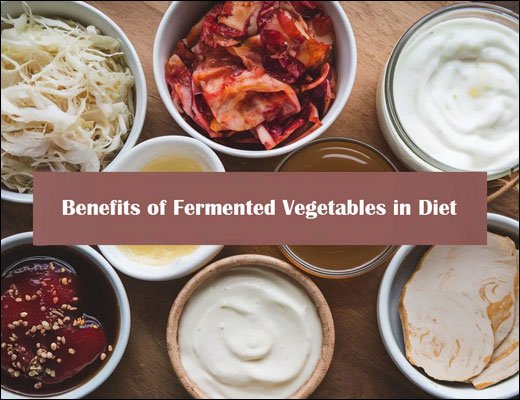

Maintaining optimal Gut Health is foundational to overall wellness in 2026, as the gut microbiome influences digestion, immunity, mood, and even metabolic function. A diverse and balanced microbiome thrives on nutrient-rich foods that provide prebiotics (to feed beneficial bacteria), probiotics (live beneficial microbes), and anti-inflammatory compounds. Incorporating Gut Health superfoods naturally supports microbial diversity, reduces inflammation, and promotes better nutrient absorption without relying on supplements.
Evidence from sources like Harvard T.H. Chan School of Public Health, Mayo Clinic, and recent studies emphasizes that a plant-heavy diet with fermented foods and fiber sources fosters a resilient microbiome. By focusing on easy-to-include Gut Health superfoods, you can enhance microbiome balance through everyday meals.
How Late-Night Snacks Affect Your Sleep (And What to Eat Instead)
Why Gut Health Superfoods Matter for Your Microbiome
The gut microbiome consists of trillions of microbes that aid digestion, produce vitamins, regulate inflammation, and support the gut-brain axis. Poor diversity links to issues like bloating, low energy, and weakened immunity, while a thriving microbiome from Gut Health superfoods improves these areas.
Prebiotic fibers feed good bacteria, probiotics introduce them, and polyphenols/antioxidants protect them. Prioritizing whole-food Gut Health superfoods offers synergistic benefits beyond isolated supplements.
Top Gut Health Superfoods to Boost Your Microbiome
Here are evidence-based Gut Health superfoods, with approximate benefits and serving ideas.
1. Fermented Foods Like Yogurt and Kefir: Probiotic Powerhouses for Gut Health
Yogurt (with live cultures) and kefir deliver probiotics like Lactobacillus and Bifidobacterium strains. These support microbiome diversity, reduce inflammation, and aid digestion.
Plain Greek yogurt or kefir provides billions of CFUs per serving. Add berries for prebiotics.
2. Sauerkraut and Kimchi: Fermented Veggies for Diverse Gut Health
These cabbage-based ferments offer Lactobacillus and other strains, plus fiber. Kimchi’s spices add anti-inflammatory benefits.
A small daily serving (1-2 tbsp) enhances microbial variety and supports immunity.
3. Kombucha: A Fizzy Probiotic Drink for Gut Health
Fermented tea with live cultures and polyphenols. Low-sugar versions boost beneficial bacteria.
Sip 4-8 oz daily for microbiome support and gentle energy.
4. Garlic and Onions: Prebiotic-Rich Foods for Gut Health
High in inulin and FOS, feeding Bifidobacteria and Lactobacilli. They promote SCFA production for gut lining health.
Add raw or cooked to meals for natural prebiotic boost.
5. Leafy Greens (Spinach, Kale): Fiber-Packed for Gut Health
Rich in insoluble fiber and unique sugars fueling good bacteria. They support regularity and microbial growth.
Aim for 2+ cups daily in salads or smoothies.
6. Bananas and Apples: Accessible Prebiotic Fruits for Gut Health
Greenish bananas and apples contain resistant starch and pectin. These feed bacteria and stabilize blood sugar.
Eat 1-2 daily, skin-on apples for max fiber.
7. Oats and Barley: Whole Grains Supporting Gut Health
Beta-glucan fiber ferments into SCFAs, reducing inflammation.
Start day with oatmeal for sustained microbiome nourishment.
8. Legumes (Beans, Lentils, Chickpeas): Protein + Prebiotics for Gut Health
High fiber feeds bacteria; introduce gradually to avoid gas.
Add to soups or salads for plant-based protein and diversity.
9. Asparagus and Leeks: Vegetable Prebiotics for Gut Health
Inulin content promotes beneficial strains like Faecalibacterium.
Roast or steam for easy incorporation.
10. Nuts and Seeds (Almonds, Chia, Flax): Fiber and Omega-3s for Gut Health
Provide prebiotics and anti-inflammatory fats supporting barrier function.
Handful daily as snacks or toppings.
For more on microbiome-supporting foods, see Harvard T.H. Chan School of Public Health – The Microbiome. Additional insights from Mayo Clinic – Probiotics and Prebiotics. Explore Johns Hopkins Medicine – Foods to Improve Digestion.
Easy Ways to Incorporate Gut Health Superfoods Daily
Start breakfast with yogurt topped with oats, banana, and chia. Lunch salads with leafy greens, onions, garlic, and chickpeas. Snacks: kimchi or kombucha. Dinner: fermented sides like sauerkraut with legumes or asparagus.
Aim for 30+ plant types weekly for diversity. Hydrate and chew thoroughly for optimal digestion.
Signs Your Gut Health Is Improving from Superfoods
Better regularity, less bloating, stable energy, improved mood. Track changes over 4-6 weeks.
Potential Challenges and Tips for Gut Health Success
Initial gas from fiber increase—start slow, increase water. Choose low-sugar fermented options.
Conclusion
Gut Health superfoods like fermented foods, prebiotic veggies, fruits, grains, and legumes provide natural, effective ways to nourish your microbiome. Consistent inclusion enhances diversity, reduces inflammation, and supports whole-body wellness. Focus on variety and whole foods for sustainable benefits—your microbiome will respond positively. Consult a professional for personalized advice if issues persist.
FAQs
What are the best superfoods for Gut Health?
Fermented foods (yogurt, kefir, sauerkraut, kimchi), prebiotic-rich garlic/onions, leafy greens, bananas, oats, and legumes top the list for microbiome support.
How do Gut Health superfoods improve the microbiome?
They provide probiotics (live bacteria) and prebiotics (fiber fuel), increasing diversity, producing SCFAs, and strengthening the gut barrier.
Can I boost Gut Health without supplements?
Yes—whole-food superfoods offer superior synergy and absorption compared to many supplements.
How quickly do Gut Health superfoods show benefits?
Many notice better digestion in days to weeks; full microbiome shifts take 4-8 weeks of consistency.
Are fermented foods safe for everyone?
Generally yes, but introduce slowly if new to them; those with histamine issues may need caution.