
In an age of constant notifications, late-night scrolling, and digital burnout, achieving true rest has become a luxury. But if you’ve ever woken up groggy, restless, or drained despite “sleeping enough hours,” the culprit might not be the quantity of your sleep — but the quality of your night routine.
A healthy night routine is more than a few steps before bed. It’s a mindful ritual that helps your body and mind transition from stimulation to restoration. Let’s explore how to craft a scientifically backed, soothing routine that sets you up for deep sleep, emotional balance, and next-day energy.
Sleep Technology Devices 2025: The Future of Rest
🧠 Why a Healthy Night Routine Matters
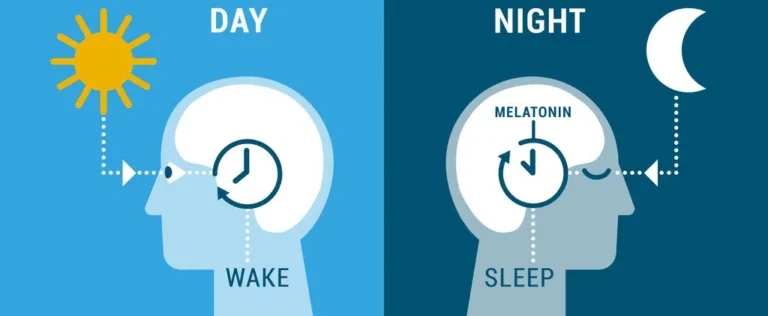
A healthy night routine helps regulate your circadian rhythm — your body’s internal clock that governs sleep, digestion, and hormone release. When you stick to a consistent pre-sleep ritual, your brain learns to associate certain cues (like dim lights, reading, or stretching) with rest, making it easier to fall asleep naturally.
The Science:
- Melatonin release: Darkness and reduced screen exposure help trigger melatonin, the “sleep hormone.”
- Cortisol reduction: Relaxing activities before bed lower stress hormones.
- Parasympathetic activation: Calming routines switch your nervous system from “fight or flight” to “rest and digest.”
According to a 2024 study by the National Sleep Foundation, adults who follow a consistent bedtime ritual fall asleep 37% faster and report higher-quality rest than those without one.
National Sleep Foundation – How to Build a Bedtime Routine
🕙 Step 1: Set a Consistent Bedtime
Consistency is the cornerstone of a healthy night routine. Going to bed and waking up at the same time every day — even on weekends — reinforces your circadian rhythm.
How to Do It:
- Choose a bedtime that allows for 7–9 hours of sleep.
- Start your wind-down routine 60–90 minutes before your target sleep time.
- Avoid the “revenge bedtime procrastination” trap (scrolling or binge-watching as self-care — it backfires).
🧩 Pro Tip: Use gentle alarms or smart lights that dim automatically to signal when it’s time to unwind.
📵 Step 2: Create a Screen-Free Buffer Zone
Digital devices emit blue light, which suppresses melatonin and tricks your brain into thinking it’s daytime.
Try This:
- Turn off screens at least 30–60 minutes before bed.
- If you must use them, enable night mode or blue-light filters.
- Replace scrolling with analog activities like journaling, reading, or gentle stretching.
💡 Science-backed hack: A 2023 Harvard Health study found that individuals who reduced evening screen exposure improved their sleep quality within just one week.
🕯️ Step 3: Design a Calm, Sleep-Friendly Environment
Your bedroom is the foundation of your healthy night routine. A cluttered, bright, or noisy room can sabotage even the best intentions.
The Ideal Sleep Space:
- Temperature: Keep it cool — around 18–20°C (65–68°F) is optimal.
- Lighting: Use dim lamps, candles, or smart bulbs with amber tones.
- Scent: Lavender, chamomile, or sandalwood promote relaxation.
- Sound: Try white noise, rain sounds, or soft ambient music.
🪴 Bonus: A few plants like snake plant or peace lily can purify the air and improve sleep quality.
🫖 Step 4: Establish a Pre-Sleep Ritual
A healthy night routine is about repetition and predictability. Small calming actions signal your body that it’s time to wind down.
Effective Ritual Ideas:
- Warm shower or bath – reduces body temperature afterward, triggering drowsiness.
- Stretching or gentle yoga – relieves muscle tension and promotes blood flow.
- A cup of herbal tea – chamomile, valerian root, or lemon balm can relax your nervous system.
- Meditation or breathing exercises – calm the mind, especially after a stressful day.
- Gratitude journaling – reflecting on the day’s positives boosts serotonin before sleep.
💬 “Your pre-sleep routine is like a runway for your body to take off into sleep,” says Dr. Matthew Walker, sleep scientist and author of Why We Sleep.
📖 Step 5: Mental Unloading — Clear Your Mind Before Bed
One of the biggest barriers to a healthy night routine is an overactive mind. Work stress, unfinished tasks, or constant mental chatter can delay sleep onset.
Try These Cognitive “Unwind” Techniques:
- Write tomorrow’s to-do list — unload tasks from your mind onto paper.
- Journal emotions or worries — helps mentally “close the day.”
- Practice mindfulness: Focus on breathing or gratitude.
📔 Research from the Journal of Experimental Psychology (2022) found that people who spent five minutes journaling tasks before bed fell asleep 40% faster than those who didn’t.
💪 Step 6: Nourish, Don’t Disrupt — Nighttime Nutrition Tips
Your last meal can make or break your healthy night routine. Eating too close to bedtime spikes insulin and body temperature, both of which can disrupt sleep cycles.
What to Eat:
- 2–3 hours before bed: Keep meals light and balanced — protein + healthy fats + vegetables.
- Sleep-friendly snacks: Almonds, walnuts, or a banana with nut butter can help melatonin production.
- Avoid: Caffeine (after 2 p.m.), spicy foods, heavy meals, and alcohol.
🥛 Bonus tip: A magnesium supplement or a small cup of warm, unsweetened almond milk may enhance relaxation.
🧘 Step 7: Mind-Body Alignment
Mindfulness-based techniques are key to a healthy night routine. The goal isn’t just to sleep — it’s to prepare your whole system for rest.
Best Mind-Body Sleep Practices:
- Box breathing (4-4-4-4 method) – Inhale 4 seconds, hold 4, exhale 4, hold 4.
- Progressive muscle relaxation – Tense and release muscles from feet to head.
- Yoga Nidra (Yogic Sleep) – A guided meditation designed to induce deep relaxation.
🧘♀️ Studies in 2024 show that just 10 minutes of nightly mindfulness practice can reduce nighttime anxiety by 33% and improve REM sleep.
🌡️ Step 8: Biohack Your Sleep Quality (Optional)
If you love tech or data, these tools can elevate your healthy night routine in 2025:
- Smart mattresses and sleep trackers (like Oura Ring or Eight Sleep) monitor sleep cycles.
- Circadian lighting systems adjust color temperature throughout the evening.
- Aromatherapy diffusers with auto shut-off help create a consistent bedtime scent.
🧬 Use these tools to optimize your environment, not overwhelm it. The goal is restful simplicity, not digital dependency.
💡 Step 9: Consistency Over Perfection
A healthy night routine doesn’t need to be complicated. What matters most is consistency. It’s about sending repeated cues to your brain that say, “It’s time to rest.”
Start small — pick 2 or 3 habits you can sustain, like turning off screens early, drinking tea, and stretching. Once those become automatic, layer in more.
Remember, good sleep isn’t built overnight — it’s trained over time.
💤 Signs Your Healthy Night Routine Is Working
- You fall asleep within 15–20 minutes.
- You wake up refreshed without multiple alarms.
- Your mood and focus improve throughout the day.
- You experience fewer cravings or afternoon slumps.
- You feel emotionally balanced and physically energized.
Consistency and mindfulness turn your healthy night routine into a long-term wellness asset — one that protects your brain, hormones, and energy levels.
🧾 Frequently Asked Questions (FAQ)
1. What time should I start my night routine?
Begin about 60–90 minutes before your bedtime. This gives your body time to shift from alert to relaxed mode.
2. What’s the ideal temperature for sleep?
Keep your room between 18–20°C (65–68°F). Cooler environments help trigger sleep faster.
3. Can I use my phone before bed if I have night mode on?
While night mode helps, it doesn’t fully block blue light. It’s best to stop using devices at least 30 minutes before bed.
4. Should I exercise at night?
Light yoga or stretching is great before bed, but avoid high-intensity workouts within two hours of sleeping — they raise cortisol and body temperature.
5. How long does it take to build a healthy night routine?
Usually 2–4 weeks of consistency helps your body fully adapt to a new rhythm. Stick with it even on weekends.
6. Is it okay to nap during the day?
Yes — but keep naps under 30 minutes and avoid late afternoon naps to preserve nighttime sleep drive.
🌟 Conclusion: Your Night Routine Is an Investment in Tomorrow
A healthy night routine is the ultimate form of self-care — not indulgent, but essential. It transforms your evenings from chaotic to calm, creating space for your body to heal, your mind to rest, and your energy to recharge.
In 2025, where overstimulation is the norm, reclaiming your evenings isn’t a luxury — it’s a necessity.
Start tonight. Dim the lights. Put your phone away. Pour that herbal tea.
Your tomorrow begins with how you end today. 🌙