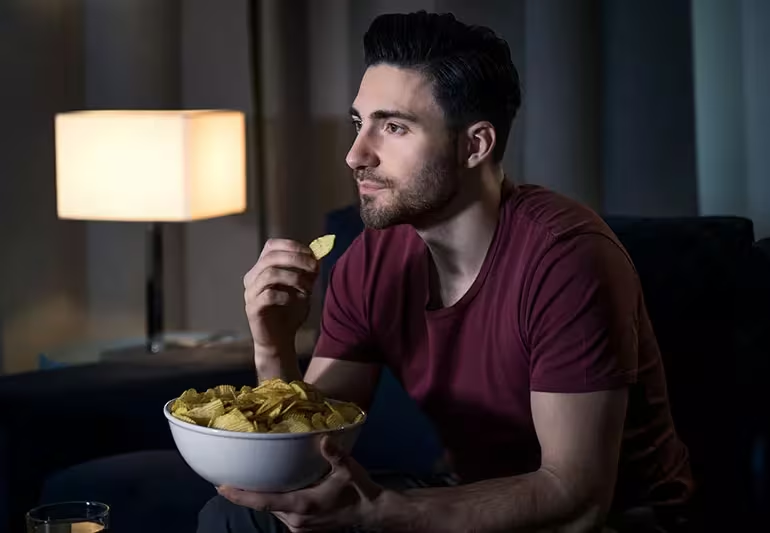
Late-night snacks are a common habit in our busy modern lives, especially when hunger strikes after dinner or during late-night scrolling. However, what you eat—and when—can significantly impact sleep quality. Late-night snacks often disrupt digestion, raise body temperature, and interfere with natural sleep cycles, leading to longer time to fall asleep, more awakenings, and reduced deep or REM sleep.
Scientific evidence, including studies from the Sleep Foundation and peer-reviewed journals, shows that consuming large or heavy late-night snacks close to bedtime can cause issues like acid reflux, elevated blood sugar fluctuations, and altered hormone release. While some small, nutrient-dense late-night snacks may offer benefits for certain people (such as stabilizing blood sugar), the risks generally outweigh rewards for most adults when eating within 1-3 hours of bed.
This in-depth guide examines how late-night snacks affect your sleep, the worst offenders, healthier alternatives, and practical strategies to improve rest in 2026. By making informed choices about late-night snacks, you can support better sleep hygiene and overall health.
Best Magnesium-Rich Foods for Better Mood and Energy in 2026
Understanding the Science: How Late-Night Snacks Disrupt Sleep
Late-night snacks trigger several physiological responses that conflict with the body’s preparation for sleep. Digestion requires energy, increasing metabolic rate and core body temperature—opposite to the natural drop needed for sleep onset. Research indicates eating within an hour of bedtime raises wake after sleep onset (WASO) and reduces sleep efficiency.
Hormonally, late-night snacks can delay melatonin release and cause insulin spikes, leading to blood sugar crashes that wake you. Studies link bedtime eating to irregular sleep patterns, including shorter or longer-than-recommended durations.
For many, late-night snacks contribute to poor sleep quality, with women often more affected due to differences in metabolism and hormonal responses.
Negative Effects of Late-Night Snacks on Digestion and Reflux
One major way late-night snacks affect sleep is through digestive discomfort. Lying down soon after eating allows stomach acid to flow back into the esophagus, causing heartburn or GERD symptoms that interrupt rest.
High-fat or spicy late-night snacks slow gastric emptying, prolonging discomfort. Processed or sugary late-night snacks exacerbate this by irritating the gut lining or promoting inflammation.
Chronic issues from frequent late-night snacks include fragmented sleep and daytime fatigue.
Impact of Late-Night Snacks on Blood Sugar and Energy Levels
Sugary or refined-carb late-night snacks cause rapid blood sugar spikes followed by drops, triggering adrenaline release and awakenings. This rollercoaster disrupts stable energy during sleep stages.
For those with blood sugar concerns, unmanaged late-night snacks worsen overnight hypoglycemia or hyperglycemia, further impairing rest.
How Late-Night Snacks Influence Sleep Stages and Duration
Late-night snacks alter sleep architecture. High-calorie or heavy late-night snacks reduce REM and deep sleep while increasing light stages and awakenings.
Studies show eating close to bedtime extends sleep latency and increases WASO, leading to less restorative sleep overall.
Worst Late-Night Snacks to Avoid for Better Sleep
Certain late-night snacks are particularly disruptive:
- Fried or Greasy Foods — Pizza, chips, or french fries cause heartburn and slow digestion.
- Sugary Treats — Ice cream, cookies, or candy spike blood sugar and contain hidden caffeine.
- Spicy Foods — Chili or hot sauces trigger reflux.
- High-Fat Dairy or Chocolate — Ice cream or dark chocolate combines fat, sugar, and stimulants.
- Caffeinated Items — Even small amounts in chocolate or soda keep you alert.
Avoid these late-night snacks to prevent common sleep disturbances.
Better Alternatives: What to Eat Instead of Problematic Late-Night Snacks
If hunger persists, opt for small (under 200 calories), balanced late-night snacks with tryptophan, magnesium, or melatonin sources:
- Almonds or Walnuts — Provide magnesium and healthy fats for relaxation.
- Banana with Nut Butter — Potassium and tryptophan promote calm.
- Greek Yogurt (Plain) — Protein and calcium aid melatonin production.
- Tart Cherry Juice — Natural melatonin source.
- Kiwi or Cherries — Boost serotonin and melatonin.
- Oatmeal (Small Portion) — Complex carbs and magnesium for steady release.
These late-night snacks support sleep without overload.
For more on sleep-promoting nutrition, see the Sleep Foundation’s guide on eating before bed.
Additional evidence-based info from Healthline on foods for sleep.
And Harvard’s nutrition insights: Harvard Nutrition Source on sleep and diet.
Timing Matters: When to Have Late-Night Snacks (If Any)
Ideal window: Finish eating 2-3 hours before bed. If needed, keep late-night snacks light and 30-60 minutes prior.
Building Habits to Curb Unnecessary Late-Night Snacks
Address root causes like boredom or stress with alternatives: herbal tea, journaling, or light stretching. Consistent meal timing reduces evening hunger.
Conclusion
Late-night snacks can profoundly affect your sleep by disrupting digestion, blood sugar, hormones, and sleep stages. Heavy, spicy, sugary, or fatty late-night snacks often lead to poorer rest, while small, nutrient-focused options like nuts, fruit, or yogurt may help in moderation. Prioritize finishing meals earlier, choosing wisely if snacking, and focusing on whole-food nutrition for optimal sleep. Better habits around late-night snacks lead to improved energy, mood, and health—start small for lasting changes. Consult a professional for persistent issues.
FAQs
How do late-night snacks affect sleep quality?
Late-night snacks disrupt sleep by raising body temperature, delaying melatonin, causing reflux, and altering blood sugar, leading to longer sleep latency and more awakenings.
Are all late-night snacks bad for sleep?
Not necessarily—small, balanced late-night snacks with protein, healthy fats, and complex carbs (like yogurt or nuts) can stabilize energy without major disruption, unlike heavy or sugary ones.
What are the worst late-night snacks for sleep?
Worst late-night snacks include fried foods, pizza, ice cream, chocolate, spicy items, and chips, as they cause heartburn, slow digestion, and blood sugar spikes.
What should I eat instead of unhealthy late-night snacks?
Opt for alternatives like almonds, banana with nut butter, plain Greek yogurt, kiwi, tart cherries, or small oatmeal—these provide sleep-supporting nutrients like magnesium and tryptophan.
How close to bedtime can I have late-night snacks?
Aim to finish late-night snacks at least 2-3 hours before bed; if hungry closer, keep portions tiny and light to minimize impact.
Can late-night snacks cause weight gain and poor sleep?
Yes—excess calories from late-night snacks store as fat due to nighttime insulin resistance, while disrupting sleep contributes to hormonal changes favoring overeating.
Do late-night snacks help if I have low blood sugar?
A small, balanced late-night snack may prevent overnight drops for some, but consult a doctor—avoid sugary options that worsen fluctuations.