
In a world that often simplifies food into a calorie-in, calorie-out equation, the nuanced concept of nutrition for energy is frequently overlooked. Many people focus on the sheer number of calories consumed, without considering how those calories impact sustained energy levels, mood, cognitive clarity, and overall vitality. This article explores how to eat for energy — not just calories — by unpacking the principles of nutrition that support optimal functioning, rather than mere caloric fulfillment.
Desi Mediterranean Diet for Weight Loss:
Understanding Energy vs. Calories
It’s important to begin by distinguishing between calories and energy in the sense of how your body uses nutrients to function. A calorie is simply a unit of energy, but not all calories are equal when it comes to delivering sustained power to your body and brain.
According to a comprehensive review, the roles of nutrients, food quality and dietary patterns extend far beyond the raw count of energy intake; they influence metabolic rate, energy expenditure, and the ability to sustain activity and cognitive performance. PubMed Central
When focusing on nutrition for energy, the aim is to move beyond “how many calories did I eat?” toward questions such as: Are these calories coming from nutrient-rich foods that will support my metabolism, my brain, and my physical stamina? Are they contributing to stable blood sugar, mitochondrial function, and optimal recovery?
Why Quality Matters: The Foundations of Nutrition for Energy
Complex Carbohydrates, Lean Protein, Healthy Fats
The three macronutrients — carbohydrates, proteins, and fats — all provide calories (energy), but the manner in which they deliver that energy differs dramatically. A diet rich in nutrient-dense foods supports sustained energy levels.
- Complex carbohydrates (whole grains, legumes, vegetables) are digested more slowly, helping to provide a more stable release of fuel. Harvard Health
- Proteins offer satiety and steady fuel, and are essential for repair, growth, and the maintenance of lean tissue — which in turn supports metabolism.
- Healthy fats (mono- and poly-unsaturated fats, omega-3s) play roles in hormone regulation, cell membranes, and slower energy release.
Micronutrients, Hydration and Energy Conversion
Beyond macronutrients, certain vitamins and minerals are key to converting food into usable energy — in other words, critical for nutrition for energy at the cellular level. For example:
- The B-vitamin family, vitamin C, iron, magnesium, zinc, and others play recognized roles in energy metabolism, fatigue, and cognition.
- Adequate hydration is essential because water is required for digestion, nutrient absorption and transport, temperature regulation, and all metabolic processes. Even mild dehydration can lead to fatigue and impaired performance.
Avoiding “Empty Calories”
Calories from refined sugars, processed foods and sugary beverages may give a quick spike in energy — but that spike is often followed by a crash. As one resource explains, simple sugars can lead to energy highs and lows.
By pursuing nutrition for energy, the aim is to minimize these empty-calorie sources and instead emphasize sustained, high-quality fuel.
Structuring Meals for Sustained Energy
Eat Regularly — Every 3-4 Hours
One strategy to promote stable energy is to eat regular meals or snacks every 3-4 hours. This prevents long gaps of low fuel and helps the brain and body maintain consistent performance.
Practically this could look like: breakfast soon after waking, a mid-morning snack, lunch, an afternoon snack, then dinner. If you delay or skip meals, your blood sugar drops, which can lead to fatigue, irritability and concentration problems.
Prioritize Breakfast for Energy
Eating a nutrient-rich breakfast sets the tone for the day. According to one guideline:
“Eating a well-balanced, protein-rich breakfast has been shown to help reduce cravings later, like that 3pm snack slump.”
A breakfast of whole-grain oats with a tablespoon of nut butter and Greek yogurt, or eggs with vegetables, provides the trio of complex carbs, protein and healthy fats — a strong start for nutrition for energy.
Mind the Meal Composition
At each meal look to pair:
- Complex carbohydrate sources (e.g., brown rice, whole wheat bread, sweet potato)
- Lean protein (e.g., chicken, fish, legumes, yogurt)
- Healthy fat (e.g., avocado, nuts, olive oil)
- A serving of vegetables or fruit (for fibre, micronutrients, antioxidants)
A balanced meal ensures you’re not overloaded by one macronutrient, and supports a more stable energy release throughout the hours after eating.
Smart Snacks to Bridge Gaps
Snacks can play an important role in maintaining energy, especially between meals or before physical or cognitive demands. Choose snacks that again combine protein + fibre + healthy fat rather than sugary single-ingredient options.
Examples: plain Greek yogurt with berries and nuts; whole-wheat toast with avocado + egg; hummus with vegetables and whole-grain pita.
Fueling Specific Activities: Brain, Body and Movement
Nutrition for Energy During Exercise
When you engage in physical activity — whether endurance training or strength work — your nutritional needs for energy shift. Carbohydrates remain the body’s preferred fuel for high-intensity exercise; protein supports muscle repair and recovery; fat supports longer duration, lower-intensity work.
To fuel properly:
- Before exercise: a small meal or snack 30-60 minutes beforehand containing carbs and some protein (e.g., banana + peanut butter, oatmeal with yogurt)
- After exercise: a recovery meal or snack with carbs + protein (e.g., grilled chicken + quinoa + vegetables)
- Throughout to stay hydrated and replenish electrolytes.
Nutrition for Energy for Cognitive Function
Energy isn’t just about muscles; your brain consumes a substantial amount of your body’s glucose and is highly sensitive to fluctuations in fuel. When you neglect nutrition for energy, you may find your mental clarity, focus and alertness diminish.
Stable blood glucose (from whole-food meals and snacks) and nutrients that support mitochondrial function (B vitamins, iron, magnesium) will help maintain mental energy rather than allow mid-afternoon slumps or brain fog.
Supporting Recovery and Avoiding Burnout
Recovery from both physical activity and daily stressors is essential for maintaining energy. When recovery is poor, your body’s capacity to convert calories into usable energy diminishes. Nutrition for energy here means ensuring adequate quality protein, healthy fats (especially omega-3s), antioxidants, hydration and a restful sleep routine.
Key Food Choices That Support Nutrition for Energy
Here are some of the best categories of foods when your goal is to eat for energy, not just calories:
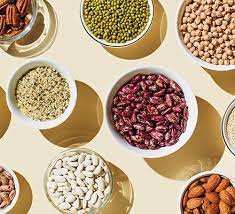
- Whole grains and legumes: Brown rice, quinoa, oats, barley, lentils, chickpeas. These provide complex carbs and fibre which slow digestion and help sustain fuel.
- Colourful vegetables and fruits: Spinach, kale, broccoli, berries, apples, oranges. These supply vitamins, minerals and phytonutrients that support energy metabolism and reduce oxidative stress.
- Lean proteins: Skinless poultry, fish (especially fatty fish like salmon for omega-3s), eggs, Greek yogurt, tofu, legumes. Protein helps maintain muscle mass, supports repair, and supports stable energy.
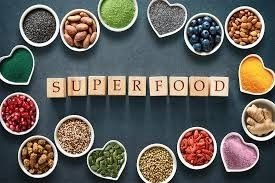
- Healthy fats: Avocado, nuts and seeds, olive oil, fatty fish, nut butters. These join the energy-equation by supporting cell membranes, hormone production, and slow-burn fuel.
- Hydration and electrolyte balance: Water, and when needed, mineral-rich beverages or foods (e.g., coconut water, fruit, vegetables). Dehydration reduces energy efficiency and mental sharpness.
- Iron-rich and B-vitamin-rich foods: Red-meat in moderation, legumes, leafy greens, fortified cereals. Iron is vital for oxygen transport; B-vitamins for converting food into energy.
Foods and Practices to Limit When Focusing on Nutrition for Energy
Just as important as what to include is what to limit or avoid if you want to maintain consistent energy, rather than short bursts followed by crashes.
- Sugary drinks, sweets and refined carbohydrates: These deliver rapid energy followed by a crash, which can undermine stable energy levels.
- Large meals heavy in saturated fat or ultra-processed foods: Big meals rich in saturated fat or refined components can divert energy toward digestion and away from productivity, and contribute to sluggishness.
- Caffeine and energy drinks used as a crutch: While caffeine gives a temporary boost, frequent reliance can lead to rebound fatigue and disrupted sleep, which compromises long-term energy. Cleveland Clinic
- Skipping meals or long gaps between eating: This can cause blood sugar drops and fatigue. Instead, regular intake aligned with your schedule supports energy. Hospital for Special Surgery
Timing and Circadian Considerations for Nutrition for Energy
Align Meals With Natural Rhythms
Eating in harmony with your body’s internal clock can enhance energy. For example, consuming a slightly larger meal earlier in the day and lighter in the evening may reduce the post-lunch slump and support better sleep. Some studies suggest that large midday meals are followed by more pronounced afternoon fatigue.
Pre-Sleep Nutrition Matters
While the focus here is on daytime energy, what you eat and how you fuel the evening hours influences next-day energy too. A light balanced snack with protein and complex carbs before bed (if you find yourself hungry) may support overnight recovery and wake you in a better state. Avoid heavy, high-fat meals late at night, which may impair sleep and subsequent energy.
Using Snacks Strategically
If you anticipate a long meeting, workout, or mentally demanding session in the afternoon, a smart snack 30-60 minutes beforehand (protein + complex carb + healthy fat) helps buffer dips. For example: apple with almond butter; hummus with pita and carrots; Greek yogurt with berries and walnuts.
Personalising Nutrition for Energy
Consider Activity Level and Metabolic Needs
Individuals with higher levels of physical activity, muscle mass, or cognitive demands have higher energy and nutrient demands. When tailoring nutrition for energy, consider your daily expenditure: someone sedentary will need less total fuel than someone training for endurance or strength. As noted in the literature, dietary energy intake, expenditure and nutrient quality must all align.
Recognise Nutrient Deficiencies and Their Impact
Low iron, low B-vitamins, magnesium deficiency — these can all hamper energy conversion and lead to fatigue. Since nutrition for energy isn’t just about calories, ensuring adequate micronutrients is critical. If you often feel sluggish despite eating enough calories, consider whether micronutrient deficiency is a factor.
Factor in Sleep, Stress and Recovery
Remember: you cannot out-eat the effects of poor sleep, chronic stress, or inadequate recovery. True nutrition for energy must be embedded in a lifestyle that supports balanced sleep, stress management and movement. If you are chronically sleeping 5 hours, snacking on “energy boosting” foods isn’t going to offset the toll of sleep debt.
Adjust For Age, Gender, and Health Status
Metabolic needs vary by age, gender, body composition and health status. For example, older adults may have lower calorie needs but still high nutrient requirements. A one-size-fits-all approach won’t suffice when optimizing for energy. The key principle: ensure your calories are delivering nutrients, not just quantity.
Sample Day: Eating for Energy, Not Just Calories
Here’s what a sample daily eating plan might look like when your objective is nutrition for energy:
- Breakfast: Oatmeal made with milk or plant milk, topped with berries, a tablespoon of nut butter, and a sprinkling of chia seeds. Plus one boiled egg.
- Mid-morning snack: Greek yogurt with a handful of mixed nuts and a piece of fruit (say an apple).
- Lunch: Grilled chicken (or chickpeas for plant-based), quinoa, a large mixed-greens salad with olive oil and lemon dressing, and steamed broccoli.
- Afternoon snack: Whole wheat toast with avocado and a poached egg, or hummus + carrot sticks + whole-grain pita.
- Dinner: Baked salmon or tofu, sweet potato mash, sautéed kale and mushrooms, and a side salad of tomatoes and cucumber.
- Evening (if needed): A small snack like cottage cheese with pineapple or a banana with almond butter.
Notice the distribution: each meal and snack combines protein, complex carbs, healthy fats, and vegetables/fruit. The focus is on nutrient-dense choices that support continuous energy rather than a spike and crash.
Practical Tips to Build Your Energy-Optimised Diet
- Keep a water bottle nearby and hydrate throughout the day; aim for more than your “usual” if you are in heat, doing physical work, or exercising.
- At each meal ask: “Did I include a protein source? A complex carbohydrate? A vegetable or fruit? A healthy fat?”
- When craving sugar or caffeine after a meal, evaluate if you’re truly hungry/hypoglycaemic or simply fatigued because of other lifestyle factors (sleep, stress).
- Prepare “go-to” snack combinations that you can mix and match for convenience; this encourages consistent energy support rather than reaching for whatever is easiest.
- Read labels: favour minimally-processed foods with little added sugar, minimal refined flours, and higher fibre content. This aligns with nutrition for energy rather than empty calories.
- Avoid long gaps between meals — set reminders if needed to eat every ~3-4 hours, especially if your schedule is variable.
- Plan for recovery: after intense exercise or heavy brain work, give yourself a recovery meal with carbs + protein to refuel, rebuild, and maintain energy for next tasks.
Challenges and Misconceptions
“Calories don’t matter if I feel full”
It’s true that feeling full is one important signal, but fullness alone doesn’t guarantee quality. You could meet calorie needs but still lack sufficient nutrients to support sustained energy, repair, immunity or mood. That’s why “nutrition for energy” emphasises quality, not just quantity.
“I only need one big meal and then I’m set”
Large infrequent meals may feel convenient, but they may lead to energy dips and inefficient fuel usage. Smaller, balanced meals spread through the day help maintain metabolic stability and energy levels.
“If I eat healthy, I can skip sleep or push harder”
Nutrition matters, but it cannot substitute for adequate sleep and recovery. Sleep loss impairs mitochondrial function, hormonal regulation, glucose metabolism and so on — which means the calories you eat are less likely to be converted into fuel for performance, more likely into fuel for inefficiency or storage.
“Fat makes me tired, so I avoid it”
While very high-fat meals can slow digestion and impair immediate performance, healthy fats are essential for long-term energy, hormonal health, and cell integrity. When avoided entirely, you may miss out on critical components of nutrition for energy.
The Role of Mindset and Behaviour
Switching from “how many calories did I eat?” to “did I fuel for energy?” requires a shift in mindset. Here are some behavioural cues:
- Think of food as fuel and fortifier, not just comfort or reward.
- Focus on what food enables: stronger workouts, clearer thinking, sustained work, mood stability, resilience.
- Practice mindful eating: recognise how you feel after different meals. Do you crash after sugary cereal? Do you feel sustained after a balanced lunch? Use your internal feedback loop.
- Use meal preparation to your advantage — prepping meals/snacks in advance helps you stay consistent, especially during busy days when you might otherwise rely on less-optimal “quick calories.”
- Combine nutrition for energy with physical activity: movement enhances mitochondrial capacity, increases circulation, and improves nutrient utilization. The synergy of good diet plus movement is greater than either alone.
Summary of Core Principles
- Prioritise nutrient-density over sheer calorie count: food should support fuel, brain, repair, and recovery.
- Structure your eating pattern to support sustained energy: regular meals, balanced macronutrients, smart snacks.
- Include foods that provide complex carbs, lean protein, healthy fat, micronutrients and hydration.
- Avoid or minimise refined sugars, ultra-processed foods, long fasting gaps, excessive caffeine reliance, and heavy late-night meals.
- Tailor nutrition for your individual activity level, lifestyle, sleep and recovery.
- Use food as part of a broader lifestyle that includes sleep, stress-management, movement, recovery and hydration.
FAQs about Nutrition for Energy
1. What’s the difference between eating for calories and eating for energy?
Eating for calories focuses solely on how much energy food provides. Eating for energy considers how that energy is delivered and used — emphasizing nutrient-dense foods that fuel sustained performance, mental clarity, and vitality. In other words, it’s about food quality, not just quantity.
2. Can I still lose weight while focusing on nutrition for energy?
Yes. When you prioritize nutrition for energy, you naturally select foods that are more filling, higher in fiber, protein, and healthy fats. These improve satiety and stabilize blood sugar, which can prevent overeating and support healthy weight management.
3. What are the best foods to eat when I feel fatigued?
Choose foods that provide steady energy: whole grains, fruit, nuts, yogurt, lean proteins, and vegetables. Avoid sugary snacks or energy drinks that cause a short spike followed by a crash. Hydration is also crucial — even mild dehydration can make you feel tired.
4. How much protein should I eat for energy?
While individual needs vary by body size and activity, a general guideline is 1.2–2.0 grams of protein per kilogram of body weight per day for active adults. Including protein in every meal and snack helps maintain muscle mass and stable energy levels throughout the day.
5. Is caffeine bad for long-term energy?
Moderate caffeine intake (about 200–300 mg per day) can temporarily enhance focus and alertness. However, excessive use can interfere with sleep and cause rebound fatigue. If you rely on caffeine to “get through the day,” it may be a sign that your diet, hydration, or sleep patterns need adjustment.
6. How does hydration affect energy?
Hydration is essential for transporting nutrients, regulating temperature, and supporting metabolic reactions that generate energy. Even 1–2 percent dehydration can reduce physical and mental performance. Aim to drink water consistently throughout the day rather than relying on thirst cues alone.
7. Are energy bars and drinks good options for quick fuel?
Some energy bars made with whole ingredients (nuts, oats, seeds) can be convenient between meals or before workouts. However, many commercial bars and drinks contain high amounts of sugar and artificial additives that can lead to energy crashes. Always check ingredient labels.
8. Can skipping meals help increase energy or focus?
For most people, skipping meals causes energy dips, irritability, and impaired concentration. Some may adapt to intermittent fasting patterns, but for sustained performance and mental focus, regular balanced meals are usually best.
9. How can I improve my afternoon energy slump?
Ensure your lunch includes complex carbohydrates, lean protein, and healthy fats. Avoid high-sugar or highly processed meals that spike blood sugar. A short walk, hydration, or a small balanced snack (like fruit and nuts) can also counter the afternoon crash.
10. What role do vitamins and minerals play in energy levels?
Micronutrients like B-vitamins, iron, magnesium, and zinc are essential for energy metabolism. Without them, your cells cannot efficiently convert calories into usable fuel. Eating a variety of colorful fruits, vegetables, whole grains, and lean proteins supports these nutrient needs.
Conclusion
Eating for energy, not just calories, is a transformative shift in how we view food and nourishment. Instead of fixating on the number on a label or app, focus on the quality and composition of your meals. True nutrition for energy is about feeding your body and brain with foods that promote sustained vitality, not fleeting bursts of alertness.
Every bite you take either supports or drains your energy. Complex carbohydrates provide steady fuel; protein builds and repairs tissues; healthy fats protect your cells and regulate hormones; vitamins and minerals enable your cells to actually use that fuel efficiently. Hydration ties it all together, ensuring nutrients reach where they are needed.
The key is balance and consistency — regular meals, thoughtful combinations, and mindful eating. When you approach nutrition as fuel for performance, rather than merely counting calories, you gain more than energy: you gain focus, resilience, productivity, and long-term health.
So, the next time you plan a meal or snack, ask not “How many calories does this have?” but “Will this nourish and sustain my energy?” That simple shift can redefine your relationship with food — and your daily vitality — for the better.
Circadian Rhythm Reset: Why When You Sleep Matters More Than How Long