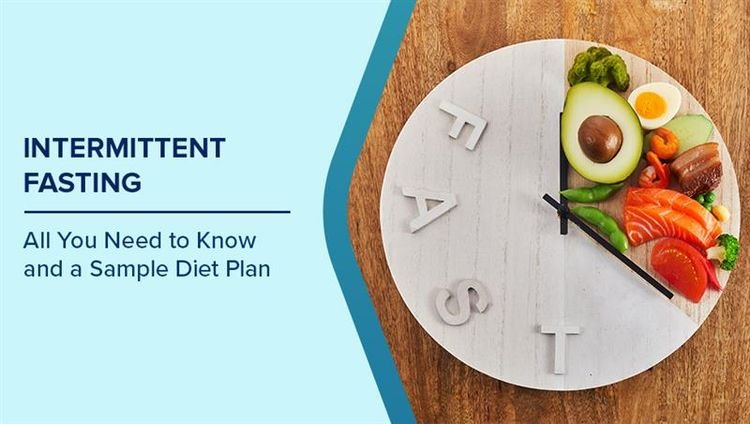
In the demanding world of 2026, where long work hours, family responsibilities, and constant connectivity leave little room for complicated diets, fasting for beginners offers a straightforward approach to better health, weight management, and energy levels. Intermittent fasting (IF) involves cycling between periods of eating and fasting, focusing on when you eat rather than what you eat. This makes it ideal for busy individuals who want sustainable results without meal prep overload or calorie counting.
Popular fasting for beginners schedules like 16:8 or 14:10 fit seamlessly into hectic routines—many people naturally fast overnight and simply delay breakfast. Evidence from sources like Johns Hopkins Medicine and Precision Nutrition shows that time-restricted eating can support metabolic health, aid fat loss, and improve insulin sensitivity when done properly. Recent studies (as of 2026) indicate benefits may depend on overall calorie control, but for many, IF simplifies eating patterns and reduces decision fatigue.
This guide covers beginner-friendly fasting for beginners schedules, how to start safely, common pitfalls, and tips tailored for busy lifestyles. By choosing simple, flexible plans, you can experience potential advantages like steady energy, better focus, and easier weight control.
Gut Health Superfoods: Easy Ways to Boost Your Microbiome Naturally
Why Intermittent Fasting Appeals to Busy People and Is Great for Fasting for Beginners
Busy schedules often lead to irregular eating, snacking, and poor food choices. Fasting for beginners eliminates constant meal decisions by defining clear eating windows, freeing mental energy for work and life. It aligns with natural circadian rhythms—most fasting occurs during sleep—and requires no special foods.
Research supports IF for metabolic flexibility, where the body switches from glucose to fat/ketones for fuel, potentially enhancing fat burning and reducing inflammation. For beginners, starting gently avoids overwhelm and builds adherence.
The Science Behind Fasting for Beginners: Benefits and Realistic Expectations
Intermittent fasting triggers autophagy (cellular cleanup), improves hormone regulation (insulin, growth hormone), and may support longevity markers. Studies show modest weight loss, better blood sugar control, and reduced inflammation in many participants.
However, 2026 research (e.g., from Deutsches Zentrum für Diabetesforschung) suggests benefits often tie to calorie reduction rather than timing alone. For busy people, IF’s simplicity drives consistency, leading to indirect improvements in diet quality and habits.
Best Intermittent Fasting Schedules for Busy Beginners
These fasting for beginners schedules prioritize ease and flexibility.
12:12 Fasting: The Easiest Entry Point for Fasting for Beginners
Fast 12 hours, eat within 12. Example: Finish dinner by 8 PM, eat breakfast at 8 AM. Much of the fast happens during sleep.
Ideal for fasting for beginners—minimal adjustment, gentle adaptation, and natural overnight fast extension.
14:10 Fasting: A Gentle Step Up for Busy Schedules
Fast 14 hours, eat in 10. Example: Eat 10 AM–8 PM or 11 AM–9 PM. Fits around meetings and family dinners.
This fasting for beginners schedule offers metabolic benefits without extreme hunger, perfect for gradual progression.
16:8 Fasting: The Most Popular Schedule for Busy People
Fast 16 hours, eat in 8. Common: Noon–8 PM (skip breakfast, or early dinner). Aligns with work lunches and evening meals.
Highly effective for fasting for beginners once adapted—many report sustained energy and reduced snacking.
5:2 Approach: Flexible for Variable Busy Weeks
Eat normally 5 days, restrict to 500–600 calories on 2 non-consecutive days. Allows flexibility around busy periods.
A good fasting for beginners option if daily windows feel restrictive.
How to Start Fasting for Beginners Safely as a Busy Person
Consult a doctor first, especially with health conditions. Begin with 12:12, hydrate well (water, black coffee, tea during fasts), and focus on nutrient-dense meals in windows.
Ease in over 1–2 weeks. Track energy and hunger to adjust.
Common Mistakes to Avoid When Starting Fasting for Beginners
- Jumping to long fasts too soon → causes fatigue/irritability.
- Overeating in windows → negates benefits.
- Neglecting hydration/electrolytes → headaches.
- Poor meal quality → choose balanced proteins, fats, veggies.
- Ignoring hunger signals → listen to body.
Avoiding these ensures successful fasting for beginners.
Sample Daily Schedules for Busy Lifestyles
- Office Worker 16:8: Eat 12 PM–8 PM (lunch at desk, dinner with family).
- Parent 14:10: Eat 9 AM–7 PM (breakfast with kids, early dinner).
- Shift Worker Adjustments: Align windows to sleep/wake cycles.
What to Eat During Eating Windows for Fasting for Beginners
Prioritize whole foods: proteins (eggs, chicken, fish), healthy fats (avocado, nuts), veggies, complex carbs (oats, sweet potatoes). Nutrient density sustains energy.
Sample meals: Breakfast (if in window) – eggs + veggies; Lunch – salad with protein; Dinner – grilled fish + greens.
Managing Hunger and Energy as a Fasting Beginner
Black coffee/tea, water, bone broth (if allowed), light walks help. Hunger often peaks early, then subsides.
Potential Side Effects and When to Stop Fasting for Beginners
Headaches, fatigue, irritability common initially—ease with electrolytes. Stop if dizzy, extreme weakness, or irregular periods.
Long-Term Sustainability for Busy People
Rotate schedules, allow flexibility on social days. Combine with balanced nutrition for lasting results.
For more on IF basics, see Johns Hopkins Medicine: Intermittent Fasting Overview. Explore Precision Nutrition: IF Schedules Guide. Additional info from Medical News Today: Intermittent Fasting Methods.
Conclusion
Fasting for beginners through simple schedules like 12:12, 14:10, or 16:8 fits busy lives perfectly, offering potential metabolic, weight, and energy benefits with minimal effort. Start gradually, focus on nutrient-rich eating windows, stay hydrated, and listen to your body. Consistency beats perfection—many find IF simplifies routines and enhances well-being. Consult professionals for personalization, especially with health concerns. Small changes yield big results in 2026’s fast-paced world.
FAQs
What is the best intermittent fasting schedule for fasting for beginners?
Start with 12:12 or 14:10—easy, sustainable, and effective for busy people before advancing to 16:8.
How does intermittent fasting work for beginners?
It restricts eating to set windows, allowing the body to use stored energy, potentially improving insulin sensitivity and fat burning.
Can busy people really stick to fasting for beginners?
Yes—align windows with natural routines (e.g., skip breakfast), and it becomes habitual quickly.
What should fasting for beginners avoid eating?
Focus on balanced meals; avoid overeating or junk in windows to maximize benefits.
Are there risks with fasting for beginners?
Mild side effects possible initially; consult a doctor if pregnant, underweight, or with conditions like diabetes.
How soon do benefits appear from fasting for beginners?
Many notice better energy/appetite control in 1–2 weeks; weight/metabolic changes in 4–8 weeks.