
Keto Diet Plan – What to Eat and What to Avoid
Welcome to thehealthyguides, your pit-stop for sorting through diet fads with actual science, common sense, and a dash of humor. Today’s focus: the keto diet plan – what to eat and what to avoid.
The keto diet has been hailed as a miracle for weight loss, blood sugar control, and even brain health. But it’s also surrounded by myths, confusion, and a long list of “can I eat this?” questions. Is bacon allowed? What about fruit? And why is bread suddenly the villain?
Don’t worry—we’re about to unpack everything. By the end of this article, you’ll know exactly what foods belong on your keto plate, what to keep far away, and how to make keto work for your lifestyle (without losing your mind over carb counts).
1. What Is the Keto Diet, Really?
The ketogenic (keto) diet is a very low-carb, high-fat, moderate-protein eating plan designed to put your body into ketosis.
What is Ketosis?
- Normally, your body runs on glucose (from carbs).
- On keto, carbs are cut drastically—usually 20–50 grams per day.
- With little glucose available, your liver starts making ketones from fat.
- These ketones become your body’s new fuel source, powering your brain, muscles, and metabolism.
In short: keto teaches your body to burn fat instead of carbs for energy.
2. Why This Matters – Benefits of Keto
The keto diet isn’t just about bacon and butter. Studies show it may offer:
- Weight Loss – Rapid fat burning due to ketosis and reduced appetite.
- Better Blood Sugar Control – Can help with type 2 diabetes management.
- Improved Energy & Focus – Stable fuel from ketones may reduce “brain fog.”
- Reduced Triglycerides – Often improves certain heart health markers.
- Medical Uses – Originally created to treat epilepsy in children.
But let’s be real: keto isn’t magic. It only works when done properly—and that’s where food choices come in.
3. Keto Diet Macros – The Formula
A classic keto diet usually breaks down like this:
- 70–75% of calories from fat
- 20–25% from protein
- 5–10% from carbs (20–50g net carbs per day)
This ratio keeps your body in ketosis. Too many carbs (even from healthy foods) can kick you out of fat-burning mode.
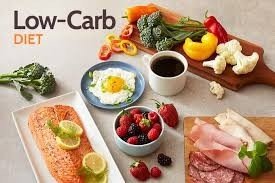
4. Keto Diet Plan – What to Eat
Here’s the part you’ve been waiting for: the keto-friendly food list.
🥩 Proteins (Moderate)
- Meat: beef, pork, lamb, chicken, turkey
- Fatty cuts are encouraged (skin-on chicken, ribeye)
- Organ meats (liver, heart) for added nutrients
- Eggs (nature’s perfect keto food)
🐟 Seafood
- Fatty fish: salmon, mackerel, sardines, tuna
- Shellfish: shrimp, crab, lobster (moderation—some contain carbs)
🥑 Healthy Fats & Oils
- Avocados & avocado oil
- Olive oil, coconut oil, MCT oil
- Butter & ghee
- Nuts and seeds (almonds, walnuts, chia, flax, pumpkin seeds)
🥦 Low-Carb Vegetables (Non-Starchy)
- Leafy greens: spinach, kale, lettuce
- Cruciferous: broccoli, cauliflower, cabbage
- Zucchini, cucumber, asparagus, green beans
- Mushrooms, peppers, olives
Rule of thumb: If it grows above ground and is low in starch, it’s probably keto-friendly.
🧀 Dairy (Full-Fat)
- Cheese (cheddar, mozzarella, cream cheese, goat cheese)
- Heavy cream, sour cream
- Greek yogurt (unsweetened, full-fat, sparingly)
🍓 Low-Carb Fruits (Small Portions)
- Berries: strawberries, raspberries, blackberries
- Coconut, olives, avocado (all keto stars)
🥤 Drinks
- Water (your best friend)
- Sparkling water
- Coffee (black, or with heavy cream)
- Tea (unsweetened herbal or green)
- Bone broth
5. Keto Diet Plan – What to Avoid
Here’s the tough love part: some foods are total keto killers.
❌ Carbs & Grains
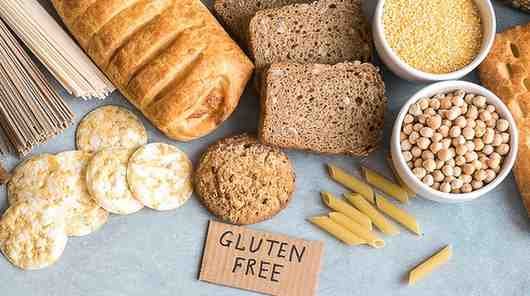
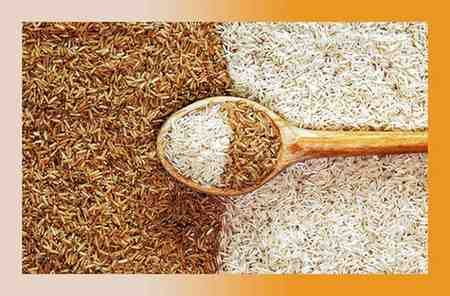
- Bread, pasta, rice, cereal, crackers
- Oats, corn, wheat, barley, quinoa
- Tortillas, baked goods, pastries
❌ Sugary Foods
- Candy, soda, cakes, cookies
- Fruit juice, smoothies
- Most fruits (bananas, apples, mangoes, grapes = too high in sugar)
❌ Starchy Vegetables
- Potatoes, sweet potatoes, yams
- Peas, corn, carrots (in excess)
- Beets, parsnips
❌ Processed & Unhealthy Fats
- Margarine, hydrogenated oils, vegetable oils (canola, soybean)
- Packaged “low-fat” foods (usually high in carbs)
❌ Alcohol (Most)
- Beer (loaded with carbs)
- Sweet cocktails
- Wine and spirits in moderation only
6. Sample Keto Meal Plan (1 Day)
Here’s how a typical keto day might look:
- Breakfast: Scrambled eggs with spinach, avocado, and bacon
- Lunch: Grilled salmon with olive oil, zucchini noodles, and feta cheese
- Snack: Handful of macadamia nuts + black coffee
- Dinner: Ribeye steak with buttered broccoli and mushrooms
- Dessert: A few raspberries with whipped cream
7. Common Keto Mistakes to Avoid
Even with the right foods, keto can go wrong. Watch out for:
- Too Much Protein – Extra protein converts into glucose, kicking you out of ketosis.
- Hidden Carbs – Sauces, condiments, and “healthy” snacks often sneak in sugar.
- Not Enough Electrolytes – Keto can flush sodium, potassium, and magnesium → causes the dreaded “keto flu.”
- Fear of Fat – Don’t cut calories too low; keto needs fat to fuel you.
- Unrealistic Expectations – Weight loss varies; some people lose quickly, others slowly.
8. Health Considerations & Risks
Keto isn’t for everyone. Potential downsides include:
- Keto flu (temporary fatigue, headaches when starting)
- Constipation (low fiber if veggies are skipped)
- Nutrient gaps if not well-planned
- May not be ideal for people with liver, kidney, or gallbladder issues
Always check with a doctor before starting, especially if you have medical conditions.
9. Keto-Friendly Substitutes (Smart Swaps)
- Rice → Cauliflower rice
- Pasta → Zucchini noodles (zoodles) or shirataki noodles
- Bread → Almond flour or coconut flour bread
- Mashed potatoes → Mashed cauliflower
- Chips → Cheese crisps or pork rinds
- Ice cream → Keto-friendly brands (low-carb, sugar-free)
10. The Verdict – Keto Diet Plan Simplified
So, when it comes to the keto diet plan – what to eat and what to avoid:
- Eat: Meat, fish, eggs, cheese, avocados, leafy greens, low-carb veggies, nuts, and healthy fats.
- Avoid: Sugar, bread, pasta, rice, starchy veggies, processed junk.
Keto can be a powerful tool for weight loss, energy, and blood sugar control—but it’s not a free pass to eat unlimited bacon. Balance, smart food choices, and consistency are key.
If you’re ready to try keto, start with whole foods, track your carb intake, and listen to your body. Because the best diet is the one you can actually enjoy and sustain.
❓ Frequently Asked Questions (FAQ)
1. What can I eat on the keto diet daily?
On keto, focus on fatty cuts of meat, fish, eggs, cheese, low-carb vegetables (like spinach, broccoli, zucchini), nuts, seeds, and healthy oils. Limit carbs to around 20–50 grams net per day.
2. Can I eat fruit on the keto diet?
Most fruits are too high in sugar for keto, but small amounts of berries (strawberries, raspberries, blackberries), avocado, and olives are allowed. Bananas, apples, and mangoes are usually too carb-heavy.
3. Are potatoes keto-friendly?
No, potatoes (including sweet potatoes) are starchy and high in carbs, which will kick you out of ketosis. Instead, try cauliflower mash as a low-carb swap.
4. Is rice allowed on keto?
No, rice is high in carbs and not keto-friendly. You can use cauliflower rice or shirataki rice as keto alternatives.
5. Can I eat bread on the keto diet?
Traditional bread is off-limits, but you can enjoy almond flour or coconut flour bread made specifically for low-carb diets.
6. What snacks can I eat on keto?
Great keto snacks include cheese sticks, boiled eggs, beef jerky (sugar-free), nuts, pork rinds, and veggie sticks with guacamole.
7. Can I drink coffee on keto?
Yes! Black coffee is keto-friendly. You can also add heavy cream, MCT oil, or butter for a “bulletproof coffee” boost. Avoid sugar and sweet creamers.
8. How long does it take to get into ketosis?
Most people enter ketosis within 2–7 days of cutting carbs, depending on activity level, carb intake, and metabolism.
9. Can I drink alcohol on keto?
Beer and sweet cocktails are not keto-friendly. If you drink, stick to dry wine or spirits (vodka, gin, tequila, whiskey) in moderation.
10. Is the keto diet safe long-term?
For many, keto can be safe and effective when well-balanced with whole foods. But it may not suit everyone, especially people with liver, kidney, or gallbladder issues. Always consult a doctor before starting long-term keto.
High protein breakfasts aren’t just good for your body—they also stabilize mood and energy, reducing anxiety crashes later in the day. Learn more in our Mental Health section.
Did you know that what you eat in the morning can affect sleep quality at night? A balanced breakfast supports stable circadian rhythms—discover more in our Sleep Health articles.
For more tips and support, visit our Facebook page.