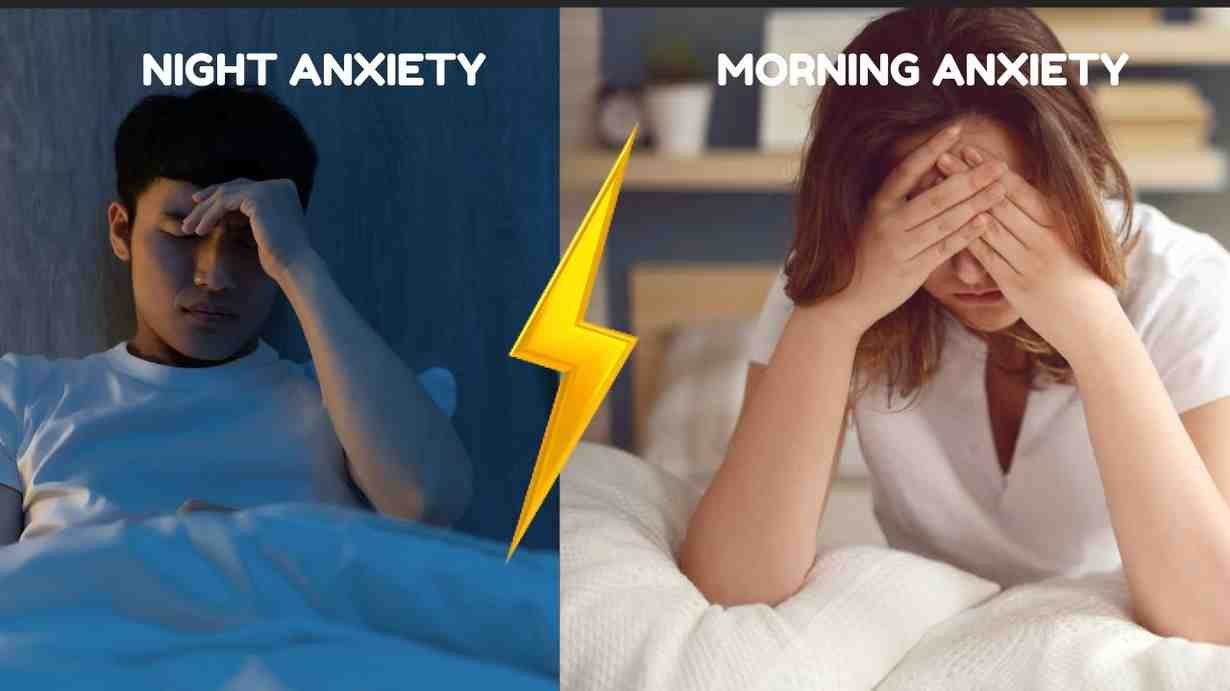
Morning Anxiety vs Night Anxiety – Why They Feel Different (and What Helps)
Welcome to thehealthyguides, your friendly pit-stop for sorting out life’s toughest health mysteries with science, warmth, and a sprinkle of humor. Today’s big question: morning vs night anxiety—why does it feel so different depending on the time of day?
For some people, mornings bring racing thoughts, a pounding heart, and that dreaded “something’s wrong” feeling before breakfast. Others are perfectly fine until night falls—then their brain suddenly becomes a late-night horror movie marathon of worry.
This is where morning anxiety vs night anxiety comes in. They’re both real, both exhausting, but triggered by very different mind-body dynamics. By the end of this guide, you’ll understand:
- What causes anxiety in the morning vs at night
- Why they feel so different (physically and mentally)
- How lifestyle, hormones, and sleep patterns play a role
- Practical strategies to calm each type of anxiety
So, grab your coffee (or chamomile tea, depending on the time of day 😉) and let’s dive in.
1. Anxiety Basics: Same Monster, Different Masks
Before we split anxiety into “morning” and “night,” let’s recap the basics.
Anxiety is your body’s fight-or-flight system on overdrive. It’s meant to protect you from danger—but in modern life, that danger is often work deadlines, bills, or “did I text back the right person?”
Core symptoms of anxiety include:
- Racing thoughts
- Muscle tension
- Restlessness
- Heart palpitations
- Trouble sleeping
- Feeling of dread
👉 But timing changes the flavor of those symptoms. Anxiety in the morning often feels like waking up already behind. Anxiety at night feels like your brain is refusing to clock out.
2. Morning Anxiety: Why You Wake Up Wired
The “Cortisol Awakening Response”
Every morning, your body releases cortisol, the stress hormone, to help you wake up and get moving. For people prone to anxiety, this spike can feel like an alarm bell in the brain—racing heart, shallow breath, tight chest.
Common Triggers of Morning Anxiety
- Sleep quality – poor or restless sleep increases morning anxiety.
- Low blood sugar – fasting overnight can make your body feel shaky and stressed.
- Overthinking the day ahead – worrying about deadlines, tasks, or social events.
- Caffeine overload – that big cup of coffee on an empty stomach amplifies jitters.
How Morning Anxiety Feels
- Restless as soon as you open your eyes
- Racing through “to-do lists” before breakfast
- Physical symptoms (sweaty palms, stomach knots) even without clear reasons
👉 In short: Morning anxiety is like your brain running a marathon before your feet even touch the floor.
3. Night Anxiety: Why the Brain Refuses to Switch Off
The “Rebound Effect”
During the day, you’re distracted by work, social life, or errands. At night, those distractions vanish. Cue: unresolved stress resurfacing.
Common Triggers of Night Anxiety
- Overthinking – replaying the day or imagining worst-case scenarios.
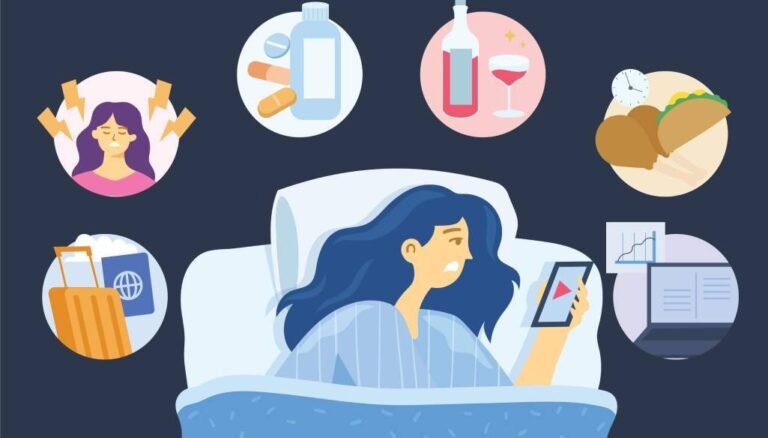
- Blue light – scrolling your phone before bed suppresses melatonin, keeping your brain “on.”
- Stress hormones – adrenaline can linger from caffeine, exercise, or arguments earlier in the day.
- Sleep struggles – insomnia and anxiety feed each other in a vicious cycle.
How Night Anxiety Feels
- Lying in bed, thoughts racing endlessly
- Stomach turning as you try to relax
- Restless tossing and turning
- Waking at 2–3 AM with your brain “on fire”
👉 In short: Night anxiety is like having a loud mental party just when your body is begging for silence.
4. Key Differences Between Morning Anxiety & Night Anxiety
| Feature | Morning Anxiety | Night Anxiety |
|---|---|---|
| Main Trigger | Cortisol spike & daily stress anticipation | Rumination, unresolved stress, poor sleep habits |
| Physical Sensations | Jittery, heart racing, “wired” | Heavy chest, restless mind, insomnia |
| Timing | Upon waking or early morning | At bedtime or middle of the night |
| Main Emotion | Feeling behind before the day starts | Fear of not being able to rest |
| Relief Strategy | Movement, grounding, food | Relaxation, routine, sleep hygiene |
5. Why Morning Anxiety Feels Different from Night Anxiety
It’s not just “time of day”—it’s biology + psychology + lifestyle.
- Hormones: Cortisol peaks in the morning, melatonin at night. Anxiety can hijack both.
- Blood Sugar: Low in the morning, stable at night—unless you’ve skipped meals.
- Cognitive Style: Morning anxiety = “what if today is too much?” Night anxiety = “what if I can’t stop thinking?”
- Sleep Patterns: Poor sleep worsens both, but in different ways.
6. Morning Anxiety Solutions: Starting the Day Calm
Here’s what helps tame the cortisol-fueled storm:
🌞 Practical Strategies
- Eat breakfast – protein + healthy carbs (eggs + oats, smoothie with nuts).
- Gentle movement – yoga, stretching, or a short walk calms nerves.
- Mindful mornings – try 5 minutes of deep breathing before looking at your phone.
- Limit caffeine – delay your coffee by 30–60 minutes after waking.
- Plan the night before – reduce morning overwhelm by prepping clothes, food, or to-do lists.
👉 Pro tip: If mornings feel chaotic, structure them the night before. Your brain loves predictability.
7. Night Anxiety Solutions: Ending the Day Peacefully
If your brain turns into a “midnight worry club,” here’s how to quiet it:
🌙 Practical Strategies
- Tech curfew – switch off screens at least 1 hour before bed.
- Wind-down ritual – tea, book, journaling, or stretching signals the brain it’s sleep time.
- Write it out – jot down worries or next-day tasks to “empty your head.”
- Breathing exercises – 4-7-8 breathing or progressive muscle relaxation.
- Sleep-friendly environment – dark room, cool temperature, no distractions.
👉 Pro tip: If you wake at 3 AM, don’t just toss and turn. Get up, do a calm activity (reading, journaling), then return to bed when sleepy.
8. When Morning Anxiety and Night Anxiety Overlap
Some people get both—wake up anxious, go to bed anxious, and feel like there’s no escape.
Common overlap triggers:
- Chronic stress
- Generalized Anxiety Disorder (GAD)
- Poor sleep hygiene
- Hormonal changes (e.g., menopause, thyroid imbalance)
👉 If both patterns dominate your life, it’s worth talking to a doctor or therapist.
9. Professional Help: When to Seek It
Everyone feels anxious sometimes—but if it’s daily, overwhelming, or interfering with sleep/work, it’s time for support.
Options include:
- Cognitive Behavioral Therapy (CBT) – effective for both morning and night anxiety.
- Medication – SSRIs or anti-anxiety meds, if prescribed by a doctor.
- Lifestyle support – nutritionists, sleep coaches, stress management strategies.
10. Healthy Lifestyle Habits That Help Both
- Exercise regularly – reduces cortisol and increases endorphins.
- Balanced diet – avoids blood sugar crashes that trigger anxiety.
- Consistent sleep schedule – regulates circadian rhythm.
- Limit alcohol/caffeine – both mess with anxiety and sleep.
- Mindfulness practice – even 10 minutes daily can reshape anxiety response.
11. FAQs: Morning Anxiety vs Night Anxiety
Is morning anxiety normal?
Yes, occasional morning jitters are common due to natural cortisol spikes. If it happens daily, it may be a sign of stress or an anxiety disorder.
Why is my anxiety worse at night?
At night, distractions fade, making unresolved stress louder. Blue light and poor sleep habits can also fuel night anxiety.
Can diet affect morning or night anxiety?
Yes. Skipping breakfast worsens morning anxiety, while heavy meals or caffeine late in the day worsen night anxiety.
Does exercise help both?
Absolutely. Morning workouts reduce cortisol, and light evening stretches promote relaxation before bed.
12. Conclusion: Same Anxiety, Different Clock
Morning anxiety and night anxiety are two sides of the same coin—just triggered by different body rhythms and thought patterns.
- Morning anxiety feels like your brain is already sprinting.
- Night anxiety feels like your brain refuses to stop running.
Neither is “worse” than the other. What matters is learning how to support your body’s rhythms, calm your mind, and create routines that make space for peace.
👉 The healthiest choice? Don’t fight the clock—work with it. Build calming rituals at both ends of your day, and remember: anxiety is manageable, especially when met with patience, balance, and the right tools.
✨ Keywords naturally included:
- morning anxiety vs night anxiety
- morning anxiety causes
- night anxiety symptoms
- how to calm anxiety at night/morning
- anxiety and sleep connection
- If you’re looking for more structured approaches, check out our Diet Plans section for meal guides tailored to weight loss, muscle gain, or balanced living.”
- For more tips and support, visit our Facebook page.