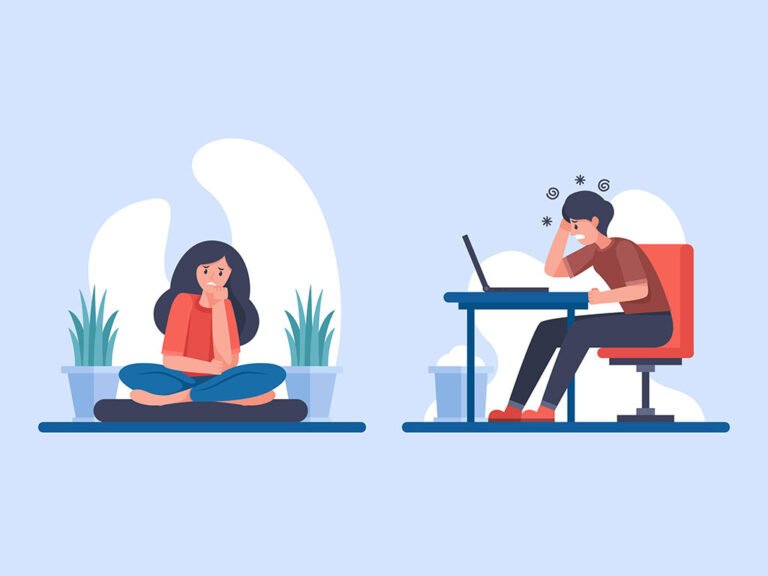

Sleep is one of our most essential needs—and yet for many people who head to bed with racing thoughts, it remains elusive. If you’re someone with a perpetual inner dialogue, prone to rehearsal of past mistakes or anticipating future problems, you may be familiar with the destructive combination of overthinking and sleep difficulties. In this article we’ll explore why those who tend to overthink often sleep less, how the cycle gets established and maintained, and what you can do to break out of it effectively.
10 Daily Habits for Better Mental Health and Less Anxiety
The Overthinking–Sleep Connection
What is overthinking?
Overthinking typically refers to the process of repeatedly replaying thoughts, imagining worst-case scenarios, or ruminating about things that could have been different. It is closely linked with rumination and worry—but what sets it apart is its time-consuming, repetitive nature: thoughts loop instead of moving toward resolution. When overthinking happens at bedtime, we might ask ourselves: “Why am I lying here awake again? What if …?”
Importantly, this kind of mental activity increases arousal—both cognitive and physiological. When your mind is active and your body is expecting rest, there’s a mismatch. In short: overthinking tends to get in the way of the very thing our brain and body need to switch into for sleep (relaxation, down-regulation, letting go).
How overthinking and sleep interact
In empirical research, the theme of “pre‐sleep cognitive activity” emerges as a barrier to initiating sleep. A 2025 study found a significant positive relationship between overthinking, anxiety and poor sleep quality in young adults. psychopediajournals.com In other words: the more someone reported tendencies toward overthinking, the worse their subjective sleep quality.
Another study looking at repetitive negative thinking (a close cousin of overthinking: rumination, worry) found that this pattern was a trait-vulnerability for the development of insomnia symptoms. When one lies in bed thinking about all the things yet undone, rereading conversations, or projecting into the future, the brain remains in a thinking mode—and that makes sleeping harder.
Sleep researchers refer to this mismatch as a “cognitive arousal” problem: instead of the brain winding down, it stays wired. The body may follow suit: elevated heart rate, tension, even muscle readiness. All of this is incompatible with healthy sleep onset. So, overthinkers often sleep less simply because their minds are still active when they should be shutting off.
Mechanisms: Why overthinking steals sleep
1. Cognitive arousal and delayed sleep onset
One of the main ways overthinking interferes with sleep is by prolonging the sleep onset latency—that is, the time it takes someone to actually fall asleep. When your mind is busy, the brain’s arousal systems (like the hypothalamic–pituitary–adrenal axis) may remain engaged. High levels of stress or worry correlate with longer time to fall asleep. For example, one review found that high stress impairs sleep by both holding you awake and fragmenting sleep later.
Because your brain is “on”, you start later and often get fewer total hours of sleep. Over the course of nights, this can add up to significant sleep deprivation—especially if it becomes a chronic pattern.
2. Night-time rumination and disrupted sleep maintenance
Falling asleep is only the first part. Overthinking also threatens sleep maintenance—the ability to stay asleep through the night. When intrusive thoughts trigger awakenings, or when the brain cycles back into rumination during light sleep phases, the result is fragmented sleep and early morning awakenings. A structural equation model found that rumination (a form of overthinking) and social anxiety mediated the effect of stress on sleep quality. SpringerOpen
In short: overthinking doesn’t just delay sleep—it also makes sleep less stable and less restorative.
3. Hyper‐reactivity to stress (sleep reactivity)
Some people have what’s called high sleep reactivity: they are more vulnerable to insomnia when exposed to stressors. Studies show that individuals with high sleep reactivity are more likely to develop chronic insomnia symptoms. Overthinking and rumination amplify this vulnerability—when your mind fixates, you’re essentially exposing yourself to internal stressors (worry, rehearsal) even if the external day-to-day environment is calm.
So the combination of overthinking + stress reactivity = a recipe for insufficient sleep.
4. The vicious cycle: overthinking → poor sleep → more overthinking
Here’s the spiral: you go to bed, your mind starts racing; you fall asleep late; you wake up tired; the next day you worry about how tired you feel, you rehearse mistakes or future problems; you lie down again and the process repeats.
Sleep loss reduces emotional regulation and increases negative affect. Research shows that poor sleep is associated with increased anxiety, depressive symptoms, and reduced ability to manage mental stress. This means the next night your capacity to quiet your mind is lower, making overthinking more likely. The cycle reinforces itself—and because of that, overthinkers often end up sleeping less for prolonged periods.
5. Physiological factors: cortisol, sympathetic arousal, and brain networks
Overthinking doesn’t just happen in the mind—it has physiological consequences. Elevated cortisol, sympathetic nervous system activation, and increased vigilance are common when someone is ruminating or anxious about the future. That state is antithetical to sleep, which requires parasympathetic dominance (the “rest and digest” branch).
Further, neuroscience shows that persistent rumination keeps certain neural networks active (default mode network, etc.) that should be deactivated when falling asleep. The result? A brain that stays partly “awake”, limiting deep restorative sleep phases.
Manifestations: What sleeping less looks like for overthinkers
Difficulty initiating sleep
You may lie in bed with your eyes closed, ready to fall asleep, but your mind shifts into review mode—what happened today, what you still need to do tomorrow, what you should have said, what might happen. Because of this, you take longer to fall asleep than you expect.
Frequent awakenings or early morning wake-ups
Once asleep, these intrusive thought patterns may resurface in lighter sleep stages (or if a small external disturbance occurs). You wake up, your mind fills with “I must fall back asleep, I cannot wake up tired”, and the cycle continues.
Feeling less rested despite time in bed
If you spend 8 hours in bed but are awake for 45 minutes before sleep and wake up multiple times, the effective “sleep dose” is reduced. Over time you may feel the sleep you got was not restorative. Research indicates that people with lower sleep quality report lower overall mental health and less rest even when time in bed is similar.
Daytime cognitive and emotional effects
Less sleep means greater irritability, diminished concentration, more difficulty regulating emotions. Because overthinking is often linked to anxiety and depression, there can be a dual burden: mental health symptoms + sleep deprivation making them worse. For example, a study found that anxiety and depression were supra-additive with respect to sleep quality problems.
Why some people are more prone than others: Individual differences
Trait rumination/overthinking
The 2023 longitudinal study on repetitive negative thinking found the trait component (i.e., stable tendency to ruminate) was a stronger predictor of insomnia symptoms than the momentary state component. In other words, if you are a habitual overthinker, you have a higher baseline risk of sleep problems.
Sleep reactivity and vulnerability
As mentioned earlier, some people’s sleep systems are more reactive—that is, they’re more easily disrupted by stress or internal arousal. Overthinking acts as an internal stressor, so the combination spells trouble.
Cognitive style and coping strategies
Individuals who tend to worry, blame themselves, or catastrophize may be more likely to overthink, particularly in the quiet of the evening. If your coping style is “thinking things through” rather than “letting go,” the bedtime hour becomes a battleground of thought.
Environmental & lifestyle factors
Poor sleep hygiene (screen use late at night, caffeine, erratic schedule), high stress jobs, major life changes—all these amplify the risk that overthinking will invade your sleep time. Also, using bed for work, worry or replaying the day reinforces mental association between bed and overthinking rather than bed and rest.
Tackling the problem: How to break the overthinking and sleep cycle
If you recognise that overthinking is causing you to sleep less, you’re already part way there. The next step is to adopt strategies that disrupt the cycle at multiple points. The aim is to reduce cognitive arousal, restore sleep capacity, and build a healthier sleep-thinking relationship.
1. Create a pre-bedtime buffer (reduce overthinking before bed)
- Worry-window technique: Set aside a 15–20 minute slot earlier in the evening to write down your worries, plan tasks, or process the day. When the time is up, close the file. By doing this, you confine overthinking to an allotted time and signal to the brain that after this you’re moving into rest mode.
- Brain dump / journaling: Write down whatever is on your mind before bed—past regrets, future possibilities, tasks. Transfer from mind to paper reduces mental load and interrupts the “what if?” loop.
- Transition ritual: One hour before bed, switch into low-thinking mode—no complex planning, no emotionally heavy media. Use relaxation, reading light fiction, or gentle stretching.
These measures reduce the cognitive load entering bedtime and help your brain shift gears.
2. Manage the environment and sleep hygiene
Even the best mental change will struggle if your environment undermines sleep. Key points:
- Go to bed and wake up at roughly the same time every day (including weekends) to stabilise your circadian rhythm.
- Reserve bed for sleep —not work, worry-journaling, or screen time. That helps your brain associate bed with rest.
- Keep the bedroom dark, cool, quiet and remove screens at least 30–60 minutes before bed. Blue light and interactive stimuli encourage thinking and block melatonin release.
- Avoid caffeine late in the day, heavy meals close to bedtime, alcohol (which fragments sleep), and excessive napping.
These foundational steps reduce physiological and environmental inputs that complement overthinking.
3. Use cognitive strategies to shift thinking
When the mind remains buzzing at bedtime, specific strategies help redirect the train of thought:
- Thought-blocking or substitution: As suggested by sleep-intervention resources, you might choose a word (e.g., “relax”) or visualise a simple neutral image (a triangle, a blank horizon), and every time an intrusive thought comes you redirect to the word or image. sleepstation.org.uk
- Cognitive shuffling: A newer technique, popularised online, where you imagine unrelated words/images in sequence (e.g., “tree, spoon, cloud, kitten …”) to defeat the looping of worry thoughts. According to media sources, it helps “disrupt the cycle of rumination that often keeps someone awake”. Real Simple
- Mindfulness/acceptance: Rather than battling thoughts, notice them non-judgmentally and let them pass like clouds. This reduces their emotional charge and reduces arousal.
- Scheduled worry time: If a worry comes up at 2 a.m., remind yourself “I’ll handle that at the worry-window tomorrow” and shift back to a relaxation cue. Over time this weakens the power of midnight overthinking.
4. Build a relaxation protocol
In addition to reducing thought activation, you want to increase body and mind readiness for sleep:
- Progressive muscle relaxation: Tensing then relaxing muscle groups helps down-regulate the nervous system.
- 4-7-8 breathing / box breathing: Slowing your breathing naturally signals to your body that it’s time to relax.
- Guided imagery: Picture a calming scene in detail (the sound of waves, the warmth of sunlight) and immerse yourself there instead of looping worries.
- Light stretching or yoga: Gentle movement helps release physical tension that often accompanies mental tension.
5. Improve daytime habits to protect night
Since overthinking and sleep are intertwined, daytime behaviours matter:
- Exercise regularly: 20-30 minutes of moderate aerobic exercise has been shown to improve sleep quality. (But avoid vigorous exercise too close to bedtime.)
- Limit stimulants & screen time: Avoid caffeine after mid-afternoon and reduce evening screen exposure. Late-night social media can stimulate overthinking (“Did I send the right message?”, “What if …?”).
- Structured worry time: Even during the day, reduce unstructured rumination time by giving yourself set times to plan or worry, and the rest as thinking-free.
- Social connection: Talking through issues with friends or professionals during the day reduces the chance they bubble up at night.
- Mind the diet and alcohol: Heavy, rich meals or alcohol near bedtime can fragment sleep and increase waking, giving more opportunity for overthinking episodes.
6. When to seek professional help
If you’ve tried multiple strategies and still find that overthinking and sleep problems persist—especially accompanied by anxiety, depression, or daytime impairment—it may be time to seek professional support. One highly effective approach is Cognitive Behavioral Therapy for Insomnia (CBT-I), which addresses both sleep behaviour and the cognitions that hinder sleep. Wikipedia
Also, if your overthinking extends beyond bedtime and into many hours a day (e.g., persistent worry, catastrophising, rumination linked to a mood or anxiety disorder), consulting a psychologist or psychiatrist can help manage the upstream problem so the sleep downstream improves too.
Breaking the cycle: Example of a sleep rehabilitation plan
Here’s an illustrative 2-week plan for someone experiencing the overthinking and sleep cycle. Adjust timing to your schedule and preferences.
Week 1
- Daytime: Set aside 20 minutes each evening for “worry time”. During the rest of the evening, avoid mental work or planning.
- Evening: At 9:00 p.m. (for example), switch off screens, dim lights, and start your wind-down ritual: light stretching → journaling 5 minutes → write tomorrow’s to-do list → brush teeth → ready for bed.
- Bedtime: Use the “relax cue” method. Lie in bed, breathe slowly (4-7-8 method). If a thought arises, say “Thank you for that thought, I’ll think about it tomorrow”, and return to your cue.
- If awake in the night: Use thought-blocking or shuffling (imagine neutral images, or count backward in steps of 7). If you can’t fall asleep in 20 minutes, get out of bed, sit in dim light and read something bland until you feel sleepy again.
- Daytime habit: Exercise for 20 minutes morning/afternoon (not close to bedtime). Avoid caffeine after 3 p.m. No alcohol within 3 hours of bed.
Week 2
- Continue steady schedule, but add guided imagery before bed: e.g., visualise walking on a beach, noticing sounds, smells.
- Increase journaling to include “grateful thoughts” (write three small positive things from the day) to shift the mental tone away from worry.
- Monitor progress: Keep a sleep journal noting when you went to bed, when you thought you fell asleep, awakenings, and how rested you felt. Also note how many times your mind looped.
- After six nights of this schedule, evaluate: Are you falling asleep faster? Less awake during the night? Is your morning mood better?
If yes → gradually maintain and fine‐tune.
If no → it may be time to seek professional support for CBT-I or cognitive behavioural therapy focused on rumination.
Additional considerations for overthinkers
Recognise the value of “productive” vs “unproductive” thinking
Many overthinkers are high-performing people who use thinking as their tool. The challenge comes when thinking becomes unproductive—repetitive, stuck, emotionally charged rather than actionable. Differentiating between helpful planning and looping worry is key. When you’re lying in bed and wondering “What if this happens?”, ask: “Is this actionable right now? Or am I just rehearsing?” If it’s the latter—time to pause.
Tackle triggers of overthinking
Often overthinking is triggered by certain patterns: conflict in relationships, career stress, major changes, or perfectionist attitudes. Addressing those root triggers can reduce the load of night-time mental rehearsal. For example, if you find you lie awake replaying a conversation at work, you might schedule a check-in during the day with a colleague or supervisor. By doing so you reduce the unresolved cognitive burden entering bedtime.
Accept imperfection and uncertainty
Overthinkers often hope that intense thinking will solve every problem and guarantee the best outcome. But life is uncertain. By practising acceptance of ambiguity and imperfection (for example via mindfulness, self-compassion), you reduce the internal pressure that fuels night-time rumination. A mindset that says “I’ll do what I can—then let it go” is a friend to better sleep.
Leverage “sleep mindset”
Consider the idea that sleep is not a luxury, it’s a necessity. Some overthinkers feel guilty or restless if they’re not “doing something” up to the last second of the day. This mindset can extend into lying awake thinking about all the tasks undone. Try flipping the script: recognise that sleep enhances your performance tomorrow—less thinking at night may actually give you more thinking capacity the next day.
Keep expectations realistic
If you’ve been sleeping poorly for months or years, you might not suddenly jump to perfect sleep overnight. The goal is incremental improvement: shorter time to fall asleep, fewer awakenings, better refreshment in the morning. Over time your brain develops a new habit of winding down rather than winding up. Celebrate small wins.
Why this matters: The cost of sleeping less due to overthinking
Sleeping less is not just about feeling tired—it carries serious mental and physical health implications. Research shows that poor sleep quality is causally related to worse mental health outcomes: a meta-analysis found that improving sleep significantly improved depression, anxiety, stress and rumination. PMC
Further: Sleep deprivation compromises emotional regulation, amplifies negative mood, and can accelerate the risk of anxiety disorders. For overthinkers—who may already carry heavier loads of worry—sleep compromise adds fuel to the fire.
On the physical front, insufficient restorative sleep is linked to impaired immune function, endocrine dysregulation, higher risk of cardiovascular disease, impaired metabolism, and reduced cognitive performance.
So when overthinking causes you to sleep less, the impacts extend beyond the night—they affect your mood, cognition, relationships and long-term health.
By understanding the mechanics of how overthinking and sleep disturb each other, and by adopting practical interventions that cover both the cognitive side (thoughts) and the sleep side (behaviours, environment), you can begin to restore healthier patterns. The next steps: commit to the plan, monitor your progress, adjust as needed—and be patient with yourself as your brain learns a new way to rest rather than rehearse.
FAQ: Overthinking and Sleep
1. Why does my mind start racing only when I go to bed?
At night, distractions fade—no emails, no noise, no tasks—so your brain finally has space to process unresolved thoughts. For overthinkers, this quiet often becomes a trigger for mental chatter. Without external stimuli, the mind turns inward and starts looping through worries or memories, which delays sleep.
2. Can overthinking actually cause insomnia?
Yes. Research has repeatedly linked repetitive negative thinking, rumination, and worry with both short-term and chronic insomnia. Overthinking increases cognitive arousal, which prevents the body from entering a relaxed state necessary for sleep. Over time, this can form a learned association between “bedtime” and “mental overactivity,” sustaining insomnia symptoms.
3. Does lack of sleep make overthinking worse?
Absolutely. Sleep deprivation impairs emotional regulation and decision-making, making the mind more reactive and anxious. When you’re tired, the brain’s amygdala (emotional center) becomes more active, while the prefrontal cortex (rational control) weakens. The result is more rumination, catastrophizing, and a lower ability to “let go.”
4. What are quick techniques to calm my mind before bed?
Try mindfulness breathing, progressive muscle relaxation, or a “worry journal.” Writing thoughts down helps externalize them, and slow breathing lowers heart rate and cortisol levels. You can also try the cognitive shuffle method—think of random, unrelated words or objects to divert your brain from looping worries.
5. How long does it take to fix overthinking-related sleep problems?
Improvement can begin within 2–3 weeks if consistent bedtime routines and relaxation strategies are practiced daily. However, if overthinking is deeply ingrained or linked to anxiety or depression, recovery may take longer and might require professional therapy, especially Cognitive Behavioral Therapy for Insomnia (CBT-I).
6. Should I use sleeping pills to deal with overthinking and sleep loss?
Sleeping pills might offer temporary relief but don’t treat the root cause—mental overactivity and anxiety. They also carry risks of dependency or rebound insomnia once discontinued. Behavioral and cognitive approaches are more effective long-term. If medication seems necessary, always consult a licensed medical professional before starting.
7. Does technology increase overthinking at night?
Yes. Blue light from screens suppresses melatonin (your sleep hormone) and the constant flow of digital information keeps your mind stimulated. Doom-scrolling, social comparisons, or late-night texting trigger emotional and cognitive arousal—fuel for overthinking. It’s best to log off 30–60 minutes before bed and engage in low-stimulation activities instead.
8. Can overthinking during dreams also disrupt sleep?
Indirectly, yes. Overthinkers often experience lighter sleep and more frequent awakenings, which can increase dream recall or disturbing dreams. Emotional intensity from unresolved daytime thoughts can spill into dream content, leading to restless nights. Calming the mind before sleep helps reduce this.
9. Are naps okay for overthinkers with sleep trouble?
Short naps (20–30 minutes) in the early afternoon can help restore energy without disrupting nighttime sleep. However, long or late naps can make it harder to fall asleep at night, especially if you already struggle with delayed sleep onset due to overthinking.
10. When should I see a professional?
If your overthinking and sleep issues last longer than 3 months, cause distress, or interfere with daily life, seek professional help. Psychologists trained in CBT-I or therapists specializing in anxiety can provide tailored tools. If insomnia coexists with depression, panic, or chronic stress, psychiatric evaluation might also be appropriate.
Conclusion
Overthinking and sleep have a complex, cyclical relationship: the more we dwell on our thoughts, the harder it becomes to rest—and the less we rest, the more uncontrollable our thoughts feel. This feedback loop traps many people in chronic fatigue, emotional reactivity, and reduced mental health.
Breaking the cycle requires a multi-pronged approach: retraining the mind to disengage from unproductive thought patterns, optimizing sleep hygiene, and adopting cognitive relaxation techniques. By addressing both the psychological and physiological components, you teach your brain that night is a time for rest, not reflection.
It’s important to remember that progress often comes gradually. Every night you manage to slow your thoughts and every morning you wake more refreshed, you’re rewiring your brain for peace and restoration. With persistence—and, if needed, professional guidance—you can silence the late-night chatter, restore your sleep, and reclaim your mental clarity.
In essence, overcoming the struggle between overthinking and sleep isn’t about forcing your brain to stop thinking—it’s about teaching it when to stop.
Desi Mediterranean Diet for Weight Loss: A Flavourful Fusion for a Healthier You