Introduction: Why Sustainable Nutrition Matters in 2025
In 2025, food isn’t just fuel — it’s a choice that impacts both personal health and the planet’s survival. With rising global temperatures, deforestation, and overfished oceans, our plates are powerful tools for change. The concept of Sustainable Nutrition sits at the intersection of human well-being and environmental responsibility.
Simply put, Sustainable Nutrition means eating in ways that nourish your body and reduce harm to ecosystems. It’s about optimizing what we eat for longevity, biodiversity, and global food equity — not just calories or macros.
As more people realize how diet choices affect climate change, the focus has shifted from short-term diet fads to long-term sustainability. Whether it’s cutting food waste, choosing plant-based meals, or supporting regenerative agriculture, the new frontier of health is deeply connected to the planet.
Gut-Brain Nutrition: How What You Eat Affects Mood, Focus & Sleep
What Is Sustainable Nutrition?
Sustainable Nutrition combines two goals:
- Personal health — eating nutrient-dense, whole foods that promote physical and mental wellness.
- Planetary health — ensuring the way food is produced, packaged, and distributed minimizes environmental damage.
According to the EAT-Lancet Commission on Food, Planet, Health, sustainable diets “promote human health and well-being while remaining within planetary boundaries.”
This approach encourages:
- More plant-based proteins (legumes, nuts, tofu)
- Seasonal and local produce
- Reduced ultra-processed foods
- Responsible animal product consumption
- Minimization of food waste
- Support for ethical and regenerative food systems
In other words, Sustainable Nutrition isn’t just what you eat — it’s how it’s grown, transported, and consumed.
EAT-Lancet Commission Report on Food, Planet, Health
The Science Behind Sustainable Nutrition
1. Nutrition Meets Ecology
The average diet contributes up to 30% of global greenhouse gas emissions, mostly from livestock, fertilizers, and transport. Shifting toward sustainable foods can cut personal carbon footprints by 40–70%.
For instance:
- Reducing red meat intake even by half can lower dietary emissions significantly.
- Switching to local and seasonal produce reduces transportation-related emissions.
- Whole, minimally processed foods require less packaging and energy to produce.
2. Biodiversity and Food Security
A diverse diet supports a diverse planet. Overreliance on a few staple crops (like wheat, corn, and soy) leads to monoculture farming, which depletes soil and reduces biodiversity. Sustainable Nutrition promotes a wider variety of plants and proteins — helping ecosystems recover and ensuring food security for future generations.
3. Human Health Benefits
Sustainable diets are naturally rich in:
- Fiber (gut and heart health)
- Phytonutrients (antioxidant protection)
- Healthy fats (omega-3s from seeds, nuts, and algae)
- Complex carbohydrates (steady energy and improved focus)
The result? Lower rates of chronic diseases such as type 2 diabetes, cardiovascular issues, and certain cancers — while aligning with ecological sustainability.
The Core Principles of Sustainable Nutrition
1. Eat More Plants
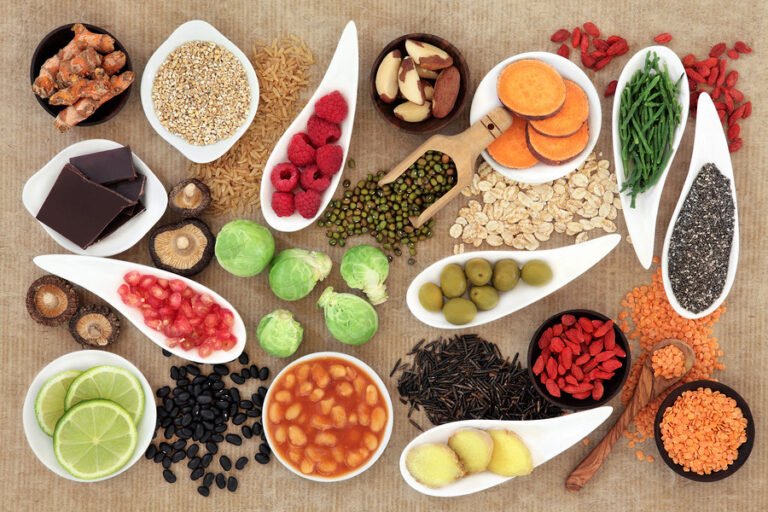
Plant-based diets are a cornerstone of Sustainable Nutrition. Not everyone must go vegan, but even a flexitarian shift — reducing meat frequency — makes a big difference. Lentils, beans, quinoa, and mushrooms offer protein with minimal environmental cost.
2. Prioritize Local and Seasonal Foods
Eating seasonally supports local farmers, reduces transport emissions, and ensures fresher, nutrient-rich foods. Seasonal eating also reconnects people to natural growing cycles, promoting mindful consumption.
3. Choose Regenerative and Organic Options
Regenerative agriculture restores soil health, sequesters carbon, and enhances biodiversity. Supporting regenerative farms and organic produce contributes directly to planetary well-being.
4. Minimize Food Waste
Roughly one-third of all food produced globally is wasted. Sustainable Nutrition emphasizes planning meals, storing food properly, and using leftovers creatively. Composting food scraps can further reduce waste impact.
5. Diversify Your Diet
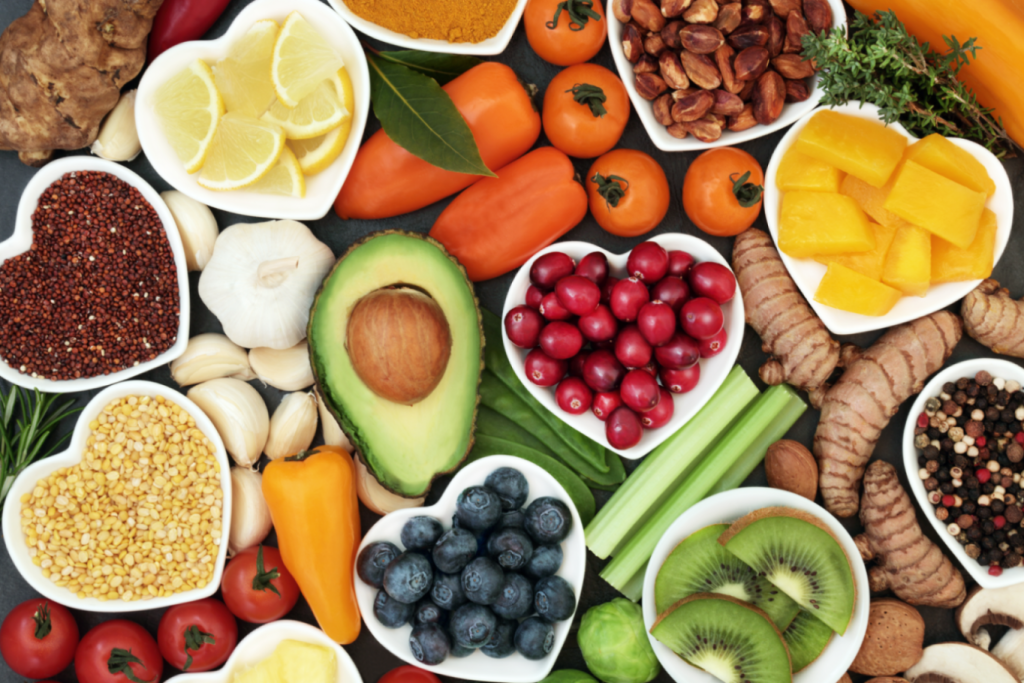
Eat the rainbow — literally. Different colored fruits, grains, and vegetables provide unique nutrients and reduce agricultural strain by diversifying demand.
6. Sustainable Protein Choices
Plant-based proteins (tofu, tempeh, beans, lentils) have far lower carbon footprints than meat. If you do eat animal products, choose:
- Pasture-raised or grass-fed options
- Sustainable seafood (certified by MSC or ASC)
- Local sources with transparent practices
7. Reduce Processed and Packaged Foods
Highly processed foods not only harm health but also the planet — due to energy-intensive manufacturing and single-use packaging. Prioritize whole foods and reusable or compostable packaging options.
Sustainable Nutrition and Mental Health
Emerging research in 2025 highlights the gut-brain axis, showing how a healthy microbiome supports emotional balance and cognition. Diets emphasizing whole plant foods, fermented items (like kimchi, miso, and yogurt), and omega-3-rich seeds help reduce anxiety, depression, and cognitive decline.
Sustainable Nutrition isn’t just about environmental health — it directly contributes to mental resilience and emotional stability.
How Sustainable Nutrition Affects the Planet
| Diet Choice | Environmental Impact |
|---|---|
| Beef-heavy diet | High methane and land use |
| Mediterranean diet | Moderate impact |
| Plant-based diet | Low emissions and high biodiversity support |
| Regenerative diet | Negative carbon footprint (carbon-sequestering farms) |
Switching to a Sustainable Nutrition pattern globally could reduce agricultural emissions by up to 70%, improve soil fertility, and free millions of hectares for reforestation.
This dietary evolution also ensures equitable food distribution, addressing world hunger by optimizing resource use — fewer inputs for greater outputs.
2025 Trends in Sustainable Nutrition
- Carbon-Labeling on Foods — Supermarkets are introducing carbon footprint labels to help consumers choose eco-friendly items.
- Regenerative Product Lines — Major food brands now source ingredients from regenerative farms.
- Sustainable Protein Alternatives — Innovations in mycoprotein, algae, and lab-grown meat continue to scale.
- Smart Kitchens for Waste Reduction — AI-driven apps and smart fridges suggest recipes based on expiring ingredients.
- Blue Foods Movement — Sustainable aquaculture and plant-based seafood alternatives are on the rise.
- Local Food Networks — Community-supported agriculture (CSA) programs are expanding, reducing reliance on industrial food systems.
Building a Sustainable Nutrition Lifestyle
Step 1: Audit Your Diet
Track what you eat for a week. Identify areas with high carbon impact — meat-heavy meals, imported produce, or processed snacks.
Step 2: Swap Smartly
- Replace beef with lentils or chickpeas once or twice a week.
- Try oat or almond milk instead of dairy occasionally.
- Choose local produce over imported ones.
Step 3: Reduce Waste
Plan meals, use leftovers, and compost what’s left. Apps like Too Good To Go help save food from restaurants and stores.
Step 4: Support Sustainable Brands
Look for certifications like:
- Fair Trade
- USDA Organic
- Rainforest Alliance
- B Corp
- MSC/ASC (for seafood)
Step 5: Educate and Share
Encourage others to make small changes — community impact multiplies quickly.
Challenges to Achieving Sustainable Nutrition
While promising, widespread adoption faces challenges:
- Cost: Organic or local foods can be more expensive.
- Accessibility: Food deserts still limit healthy choices for many.
- Misinformation: Greenwashing and confusing labels mislead consumers.
- Cultural Habits: Traditional diets may resist change.
Solutions include government subsidies for sustainable farms, corporate accountability in supply chains, and community-led education programs.
The Future of Sustainable Nutrition
By 2030, experts expect that sustainable diets will be the norm rather than the exception. AI and blockchain will make food traceability transparent, allowing consumers to see exactly how their food was produced and its impact on the planet.
Personalized nutrition apps will merge with sustainability data, helping users choose diets tailored not only to their biochemistry but also to ecological ethics.
Sustainable Nutrition is no longer a trend — it’s the foundation of future wellness.
FAQs About Sustainable Nutrition
1. Is Sustainable Nutrition the same as a vegan diet?
Not necessarily. While plant-based diets are key to sustainability, Sustainable Nutrition doesn’t demand full veganism. It’s about balance, moderation, and making eco-conscious food choices.
2. How can I eat sustainably on a budget?
Focus on seasonal produce, legumes, and bulk grains. Avoid expensive processed vegan substitutes. Local farmers’ markets and community gardens offer affordable options.
3. What are the easiest first steps toward Sustainable Nutrition?
Start small — reduce meat intake, plan meals to avoid waste, and choose foods with minimal packaging. Over time, these habits become effortless.
4. Does Sustainable Nutrition meet all my nutrient needs?
Yes — when done thoughtfully. A variety of whole grains, fruits, vegetables, nuts, and legumes provide complete nutrition. For vegans, supplements like B12 and omega-3 (from algae) may be necessary.
5. How can restaurants support Sustainable Nutrition?
By sourcing local produce, reducing portion waste, offering plant-forward menus, and using compostable or reusable packaging.
Conclusion: Eat Mindfully, Live Sustainably
The future of health is deeply tied to the health of our planet. Sustainable Nutrition represents the ultimate synergy between personal well-being and ecological balance.
Each bite is a vote — for clean air, fertile soil, and thriving oceans. You don’t need to overhaul your diet overnight. Even small, consistent steps — buying local produce, cutting down meat, avoiding waste — contribute to massive global change when multiplied by millions.
By embracing Sustainable Nutrition, you nourish yourself and the Earth simultaneously. It’s not just a diet — it’s a movement toward mindful living, planetary respect, and a truly sustainable future.\