Sustainable weight loss in 2026 focuses on building lifelong habits rather than chasing quick fixes. With rising awareness of metabolic health, GLP-1 medications, and evidence-based lifestyle changes, people increasingly recognize that fad diets—extreme restrictions promising rapid results—often lead to rebound gain, nutrient deficiencies, and frustration. To avoid fad diets, shift toward gradual, realistic strategies that prioritize consistency, nutrient balance, and enjoyment.
Evidence from sources like the National Weight Control Registry (NWCR), recent meta-analyses, and 2026 guidelines emphasizes that long-term success comes from moderate calorie deficits, high-protein/fiber eating, regular movement, self-monitoring, and behavioral adjustments. Slow loss (0.5-1 kg/week) preserves muscle, metabolism, and motivation far better than crash approaches. This guide explores proven habits to avoid fad diets and achieve lasting results.
Digital Detox Tips: How to Unplug for Better Emotional Wellness
Why You Should Avoid Fad Diets for Sustainable Weight Loss
Fad diets, from juice cleanses to ultra-low-carb extremes, create temporary deficits but trigger metabolic adaptation, muscle loss, and psychological rebound. Studies show most regain weight within 1-5 years due to unsustainability and hormonal changes (e.g., increased ghrelin hunger signals).
To avoid fad diets, adopt evidence-based patterns like Mediterranean or high-fiber/protein approaches, which support satiety, energy, and adherence without elimination of food groups.
The Foundation: Create a Moderate, Sustainable Calorie Deficit to Avoid Fad Diets
Aim for 500-750 calorie daily deficit through food and activity for 0.5-1 kg weekly loss. Track initially but transition to intuitive cues.
This method preserves resting metabolic rate (RMR) and avoids the starvation response common in fad diets.
Habit 1: Prioritize Protein and Fiber to Avoid Fad Diets
High-protein (1.6-2.2 g/kg) and high-fiber (>25-30 g/day) intake curbs hunger and preserves lean mass. Sources: lean meats, eggs, legumes, veggies, berries.
This habit supports satiety without restrictive rules, making it easier to avoid fad diets.
Habit 2: Focus on Whole, Nutrient-Dense Foods to Avoid Fad Diets
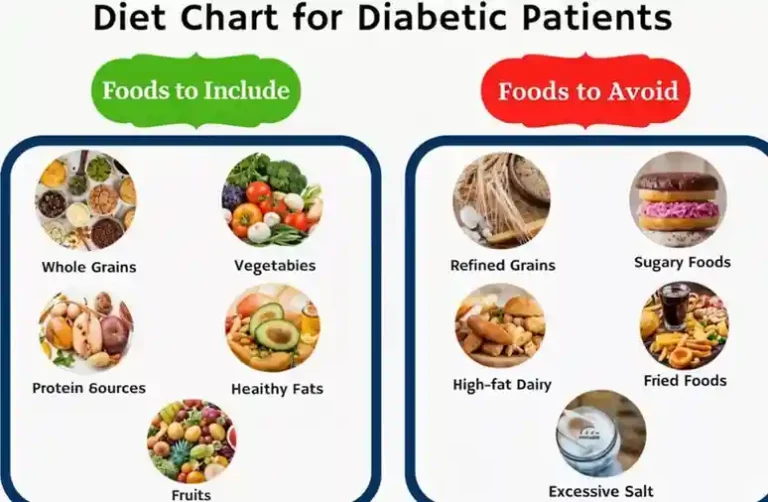
Emphasize vegetables/fruits (half plate), whole grains, healthy fats (avocado, nuts, olive oil), and lean proteins. Limit processed items, added sugars.
Whole-food focus naturally lowers calories while nourishing the body—key to sustainability.
Habit 3: Build Consistent Movement Without Overdoing It to Avoid Fad Diets
Incorporate 150-300 minutes moderate activity weekly (walking, strength training 2-3x). Add NEAT (non-exercise activity): stairs, standing desk.
Regular movement boosts calorie burn and mood without extreme workouts that lead to burnout.
Habit 4: Practice Mindful and Intuitive Eating to Avoid Fad Diets
Eat slowly, honor hunger/fullness, minimize distractions. This prevents overeating and emotional triggers common in restrictive plans.
Mindfulness fosters a healthy relationship with food, essential for long-term success.
Habit 5: Prioritize Sleep and Stress Management to Avoid Fad Diets
7-9 hours quality sleep regulates hunger hormones; chronic stress elevates cortisol and cravings.
Consistent routines (bedtime, relaxation) enhance adherence and metabolic health.
Habit 6: Self-Monitor Progress Realistically to Avoid Fad Diets
Track weight weekly, measurements, energy, or photos—not daily scales. Celebrate non-scale victories.
Self-monitoring predicts maintenance without obsession.
Habit 7: Allow Flexibility and Enjoyment to Avoid Fad Diets
Include treats in moderation; plan social meals. All-or-nothing thinking fuels failure.
Flexibility sustains motivation and prevents rebound.
For more evidence-based advice, see Mayo Clinic: Weight Loss. Explore Harvard Health: Diet and Weight Loss. Check CDC: Healthy Weight Loss.
Combining Habits for a Personalized Sustainable Plan
Start with 2-3 habits (e.g., protein + walking). Adjust based on progress. Consider professional support (dietitian, coach) if needed.
Conclusion
Sustainable weight loss in 2026 thrives on habits that last—moderate deficits, nutrient-rich eating, movement, sleep, mindfulness, monitoring, and flexibility—allowing you to avoid fad diets and their pitfalls. These evidence-based strategies preserve metabolism, build enjoyment, and support lifelong health. Progress may be gradual, but results endure. Start small, stay consistent, and seek guidance for personalization. Lasting change comes from lifestyle, not trends.
FAQs
Why should I avoid fad diets for sustainable weight loss?
Fad diets cause rebound gain, muscle loss, and metabolic slowdown; sustainable habits preserve health and adherence.
What is a realistic weight loss rate to avoid fad diets?
0.5-1 kg per week via moderate changes—safe, maintainable, and metabolism-friendly.
How do protein and fiber help avoid fad diets?
They promote fullness, stabilize blood sugar, and support muscle—reducing hunger without extremes.
Can I still eat treats while trying to avoid fad diets?
Yes—moderation and planning prevent deprivation and support long-term success.
How important is sleep for sustainable weight loss?
Critical—poor sleep disrupts hormones and increases cravings; prioritize 7-9 hours.