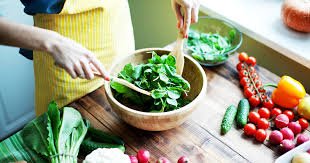
Adopting a vegan diet can bring numerous health benefits — from improved heart health to reduced inflammation and a lower environmental footprint. However, transitioning to a plant-based lifestyle isn’t always straightforward. Many people unintentionally make vegan diet mistakes that can lead to nutrient deficiencies, low energy, or digestive discomfort.
Whether you’re a beginner or a seasoned plant-based eater, understanding these pitfalls can help you maximize your health while staying cruelty-free. This guide explores the most common vegan diet mistakes, explains why they happen, and offers practical solutions to avoid them.
Title Page Separator Site title
Vegan Keto: Yes, It’s Possible — Here’s How to Balance It
🥗 Why People Make Vegan Diet Mistakes
A vegan diet removes all animal products, which requires careful planning to ensure you still get essential nutrients. Common factors leading to vegan diet mistakes include:
- Relying too heavily on processed vegan foods
- Ignoring protein variety
- Skipping key vitamins and minerals
- Failing to plan balanced meals
Without awareness, these missteps can undermine your health, energy, and sustainability on a vegan diet.
Harvard Health – Vegan Diet Tips
🍽️ Mistake 1: Not Getting Enough Protein
One of the most frequent vegan diet mistakes is insufficient protein intake. Protein is vital for muscle maintenance, immune function, and overall metabolism.
How It Happens:
- Over-reliance on grains like rice or pasta
- Not incorporating legumes, tofu, tempeh, or seitan
- Believing protein is only available in animal products
How to Fix It:
- Include legumes (lentils, chickpeas, beans) in each meal
- Add tofu, tempeh, edamame, or seitan as primary protein sources
- Sprinkle hemp seeds, chia seeds, or nuts over salads or smoothies
- Consider plant-based protein powders for convenience
💡 Tip: Aim for 0.8–1.0 grams of protein per kilogram of body weight daily for general health, more if active.
🥛 Mistake 2: Ignoring Vitamin B12
Vitamin B12 is essential for red blood cell formation, brain health, and nerve function. Deficiency is one of the most serious vegan diet mistakes because B12 is naturally found only in animal products.
How to Avoid Deficiency:
- Take a B12 supplement (cyanocobalamin or methylcobalamin)
- Consume fortified foods such as plant milks, cereals, or nutritional yeast
- Monitor B12 levels with regular blood tests
⚠️ Signs of deficiency include fatigue, tingling in hands and feet, and cognitive difficulties.
🥬 Mistake 3: Not Eating Enough Iron
Iron supports oxygen transport and energy production. Plant-based iron (non-heme iron) is less efficiently absorbed than heme iron from animal foods, making this a common vegan diet mistake.
Solutions:
- Include iron-rich foods like lentils, chickpeas, tofu, spinach, pumpkin seeds, and quinoa
- Pair with vitamin C-rich foods (bell peppers, citrus, broccoli) to enhance absorption
- Avoid consuming tea or coffee with iron-rich meals, as polyphenols inhibit absorption
🔹 Track iron levels, especially for menstruating women or athletes, to prevent anemia.
🥑 Mistake 4: Overreliance on Processed Vegan Foods
Many vegans rely on packaged meat substitutes, vegan cheeses, or snacks — which can be high in sodium, sugar, or unhealthy fats. Overconsumption is a frequent vegan diet mistake that undermines health goals.
How to Avoid It:
- Focus on whole foods: legumes, vegetables, fruits, nuts, seeds, and whole grains
- Use processed alternatives sparingly
- Check labels for sodium, saturated fats, and additives
🥗 Cooking simple meals at home ensures better nutrient density and supports long-term sustainability.
🌾 Mistake 5: Not Balancing Macronutrients
A diet heavy in carbs but low in protein or healthy fats is another common vegan diet mistake. Balanced meals provide steady energy, improve satiety, and support brain function.
How to Fix It:
- Combine carbs, protein, and healthy fats in every meal
- Examples: quinoa salad with chickpeas and avocado, tofu stir-fry with brown rice and sesame seeds
- Include omega-3 sources: flaxseeds, chia seeds, walnuts, or algae-based supplements
Balancing macronutrients prevents energy crashes and cravings.
🥕 Mistake 6: Skipping Calcium and Vitamin D
Dairy elimination can lead to insufficient calcium intake, affecting bone health. Similarly, low vitamin D, especially in winter months or in less sunny regions, is another vegan diet mistake.
Solutions:
- Consume calcium-rich plant foods: fortified plant milks, tofu, almonds, leafy greens
- Take vitamin D supplements or spend 10–20 minutes in sunlight daily
- Include fortified cereals or orange juice for extra calcium
💪 Pair calcium intake with weight-bearing exercise for stronger bones.
🥜 Mistake 7: Forgetting Healthy Fats
Fat is crucial for hormone production, brain health, and nutrient absorption. A low-fat vegan diet is another frequent vegan diet mistake.
Sources of Healthy Fats:
- Nuts and seeds: almonds, walnuts, chia, flax, sunflower
- Avocados and olives
- Plant oils: extra-virgin olive oil, coconut oil in moderation
- Algae-based DHA supplements for omega-3
Including fats ensures your body absorbs fat-soluble vitamins A, D, E, and K.
🥦 Mistake 8: Not Eating Enough Variety
Eating the same meals repeatedly limits nutrient diversity and can cause deficiencies — a common vegan diet mistake.
How to Avoid It:
- Rotate different legumes, grains, vegetables, and fruits throughout the week
- Experiment with international plant-based cuisines (e.g., Indian, Mediterranean, Asian)
- Try seasonal produce for maximum nutrients
Variety keeps meals interesting and supports overall health.
🥤 Mistake 9: Relying Too Much on Smoothies or Juices
Smoothies can be convenient but sometimes are nutrient-poor or too high in sugar. This can be an overlooked vegan diet mistake leading to energy crashes.
Tips for Nutrient-Dense Smoothies:
- Include protein sources: tofu, pea protein, or Greek-style plant yogurt
- Add fiber: spinach, kale, oats, chia seeds
- Limit added sugars; use whole fruits instead
Smoothies should complement, not replace, balanced meals.
🥡 Mistake 10: Forgetting Meal Planning
A lack of planning is a major source of vegan diet mistakes. Without preparation, busy vegans may skip meals, grab processed foods, or miss nutrients.
Smart Planning Tips:
- Batch-cook beans, grains, and roasted vegetables
- Prepare snack packs with nuts, seeds, or fruit
- Use meal prep apps or planners to balance macros and micronutrients
- Keep fortified plant-based foods on hand
Meal planning ensures a consistent, nutrient-rich vegan diet.
🧾 Frequently Asked Questions (FAQ)
1. What are the most common vegan diet mistakes?
They include inadequate protein, missing B12, low iron or calcium, overreliance on processed foods, and lack of variety.
2. Can I get enough protein on a vegan diet?
Yes, by combining legumes, tofu, tempeh, seitan, nuts, and seeds in meals.
3. Do I need supplements on a vegan diet?
Some nutrients like B12, vitamin D, and omega-3 DHA often require supplementation or fortified foods.
4. How can I avoid iron deficiency as a vegan?
Eat iron-rich plant foods with vitamin C sources, and avoid drinking tea or coffee with meals.
5. Is it okay to eat vegan processed foods?
Yes, in moderation. Focus primarily on whole, minimally processed foods for optimal health.
6. How do I plan balanced vegan meals?
Include a mix of protein, fiber, healthy fats, and micronutrient-rich fruits and vegetables at every meal. Rotate ingredients for variety.
🌟 Conclusion: Avoid These Mistakes for a Healthier Vegan Lifestyle
Adopting a vegan lifestyle can be immensely rewarding, but being aware of common vegan diet mistakes is crucial for long-term health. Protein, vitamins, minerals, healthy fats, variety, and meal planning are the foundation of a sustainable, nutrient-rich plant-based diet.
By avoiding these mistakes, you can enjoy the benefits of a vegan lifestyle — improved energy, better digestion, and reduced risk of chronic diseases — while thriving in 2025 and beyond.
Eating vegan doesn’t have to be complicated. With careful planning, knowledge, and mindful choices, you can fuel your body, protect your health, and enjoy every plant-based bite. 🌱