In recent years, two major diet trends — veganism and the ketogenic diet — have dominated the wellness space. The idea of combining them might sound impossible at first: a vegan keto diet means cutting out both animal products and most carbohydrates. But with careful planning, it’s not only doable — it can be an incredibly nutrient-dense and energy-boosting way to eat.
Let’s break down what makes this hybrid approach work, how to maintain balance, and what to eat to thrive on it.
Longevity Diet: What 100-Year-Olds Really Eat
🧬 Understanding the Vegan Keto Diet
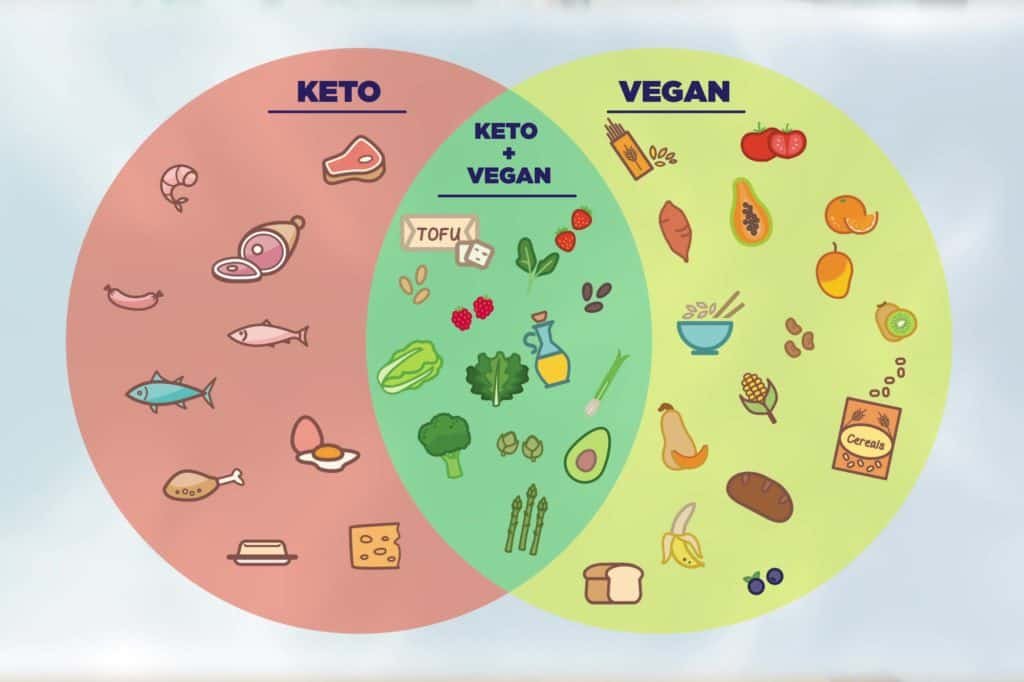
A vegan keto diet merges two nutritional philosophies:
- Veganism: Eliminates all animal-derived products — meat, dairy, eggs, and honey.
- Ketogenic diet: Focuses on extremely low carbohydrate intake (usually under 50g net carbs per day) and high fat intake to push the body into ketosis, a metabolic state where fat becomes the primary fuel source.
Combining them requires a careful approach to ensure adequate protein, fat, vitamins, and minerals without relying on animal products or high-carb plant foods like grains and legumes.
Harvard Health Publishing – Ketogenic Diet Overview
⚖️ The Science Behind Vegan Keto
The vegan keto diet is based on metabolic adaptation. By limiting carbs, your body switches from glucose to ketones (made from fat) for energy. Research shows ketosis can support:
- Improved energy stability
- Better mental clarity and focus
- Reduced inflammation
- Improved blood sugar control
Meanwhile, a vegan approach offers benefits like lower cholesterol, reduced environmental impact, and increased fiber and antioxidant intake (from non-starchy vegetables).
The key lies in balancing macros so you can stay in ketosis while meeting your plant-based nutrient needs.
🥦 Macros on the Vegan Keto Diet
A typical vegan keto diet macro breakdown looks like this:
- 70–75% of calories from fat
- 20–25% from protein
- 5–10% from net carbohydrates
Best Fat Sources
Since animal fats are off-limits, plant-based fats become your best friend:
- Avocados and avocado oil
- Coconut oil and coconut butter
- Olive oil
- Nuts and seeds (almonds, macadamia, chia, hemp, flax)
- Nut butters (almond, macadamia, sunflower seed)
Protein Sources
Finding sufficient low-carb vegan protein is a common challenge, but these options make it easier:
- Tofu and tempeh
- Seitan (if gluten-tolerant)
- Hemp seeds
- Pea protein powder
- Vegan protein blends (pea, brown rice, pumpkin seed)
Carbohydrate Sources
Limit carbs to 20–50g net carbs daily, focusing on:
- Leafy greens (spinach, kale, arugula)
- Cruciferous veggies (broccoli, cauliflower, cabbage)
- Zucchini, mushrooms, asparagus, cucumber
- Small servings of berries (raspberries, blackberries)
🧠 Why Choose a Vegan Keto Diet?
People adopt a vegan keto diet for many reasons:
- Sustainable weight management: The high-fat, moderate-protein structure helps stabilize appetite.
- Metabolic health: May improve insulin sensitivity and lower triglycerides.
- Reduced inflammation: Plant-based fats and antioxidants may counter inflammation linked to stress and poor diet.
- Ethical or environmental values: Aligns with eco-conscious eating and cruelty-free lifestyles.
- Cognitive performance: Ketones provide steady fuel for the brain, reducing “mental fog.”
Emerging 2024–2025 research also explores how plant-based keto can influence longevity and gut microbiome health — showing promising results in balancing inflammation and promoting metabolic resilience.
🍽️ Sample Vegan Keto Meal Plan (1 Day)
Here’s how a balanced day might look on the vegan keto diet:
🥣 Breakfast:
Chia pudding with coconut milk, topped with hemp hearts and a few raspberries.
- Rich in omega-3 fats and fiber
- Keeps you full for hours
🥗 Lunch:
Zucchini noodles with avocado pesto and grilled tempeh
- High in healthy fats and plant-based protein
- Low in carbs but nutrient-dense
🥑 Snack:
Celery sticks with almond butter or a handful of macadamia nuts
🍛 Dinner:
Cauliflower rice stir-fry with tofu, broccoli, and sesame oil
- Ketogenic-friendly veggies
- Provides balanced amino acids
☕ Beverage:
Bulletproof-style coffee or tea — blend black coffee with MCT oil and a splash of coconut cream.
⚠️ Challenges of the Vegan Keto Diet (and How to Fix Them)
1. Low Protein Intake
Without eggs, meat, or dairy, it’s easy to fall short on protein.
✅ Fix: Use tofu, tempeh, and plant protein powders daily.
2. Micronutrient Deficiency
Risk for B12, iron, zinc, and omega-3 deficiency.
✅ Fix: Supplement with:
- Vitamin B12 (methylcobalamin form)
- Algae-based omega-3 (DHA + EPA)
- Iron + Vitamin C combination for better absorption
3. Digestive Adjustments
Some may experience digestive shifts when increasing fat intake.
✅ Fix: Gradually raise fat consumption and include fermented foods like sauerkraut or vegan kimchi for gut balance.
4. Maintaining Ketosis
Hidden carbs can easily kick you out of ketosis.
✅ Fix: Use a ketone testing device (breath or blood) to track progress and stay within limits.
🧩 Supplements That Support a Vegan Keto Diet
To ensure nutrient adequacy and metabolic balance:
- Electrolytes (magnesium, potassium, sodium): Prevent “keto flu.”
- Vitamin D3 (vegan lichen-based): Supports immunity and mood.
- MCT Oil: Boosts ketone production and mental focus.
- Digestive Enzymes: Help absorb plant-based fats and proteins effectively.
🌿 Vegan Keto and Gut Health
A well-designed vegan keto diet can support gut microbiome balance by reducing sugar, refined carbs, and inflammatory fats. However, too little fiber can hurt gut health if vegetable intake is too low.
✅ Tip: Include low-carb, high-fiber foods like chia seeds, flaxseeds, avocados, and leafy greens to nourish beneficial gut bacteria.
New studies in 2025 also suggest that combining prebiotic fibers with a ketogenic base may improve serotonin production and stress resilience — further enhancing mental wellbeing.
💪 Vegan Keto for Fitness and Performance
Many athletes worry about energy levels on keto. But once adapted, a vegan keto diet can actually improve endurance by teaching your body to efficiently burn fat.
For strength training:
- Prioritize timed carb intake (small berry or vegetable-based carbs post-workout).
- Use vegan protein shakes to rebuild muscle.
- Stay hydrated — ketones can increase water loss.
🧠 Mental Clarity and Cognitive Benefits
Ketones are a more stable energy source for the brain compared to glucose. Combined with antioxidants from plants, a vegan keto diet may:
- Enhance focus
- Improve memory performance
- Reduce anxiety and mood swings
Incorporating adaptogenic herbs (like ashwagandha or rhodiola) can further support stress resilience while maintaining mental clarity.
🌍 Sustainability of the Vegan Keto Diet
From an environmental perspective, the vegan keto diet can significantly reduce your carbon footprint compared to traditional keto. However, sustainability depends on whole-food choices rather than overprocessed keto products.
✅ Choose local produce, avoid palm oil-heavy products, and focus on organic, low-impact fats like olive oil and hemp seeds.
🧘 Lifestyle Tips to Stay Consistent
- Plan ahead: Batch-cook meals and snacks.
- Track macros: Use apps like Cronometer or Carb Manager.
- Stay hydrated: Keto increases electrolyte loss.
- Prioritize sleep and stress management: Both influence metabolic balance.
- Be flexible: Allow yourself to adjust — it’s progress, not perfection.
❓ Frequently Asked Questions (FAQ)
1. Can you build muscle on a vegan keto diet?
Yes — but you must prioritize protein intake through tofu, tempeh, seitan, and vegan protein powders. Focus on strength training and time your meals around workouts.
2. Is the vegan keto diet safe long-term?
For most people, yes, when well-planned. However, regular nutrient testing (B12, iron, vitamin D, and omega-3) is essential to prevent deficiencies.
3. Can I lose weight on a vegan keto diet?
Absolutely. Many experience sustainable weight loss due to reduced appetite and stable blood sugar levels.
4. Are fruits allowed on vegan keto?
Only low-carb fruits like raspberries, blackberries, and small portions of strawberries — all high in fiber and antioxidants.
5. What are the best snacks for a vegan keto diet?
Try roasted seaweed, olives, macadamia nuts, avocado boats, or coconut fat bombs for quick energy.
🧾 Conclusion: The Future of Vegan Keto
The vegan keto diet represents a powerful shift toward mindful, sustainable, and high-performance nutrition. It’s not about deprivation — it’s about learning how to nourish your body efficiently while staying aligned with your ethical and health goals.
In 2025 and beyond, this hybrid eating style continues to gain traction for its flexibility, mental clarity, and metabolic benefits. Whether your goal is longevity, better focus, or balanced energy — a vegan keto diet can deliver, as long as it’s approached with awareness and planning.