
Introduction: Why Understanding Your Chronotype Matters
Have you ever wondered why you feel more productive at night while others wake up at dawn full of energy? The answer lies in your chronotype — your body’s natural sleep and wake rhythm.
Understanding your chronotype sleep pattern can help you unlock higher productivity, better mood, and deeper rest.
Chronotypes aren’t just a trendy sleep topic; they’re deeply rooted in circadian biology, the science of our internal body clocks. Dr. Michael Breus, a clinical psychologist and sleep expert, categorized people into four main chronotypes — Lion, Bear, Wolf, and Dolphin — each representing unique energy patterns and behavioral traits.
In this guide, we’ll explore these chronotypes in detail, how they influence your daily rhythm, and how you can optimize your chronotype sleep schedule to boost focus, energy, and well-being.
Bedtime Biohacking: Optimize Your Room for Deep Sleep
What Is a Chronotype?
A chronotype refers to your body’s internal timing system that determines when you naturally prefer to sleep, wake, and be active.
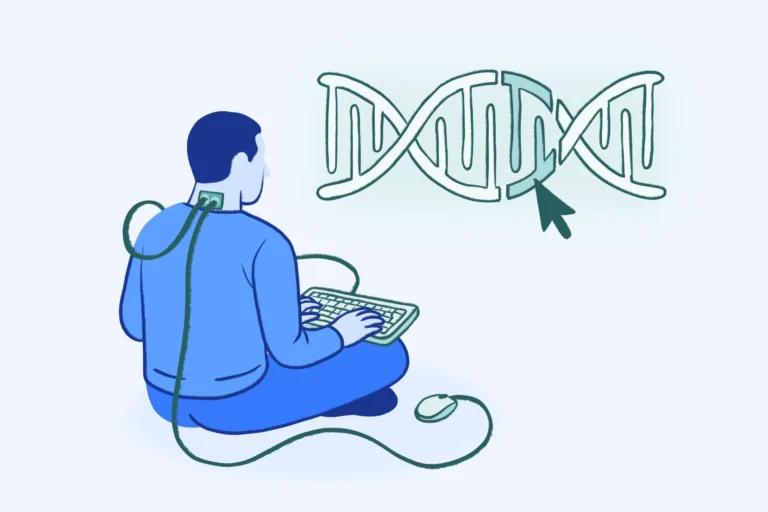
Think of it as your biological signature for time management — a genetic rhythm influenced by the PER3 gene and environmental cues like light exposure.
Unlike simple “morning person” or “night owl” labels, chronotype sleep science offers a personalized approach to optimizing daily activities based on when your body performs best.
Your chronotype influences:
- Sleep quality and timing
- Cognitive performance
- Hormonal cycles
- Eating habits and metabolism
- Mood regulation
Recognizing your chronotype sleep type can help align your lifestyle with your biology — a key factor for improving both mental and physical health.
Harvard Medical School — The Science of Sleep and Chronotypes
The Four Chronotypes: Which One Are You?
🦁 1. The Lion (Early Riser)
Lions are the go-getters of the world — energetic in the early morning but fading by early evening.
Traits:
- Wake up naturally between 5–6:30 AM
- Most productive before noon
- Prefer to go to bed early, around 9–10 PM
- Thrive on routine and structure
Chronotype sleep tip for Lions:
Schedule demanding tasks early in the day. Avoid caffeine after 2 PM and aim for relaxing activities in the evening to maintain a consistent rhythm.
Best diet:
A high-protein breakfast helps sustain energy throughout their early start.
🐻 2. The Bear (The Balanced Sleeper)
The Bear chronotype is the most common, representing about 50% of the population. Bears’ sleep-wake cycles naturally align with the sun.
Traits:
- Wake up around 7–8 AM
- Energy peaks late morning to early afternoon
- Experience a post-lunch slump
- Sleep around 11 PM
Chronotype sleep optimization for Bears:
Bears should match their work or study hours with daylight exposure. Exercise in the morning and take short breaks after lunch to combat afternoon fatigue.
Best diet:
Balanced meals with complex carbs and healthy fats help sustain stable energy levels.
🐺 3. The Wolf (Night Owl)
Wolves are the creative night thinkers who struggle with early mornings but shine after sunset.
Traits:
- Difficulty waking up before 9 AM
- Peak creativity and productivity between 4 PM and midnight
- Prone to irregular sleep schedules
- Often skip breakfast
Chronotype sleep advice for Wolves:
Try to set a consistent bedtime (around midnight) and use light therapy or morning walks to reset your circadian rhythm.
If possible, schedule work or creative projects later in the day when energy naturally peaks.
Best diet:
Focus on protein-rich breakfasts (even if late) and avoid heavy late-night meals to support restorative chronotype sleep.
🐬 4. The Dolphin (The Sensitive Sleeper)
Dolphins represent light sleepers and perfectionists — often battling insomnia or anxiety around sleep.
Traits:
- Irregular sleep patterns
- Alertness peaks mid-morning
- Overthinkers prone to stress-related sleep issues
- Rarely feel fully rested
Chronotype sleep strategy for Dolphins:
Prioritize relaxation techniques such as mindfulness, deep breathing, or progressive muscle relaxation before bed.
Stick to a consistent bedtime routine, even on weekends, to reduce mental restlessness.
Best diet:
Include magnesium-rich foods (like almonds or spinach) and avoid caffeine after noon to promote better sleep onset.
Chronotype Sleep Science: What the Research Says
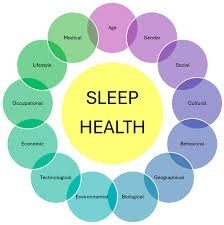
Recent studies have revealed that our chronotypes are influenced not just by genes, but also by age, light exposure, and lifestyle.
For instance:
- Teenagers naturally shift toward the Wolf chronotype.
- Older adults tend to transition to Lion-like sleep schedules.
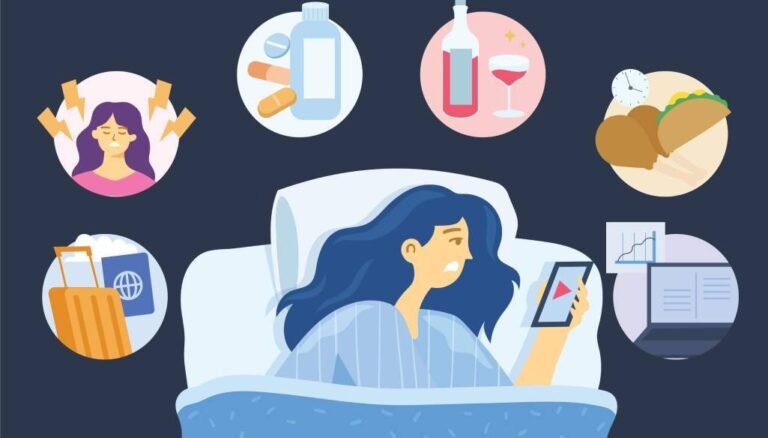
- Artificial light exposure and blue light from screens can distort natural rhythms, leading to misaligned sleep cycles.
Research published in the journal Sleep Medicine Reviews (2024) confirmed that aligning daily activities with your chronotype can improve sleep efficiency, mental health, and even metabolic health.
So, if you’ve been struggling to wake up early despite effort, it’s not laziness — it’s biology. Working with your chronotype sleep pattern, not against it, can be transformative.
How to Discover Your Chronotype
You can identify your chronotype through:
- Self-assessment tests — The official MEQ (Morningness–Eveningness Questionnaire) or The Power of When Quiz by Dr. Michael Breus.
- Sleep tracking apps — Tools like Oura Ring, Fitbit, or Sleep Cycle can reveal patterns in your chronotype sleep rhythm.
- Observation — Note your peak focus times, natural waking hour, and when you feel most tired.
Once you determine your chronotype, you can redesign your daily schedule — from work hours to meal timing — to match your body clock.
Optimizing Your Day Based on Your Chronotype
| Chronotype | Ideal Wake Time | Peak Productivity | Best Time to Exercise | Optimal Sleep Time |
|---|---|---|---|---|
| Lion | 5–6:30 AM | 8–12 AM | Morning | 9–10 PM |
| Bear | 7–8 AM | 10 AM–2 PM | Early afternoon | 10:30–11 PM |
| Wolf | 8–9 AM | 4–10 PM | Evening | 12–1 AM |
| Dolphin | 6:30–7:30 AM | 9–11 AM | Midday | 11:30 PM–12:30 AM |
Adjusting your schedule this way helps you maximize energy during your body’s natural peak times and improve chronotype sleep quality.
Lifestyle Tips to Improve Chronotype Sleep Quality
🌤️ 1. Morning Light Exposure
Spend at least 15–30 minutes in natural sunlight within the first hour of waking. It regulates melatonin, helping reset your circadian rhythm.
🧘 2. Stress Management
Chronic stress disrupts sleep hormones. Incorporate meditation, journaling, or yoga to calm your nervous system and balance your chronotype sleep cycle.
📵 3. Digital Detox Before Bed
Blue light from screens suppresses melatonin production. Switch to night mode or avoid screens at least one hour before sleep.
🥦 4. Eat According to Your Chronotype
Timing your meals based on your chronotype sleep type can enhance digestion and metabolism.
For instance:
- Lions: Eat early dinners
- Bears: Eat balanced midday meals
- Wolves: Light evening meals
- Dolphins: Avoid caffeine and large late-night snacks
💤 5. Keep a Consistent Sleep Schedule
Irregular sleep times confuse your body clock. Even on weekends, stick within a one-hour window of your usual bedtime and wake time.
Chronotypes and Mental Health
Emerging research suggests a strong link between chronotype sleep patterns and mental well-being.
Night-oriented types (like Wolves) may experience higher risks of depression and anxiety, likely due to social jet lag — a mismatch between personal rhythms and societal schedules.
Adapting work and study hours to fit your natural rhythm can:
- Reduce mood swings
- Improve emotional regulation
- Enhance cognitive function
Aligning with your chronotype isn’t just about sleep — it’s about holistic mental health optimization.
Chronotypes in the Workplace
With the rise of remote work and flexible schedules, more organizations are exploring how chronotypes can boost productivity.
For instance:
- Morning meetings benefit Lions and Bears
- Creative brainstorming sessions work best for Wolves in the evening
- Flexible schedules reduce burnout in Dolphins
Companies that acknowledge chronotype sleep preferences are seeing higher job satisfaction and efficiency.
Chronotype Sleep and Fitness
Even your exercise timing matters.
- Lions perform best in early morning workouts.
- Bears excel in late-morning or early-afternoon routines.
- Wolves should exercise after 6 PM for peak strength.
- Dolphins benefit from low-impact workouts like yoga or swimming around midday.
Matching workouts with your chronotype sleep schedule enhances recovery, energy, and consistency.
FAQs About Chronotype Sleep
1. Can I change my chronotype?
While genetics play a major role, you can slightly shift your chronotype by adjusting light exposure, sleep times, and daily habits. However, forcing drastic changes often leads to fatigue.
2. Is being a night owl unhealthy?
Not necessarily. The key is to align your lifestyle with your chronotype sleep rhythm and ensure consistent, quality rest.
3. How does diet affect chronotypes?
A nutrient-rich, balanced diet supports hormone regulation and better sleep cycles. Avoid sugar, caffeine, and alcohol close to bedtime.
4. Which chronotype is the healthiest?
All chronotypes can be healthy — the difference lies in how well you synchronize your lifestyle with your biological clock.
5. What’s the best way to improve chronotype sleep naturally?
Morning sunlight, consistent bedtimes, limited screen use, and regular exercise all help strengthen your natural sleep rhythm.
Conclusion: Embrace Your Chronotype, Don’t Fight It
Understanding your chronotype sleep pattern is like discovering your body’s personal blueprint for energy and rest.
Whether you’re a Lion rising with the sun or a Wolf thriving after dark, your success depends on working with your rhythm — not against it.
By aligning your sleep, work, diet, and exercise with your unique chronotype, you can unlock deeper sleep, sharper focus, and a happier, more energized life.